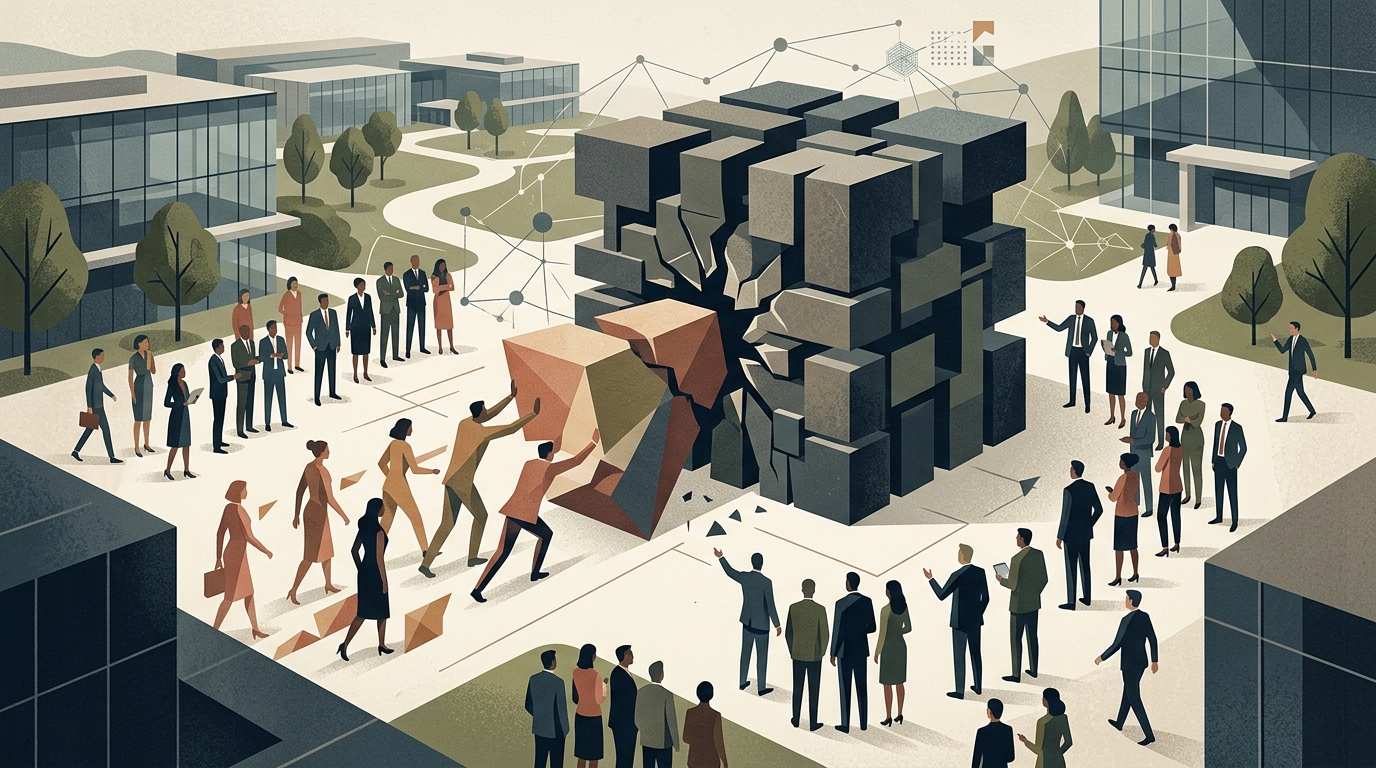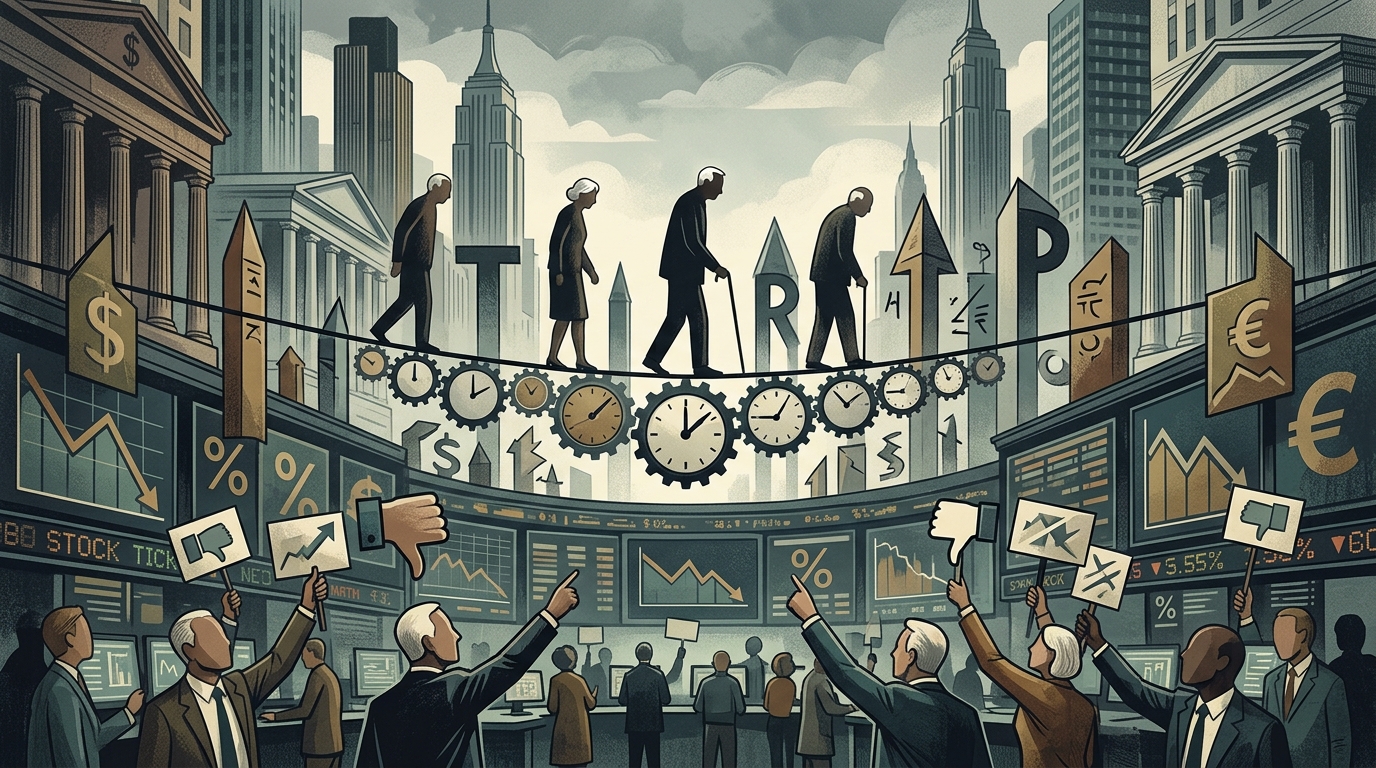
In the dawn of 2026, the narrative of the "golden retirement" feels like a distant memory from another era. The Baby Boomer generation, which once envisioned its final years filled with travel and leisure, finds itself trapped in a unique economic vice. On one hand, relentless economic reality—inflation, the housing cost crisis, and the instability of pension systems—forces them to remain in their jobs. On the other, a growing social outcry accuses them of "blocking" the path for younger generations' advancement, creating a "silver ceiling" that prevents renewal.
The Economic Necessity of Staying
The image of the 70-year-old executive or the 68-year-old clerk is no longer the exception, but the rule. The reasons are deeply structural. After a decade of economic shocks and the recent surge in the cost of living that swept away savings, many Boomers are finding that their pensions are insufficient to cover basic needs, let alone the healthcare required in old age. According to recent data, the percentage of individuals over 65 remaining active in the labor market has reached historic highs, providing a necessary boost to state tax revenues.
However, this continued employment is not always a choice. It is a survival strategy. Boomers are being called upon to support a system that is aging faster than it can be replenished. Without their contribution to the workforce, many Western economies would face an immediate collapse of their social security funds. Paradoxically, while the state needs them as taxpayers, the labor market often views them with suspicion, regarding them as obstacles to innovation.
The "Silver Ceiling" and Youth Discontent
At the same time, Millennials and Gen Z are experiencing their own desperation. They see senior management positions occupied by individuals who should have retired long ago. This stagnation in the hierarchy creates a sense of suffocation. Younger workers feel that opportunities for promotion and salary increases are limited, not due to a lack of skills, but because of the physical presence of an "old guard" that refuses—or cannot afford—to leave.
- Limited mobility: Senior positions remain occupied for an additional 5-10 years on average.
- Wage gap: A large portion of corporate payroll budgets is tied up in the high-value contracts of older staff.
- Cultural conflict: Different approaches to work-life balance and the adoption of AI create friction in the office.
This situation fuels a toxic narrative on social media and in public discourse. Boomers are targeted as the "greediest generation," accused of having enjoyed the economic boom of previous decades only to now deprive their children of a future. But is this a fair critique or a convenient scapegoat?
A Systemic Failure Masked as Intergenerational Conflict
The reality is that the conflict between generations serves as a smokescreen for the failure of economic policies over the last forty years. The problem is not the age of the workers, but the economy's inability to create enough wealth and jobs for everyone. When the pie shrinks, the diners start looking at each other's plates with hostility.
"We don't have an elderly surplus problem; we have a lack of security problem. When people fear for tomorrow, they don't quit. When young people see no future, they look for someone to blame," says labor relations analyst Dr. Alexander Markou.
Targeting Boomers ignores the fact that many of them work in low-wage service sector jobs, not just in plush offices. Furthermore, their experience is often the connective tissue that keeps businesses upright during times of crisis. The solution lies not in the forced removal of older workers, but in redesigning work to allow for coexistence and knowledge transfer.
Toward a New Social Contract
To overcome this impasse, a radical rethink of how we perceive careers and retirement is required. Companies must develop "phased retirement" models where Boomers take on advisory or mentoring roles, vacating management positions while remaining active. Simultaneously, governments must ensure that retirement is a dignified choice rather than a sentence to poverty.
At the end of the day, the economy of 2026 teaches us that intergenerational solidarity is the only way out. Targeting older workers is a short-sighted approach that ignores the fact that today's critics will be tomorrow's "old guard" in a system that continues to demand more than it offers.