In a world that seems to be perpetually balancing on the brink of a new crisis, Switzerland is once again confirming its title as the 'safe haven' of the global economy. Data for the first quarter of 2026, recently released, depicts an economy that is not just enduring but growing at rates that many of its Eurozone neighbors would envy. With a GDP increase of 0.5%, the Alpine nation has proven that its strategy of neutrality, combined with an exceptionally diversified industrial base, serves as the best antidote to geopolitical turbulence.
Resilience Against the Iran Shock
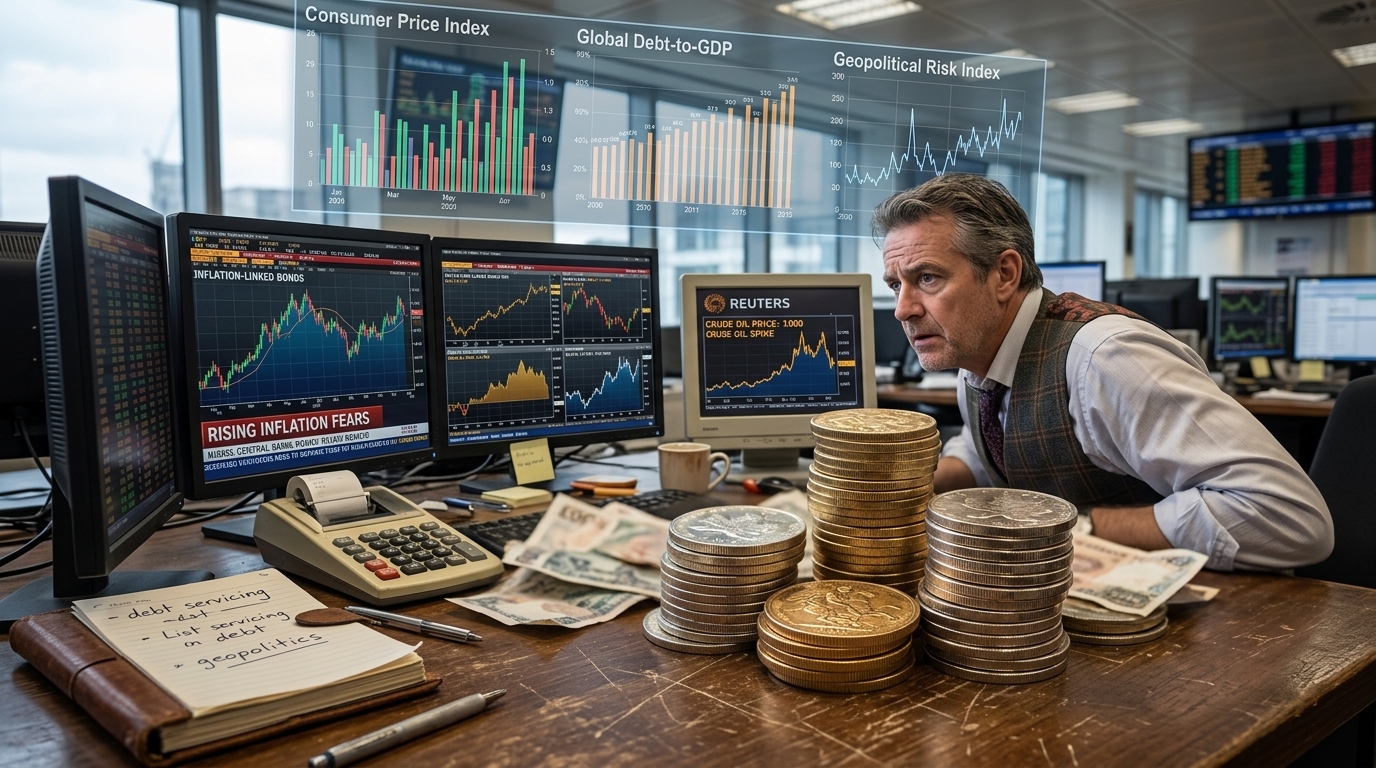
The recent escalation of tensions in the Middle East, centered on Iran, sent shivers through international markets, driving up oil prices and threatening supply chains. However, Switzerland appeared to possess the right 'shields.' Domestic energy production, largely based on hydroelectric and nuclear power, offered relative price stability for both industry and households. While Germany and France struggled with the costs of the energy transition and the impact of sanctions, Switzerland maintained an environment of low inflation and predictable costs.
Analysts point out that the Swiss economy has learned to live with a strong Franc, which acts as a buffer against imported inflation. The Swiss National Bank (SNB) has masterfully managed monetary policy, allowing the currency to strengthen just enough to curb energy prices without strangling exports.
Pharma and Services: The Pillars of Growth
The driving force behind the 0.5% growth was none other than the chemical and pharmaceutical sectors. Giants like Novartis and Roche continued to record strong sales globally, as the demand for innovative treatments remains inelastic, regardless of the economic climate. The Swiss pharmaceutical industry has shifted in recent years toward high-value biotechnology, allowing it to maintain high profit margins even in periods of increased raw material costs.
- Pharmaceutical exports increased by 3.2% year-on-year.
- Stability in the financial services sector, despite the ongoing restructuring of the banking industry.
- Recovery of luxury tourism from Asian and Middle Eastern markets.
Simultaneously, the service sector, particularly hospitality and tourism, showed remarkable momentum. The Swiss Alps remained a top destination for the global elite, who seem unaffected by broader economic pressures. Domestic consumption also stayed at healthy levels, supported by low unemployment and stable wages.
The Challenge of Long-Term Stability
Despite the success of the first quarter, Bern is not resting on its laurels. Challenges for the remainder of 2026 remain serious. A global economic slowdown could eventually affect demand for Swiss machinery and precision watches, sectors that are more sensitive to economic cycles. Furthermore, Switzerland's relations with the European Union remain an open front, with negotiations on bilateral agreements proceeding at a slow pace.
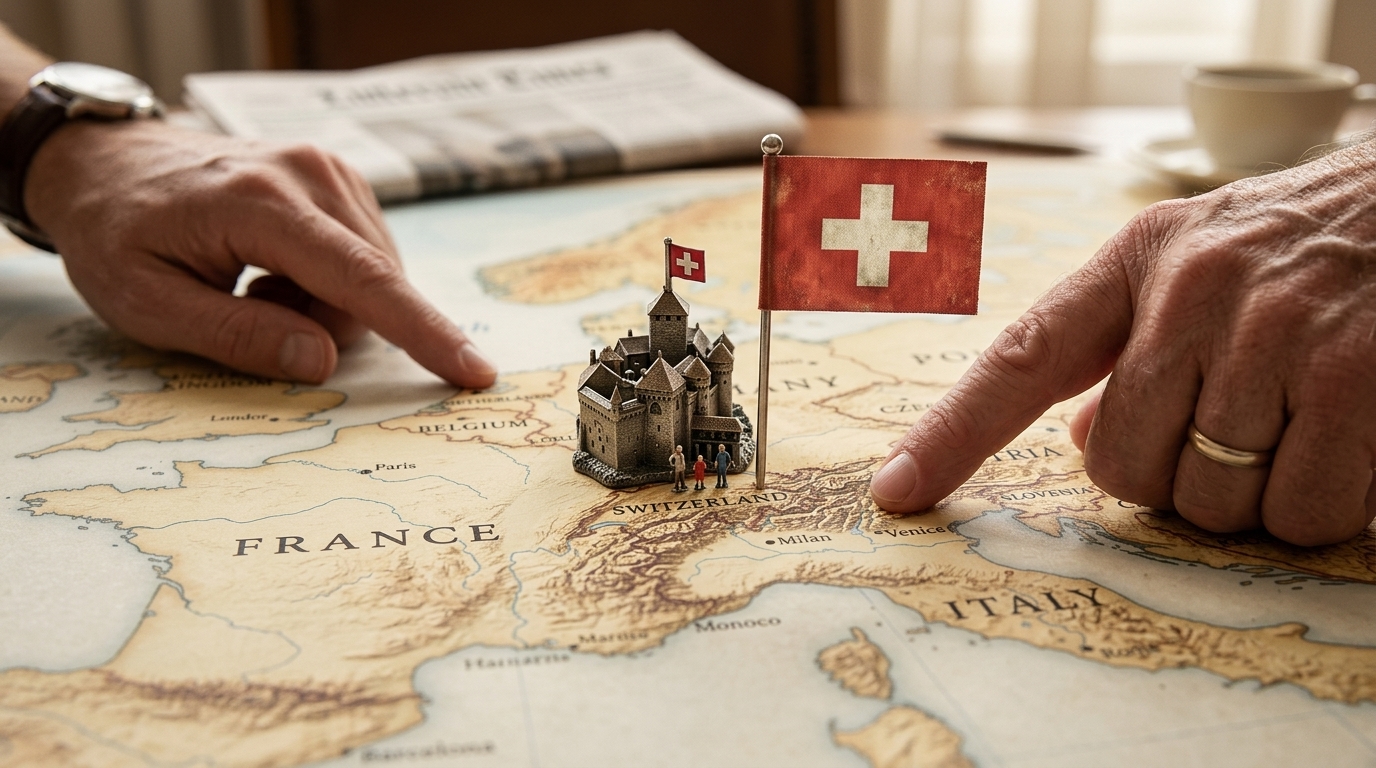
"Switzerland is not an isolated island, but a very well-fortified castle in an ocean of uncertainty," says economist Marc Brügger. "Our ability to adapt quickly is our greatest advantage."
In conclusion, the Swiss economy in 2026 serves as an example of how fiscal discipline, investment in innovation, and energy autonomy can shield a country against the most unpredictable crises. While the world watches developments in Iran and energy markets with bated breath, Switzerland continues its course with the precision of one of its famous timepieces.