In the modern history of capitalism, launching a tech startup traditionally required three things: significant capital, a team of specialized developers, and time. Today, as we move through the second quarter of 2026, this equation has been completely inverted. Artificial Intelligence (AI) is no longer just a productivity tool; it is the ultimate equalizer, lowering the barrier to entry to levels once thought impossible.
The Collapse of Technical Barriers
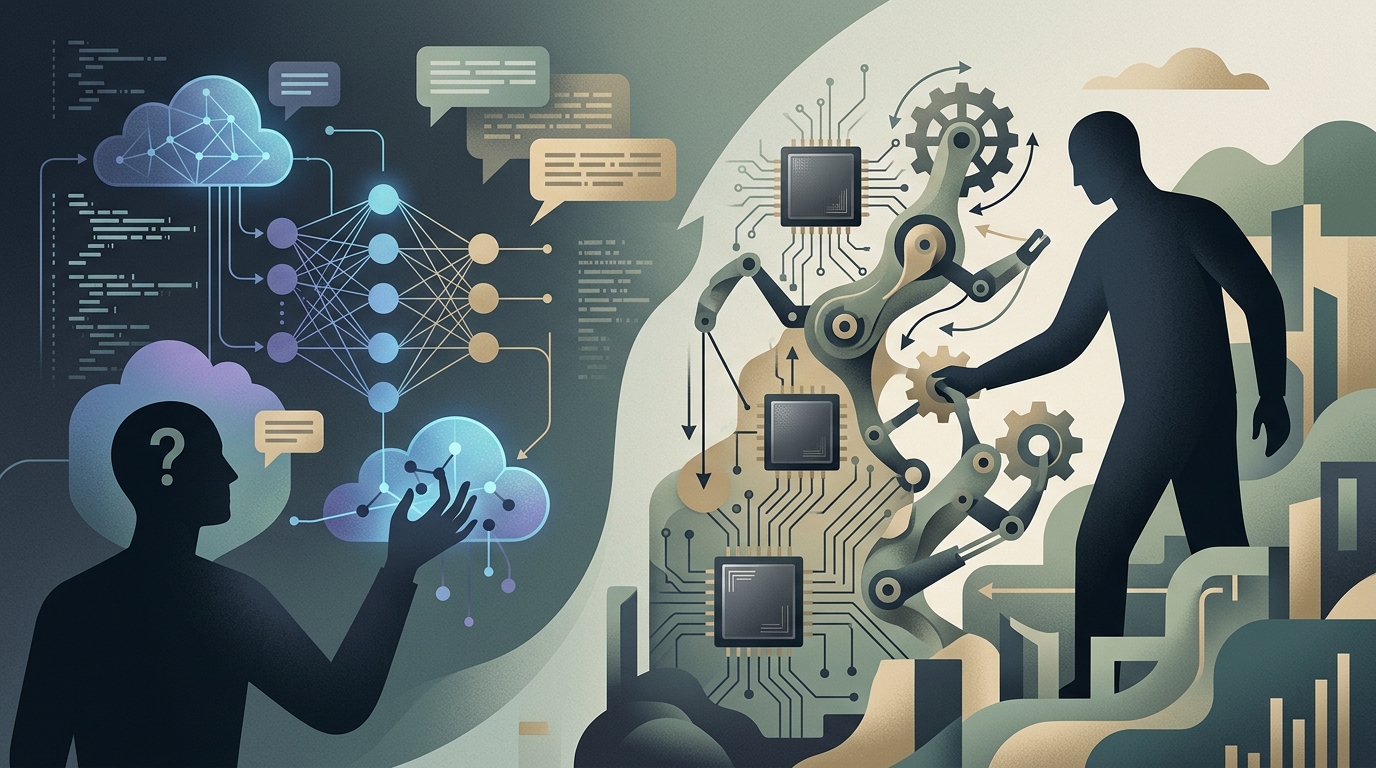
The greatest hurdle for any aspiring entrepreneur has always been "technical debt" and the sheer cost of software development. Five years ago, building a Minimum Viable Product (MVP) required months of labor and tens of thousands of dollars in salaries. With the advent of advanced AI models that code autonomously, this process has been compressed into days, if not hours. Tools powered by LLMs (Large Language Models) now allow individuals without deep programming knowledge to "dictate" the creation of complex systems, from e-commerce platforms to specialized data analytics tools.
This shift toward "Natural Language Programming" means that idea and strategy are becoming more valuable than pure technical execution. The startups of 2026 are "lean" in a way their Silicon Valley predecessors could never have imagined. The need for large backend developer teams is being replaced by AI agents that manage infrastructure, maintenance, and security in real-time.
The Rise of the Solopreneur and the Agent Economy
We are entering the era of the "One-Person Unicorn." The concept of the solopreneur has evolved. Using an army of specialized AI agents, a single individual can manage marketing, sales, customer support, and financial tracking for their business. These agents don't tire, don't require social security contributions, and learn from every interaction.
- Automated Marketing: Content creation, social media management, and ad buying based on algorithmic optimization.
- Dynamic Support: Chatbots that don't just answer questions but solve complex user problems with empathy.
- Legal and Compliance: AI tools that draft contracts and ensure compliance with GDPR and other regulations automatically.
This efficiency allows new businesses to remain profitable from day one, reducing their dependence on Venture Capital (VC). When operational costs are near zero, the need for external funding ceases to be imperative, giving founders full control over their vision.
The Challenge of the "Moat" and Hyper-competition
However, this democratization brings a new challenge: the paradox of abundance. If anyone can start a company with the help of AI, then competition becomes explosive. The traditional "moat"—the competitive advantage that protects a business—can no longer be the technology itself, as technology is now accessible to everyone.
"In a world where product creation is free, trust, community, and authenticity become the only scarce goods."
Entrepreneurs are now called to focus on branding, personal connection with the customer, and solving highly specialized problems (niche markets) that general AI cannot yet adequately cover. The battle shifts from who has the best code to who has the best understanding of human needs.
Global Economic Implications
This trend is expected to redistribute economic power. Countries with limited access to large capital pools, such as Greece or other developing economies, now have the opportunity to showcase innovative solutions on the global stage without their founders needing to move to Palo Alto. The "geography of innovation" is becoming flatter. Nevertheless, dependence on large AI model providers (like OpenAI, Google, or Microsoft) remains a risk, as these giants control the "raw materials" of the new economy.
In conclusion, AI is not just lowering the threshold for startups; it is redefining what it means to be an entrepreneur. The era of giant, cumbersome corporate structures is giving way to an ecosystem of small, agile, and highly intelligent units that can change the world from a laptop.