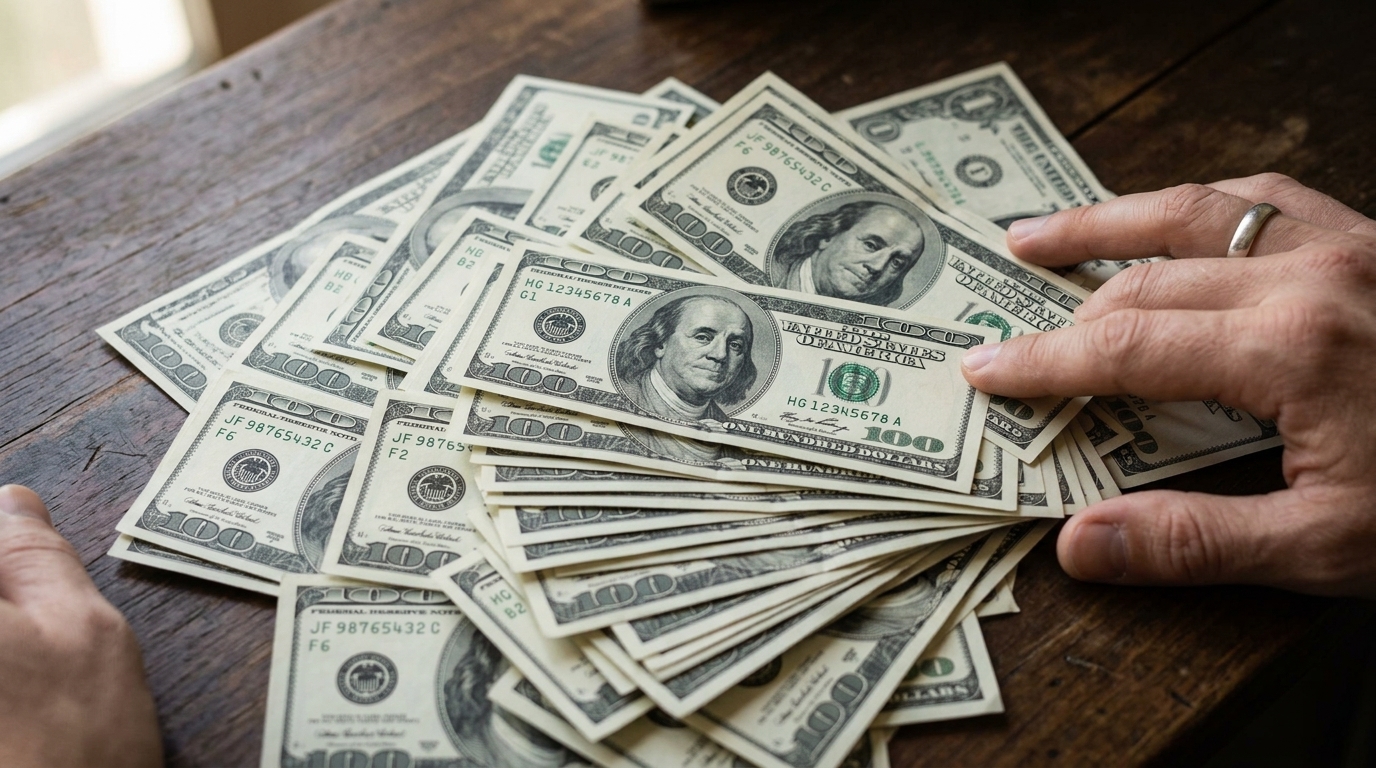
The global economic chessboard is experiencing a significant tremor as the U.S. dollar regains its dominance, fueled by the latest inflation data from the United States. The figures for April, recently released, left little room for misinterpretation: price increases accelerated at their fastest pace in months, dashing analysts' hopes for an imminent easing of monetary policy by the Federal Reserve (Fed).
Inflation Persistence and the Fed's Reaction
The rise in the Consumer Price Index (CPI) in April acted as a catalyst for a massive investor shift toward the American currency. While markets were anticipating a gradual deceleration that would allow Jerome Powell to initiate interest rate cuts by the summer, reality proved otherwise. 'Sticky' inflation, particularly in the services and housing sectors, indicates that the U.S. economy remains overheated.
This development reinforces the 'higher for longer' scenario—maintaining high interest rates for an extended period. When U.S. rates remain elevated, dollar-denominated assets become more attractive to international investors seeking higher yields, leading to an appreciation of the currency against the Euro, Yen, and Pound Sterling.
The Dilemma for the Eurozone and the ECB
For Europe, a strengthening dollar is a double-edged sword. On one hand, a weaker Euro can bolster exports by making European goods cheaper in international markets. On the other hand, it imports inflation. Since oil and many primary commodities are priced in dollars, a falling Euro increases import costs, undermining Christine Lagarde's efforts to tame inflation on the Old Continent.
- Energy Costs: The dollar's rise directly increases the price of gasoline and natural gas in Europe.
- Monetary Divergence: The ECB faces the dilemma of whether to cut rates to support weak growth, risking further Euro depreciation.
- Bond Markets: U.S. Treasury yields are pulling global borrowing costs upward.
Geopolitical Instability and the Dollar as a Safe Haven
Beyond purely economic data, the dollar benefits from its status as a 'safe haven.' In a period of heightened geopolitical tension, investors tend to abandon riskier assets and turn to the security of the U.S. currency. Uncertainty regarding West-China trade relations and ongoing conflicts on Europe's periphery bolster this trend.
"The dollar is not just a currency; it is the thermometer of global anxiety. As long as U.S. inflation refuses to retreat, the rest of the world will be forced to pay the price," note Wall Street analysts.
Outlooks for the Second Half of 2026
Current dynamics suggest that dollar dominance could persist throughout the year. If data in the coming months does not show a clear trend of disinflation, the Fed might not proceed with any rate cuts within 2026, which would be a blow to emerging markets laden with dollar-denominated debt. The global economy remains tethered to decisions made in Washington, reminding everyone that despite discussions of de-dollarization, the greenback remains the undisputed hegemon of the financial system.