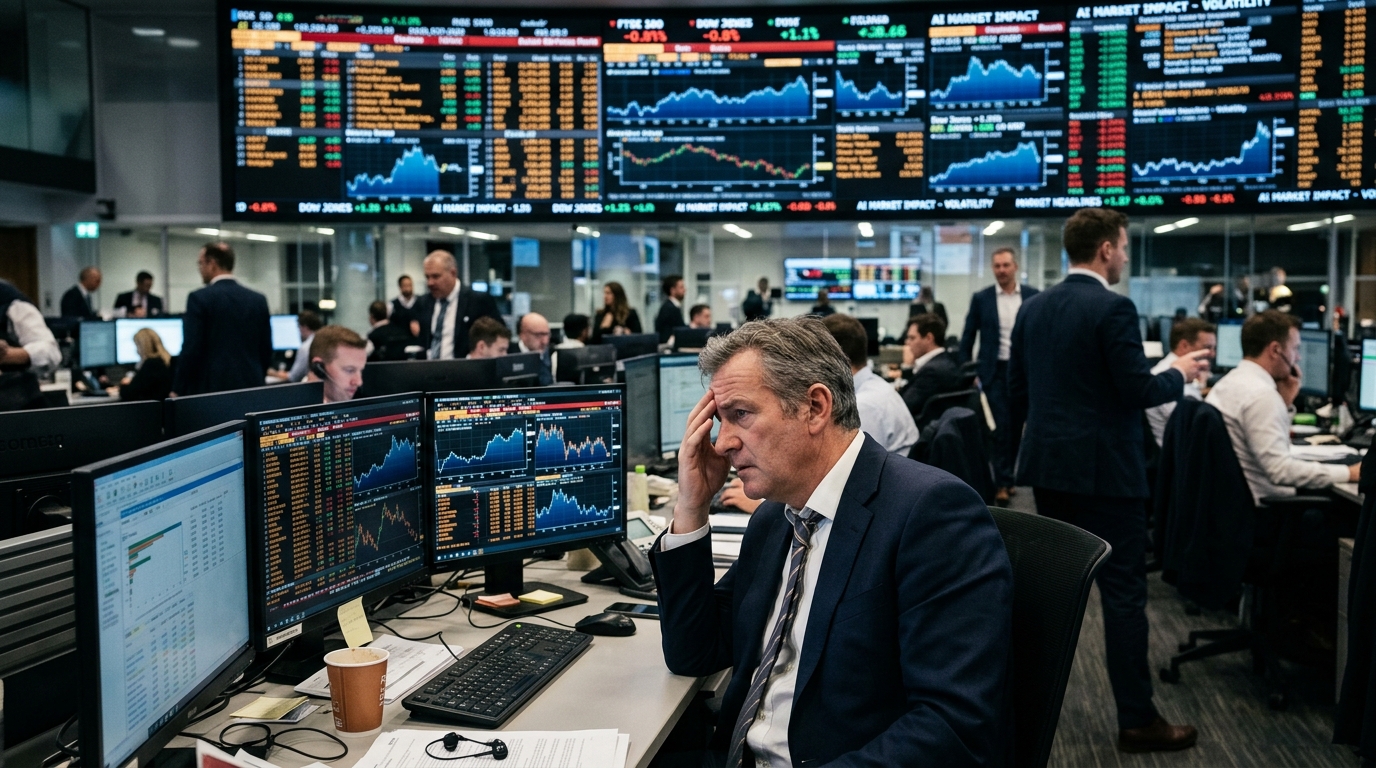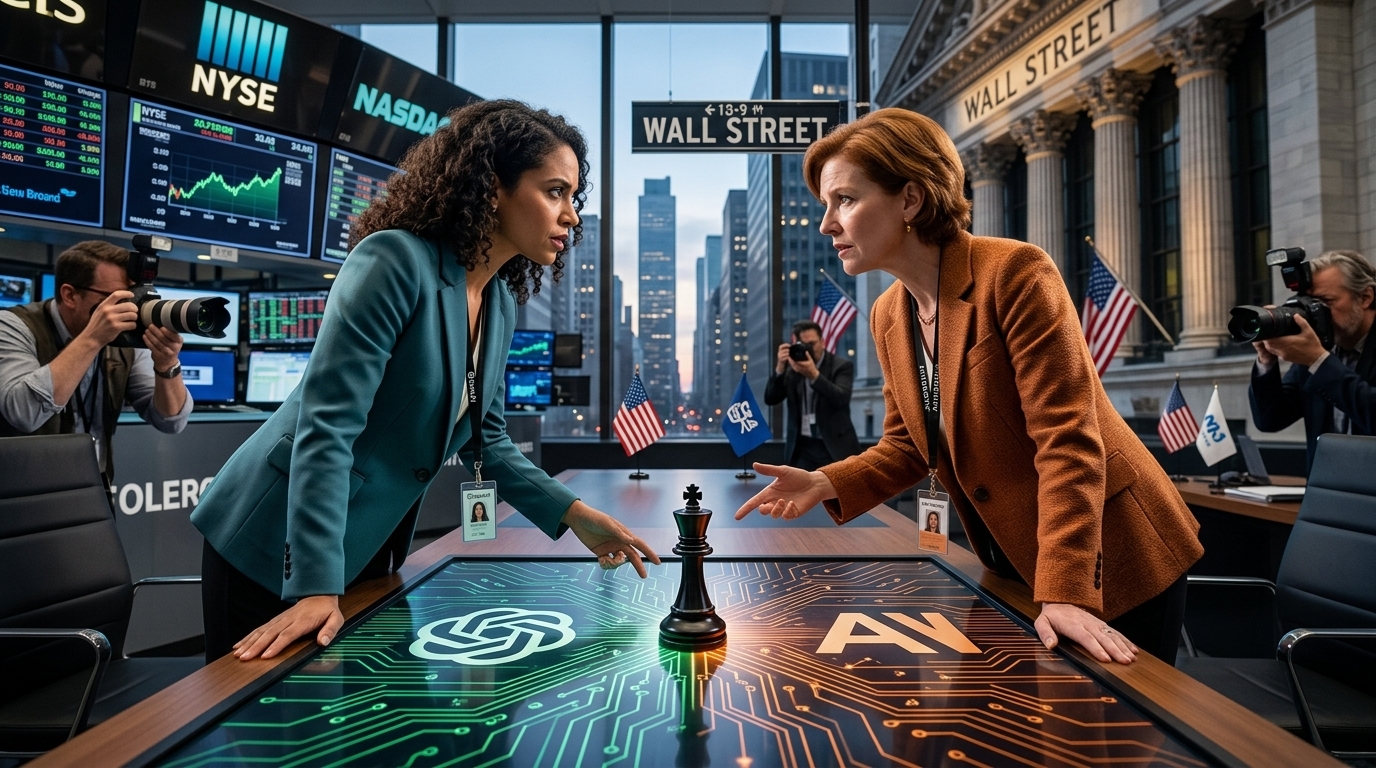
As we navigate the middle of 2026, the artificial intelligence landscape has definitively shifted from the idealistic fervor of research labs to the cold, hard reality of financial balance sheets. The confrontation between OpenAI and Anthropic is no longer just a race to unveil the most sophisticated large language model; it is a strategic war for dominance in the public markets. According to a recent analysis by the Wall Street Journal, the outcome of this rivalry will dictate the industry's trajectory for the next decade.
The Pivot from Research to Revenue
For years, OpenAI, under the leadership of Sam Altman, was the undisputed "golden child" of Silicon Valley. However, Anthropic—founded by former OpenAI executives who departed over concerns regarding safety and alignment—has emerged as a formidable peer. The race toward an Initial Public Offering (IPO) represents the final stage of this evolution. Investors are no longer satisfied with vague promises of Artificial General Intelligence (AGI); they are demanding sustainable revenue streams and clear paths to profitability.
OpenAI holds the first-mover advantage and the massive institutional backing of Microsoft. Conversely, Anthropic has cultivated a reputation centered on "Constitutional AI," attracting heavyweight partners like Amazon and Google who seek a more controlled, ethical, and enterprise-ready approach to generative technology.
Governance Models and Investor Trust
One of the most critical points of friction is governance. OpenAI remains entangled in a complex structure between its non-profit roots and its capped-profit commercial arm—a setup that nearly led to a total board collapse in late 2023. Anthropic, operating as a Public Benefit Corporation (PBC), offers a more transparent, albeit equally challenging, framework for potential shareholders.
- OpenAI: Focused on rapid scaling and consumer-facing product integration (ChatGPT, SearchGPT).
- Anthropic: Focused on enterprise safety and reliability, targeting high-level B2B clients.
- Compute Costs: Both firms are burning billions on Nvidia hardware, making public capital markets an existential necessity.
The Wall Street Journal notes that the first company to successfully navigate an IPO will set the valuation benchmark for the entire sector. If OpenAI goes public first and its stock falters, it could freeze the market for Anthropic and dozens of other AI startups waiting in the wings.
The Strategic Weight of Technological Moats
Ultimately, technological superiority remains the deciding factor. While OpenAI dominates brand recognition, Anthropic’s Claude models have consistently demonstrated superior performance in specific reasoning and coding tasks. The IPO battle will be decided by which company can prove its model is not just a "tool" but a foundational platform upon which the global economy will be rebuilt.
"This is no longer a battle of algorithms; it is a battle of trust and capital efficiency," a WSJ analyst noted.
Global regulators, particularly in the EU, are watching closely. As the AI Act's enforcement begins, "safety"—Anthropic’s core value proposition—becomes a mandatory requirement for market access. OpenAI is forced into a high-stakes balancing act between disruptive innovation and regulatory compliance, a tension that will be scrutinized during its IPO roadshow.
Conclusion
The OpenAI vs. Anthropic saga is a mirror to the dilemmas of our age: Speed vs. Safety, Open vs. Closed systems, and Profit vs. Social Benefit. The winner of the IPO race will not only secure billions in liquidity but will also earn the right to define the rules of the AI game for the foreseeable future.