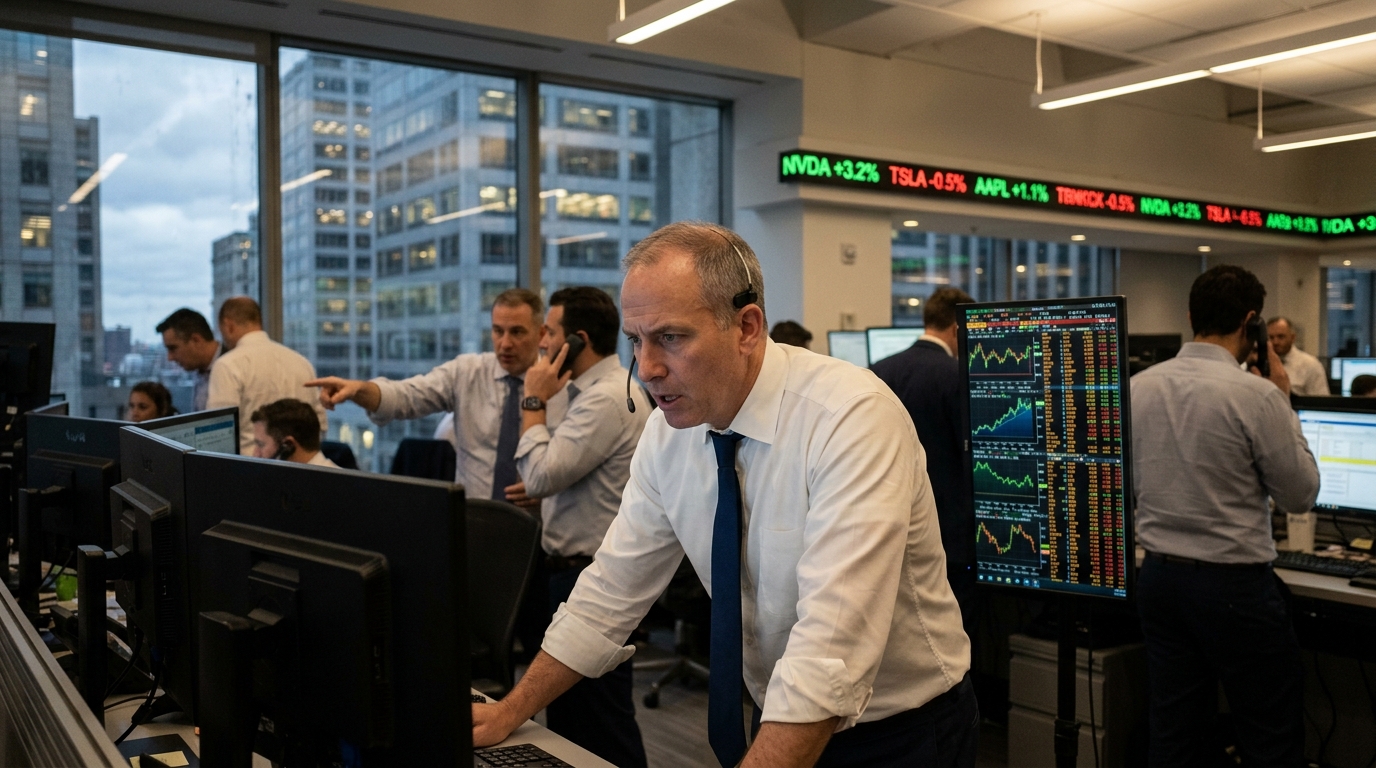
In a striking display of resilience, U.S. stock indices, led by the Nasdaq, surged significantly, defying the shadows cast by geopolitical instability in the Middle East. The recent rally, fueled by an explosive demand for semiconductors, underscores a fundamental shift in market psychology: the promise of Artificial Intelligence (AI) now appears to outweigh traditional macroeconomic and geopolitical risks.
Silicon as the New Safe Haven
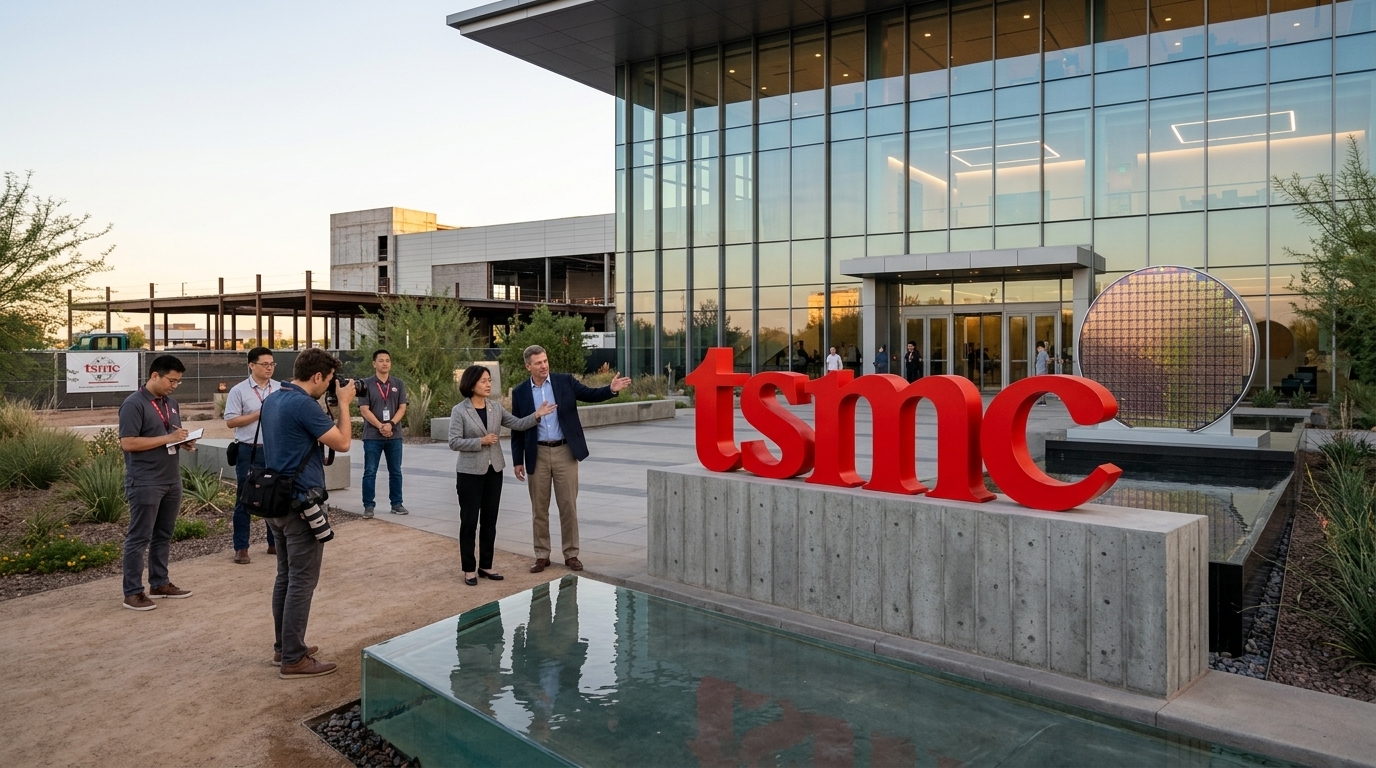
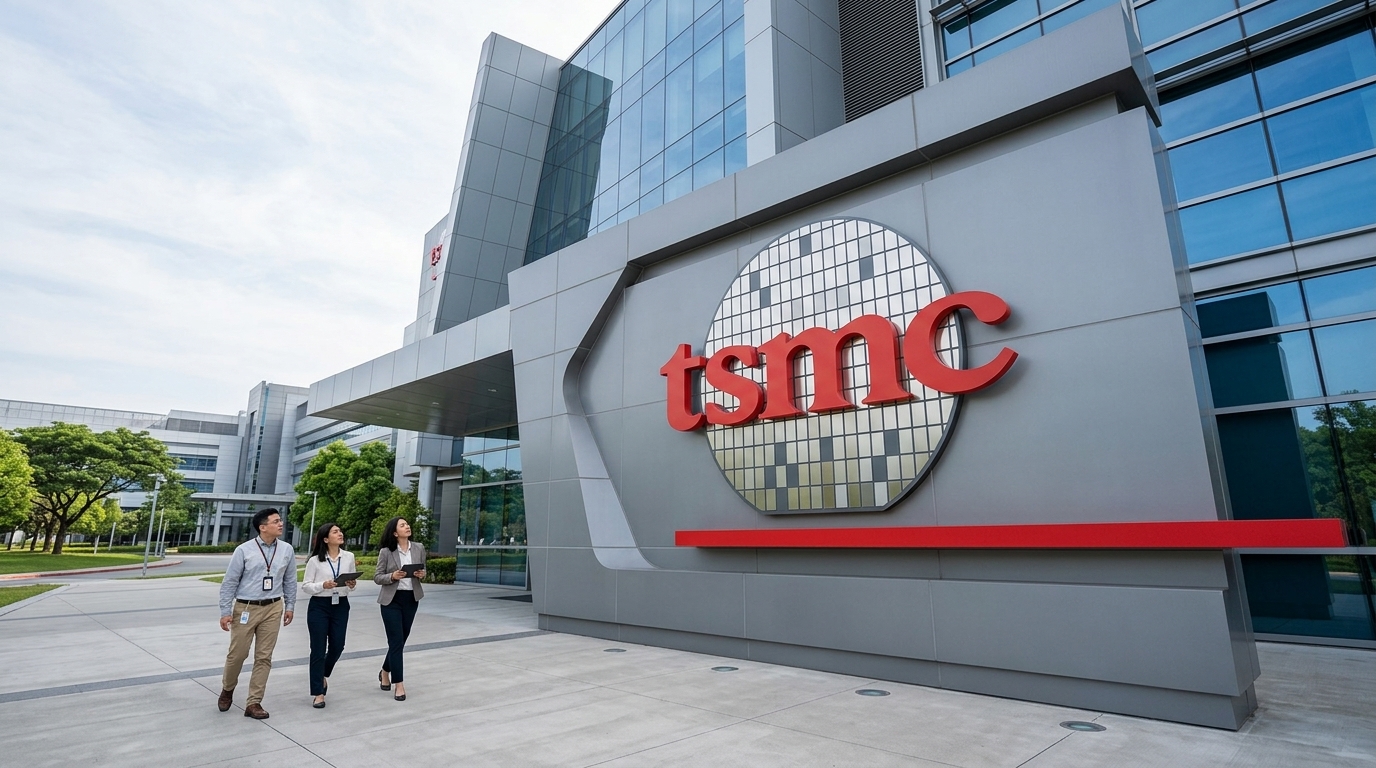
For decades, investors flocked to gold or government bonds during times of crisis involving Iran or the wider Gulf region. However, in 2026, the 'new oil' is computational power. The surge in shares of companies like Nvidia, AMD, and TSMC is not merely a speculative move but a recognition that the global economy is being restructured around silicon. Semiconductors are no longer just components; they are the backbone of national security and economic sovereignty.
The market seems to be betting that, regardless of regional conflicts, the need for AI infrastructure will remain unabated. This creates a 'decoupling' paradox, where tech giants continue their upward trajectory even as energy prices exhibit volatility due to threats in the Strait of Hormuz.
Geopolitical Instability and the Supply Chain
While the market rally offers a sense of euphoria, analysts warn that concerns regarding Iran have not vanished. A generalized conflict could disrupt maritime trade routes, affecting not only oil but also the delivery of critical raw materials for chip manufacturing. Investors, however, are focusing on short-term gains and earnings reports showing that profit margins in the AI sector remain at historic highs.
- Demand for GPUs continues to outstrip supply globally.
- Data center investments from Hyperscalers (Microsoft, Google, Meta) act as a safety net for the market.
- The Fed's cautious stance on interest rates provides a favorable environment for growth stocks.
"The market has developed a form of immunity to geopolitical news, as long as the AI engine continues to deliver tangible results," notes a leading Wall Street analyst.
Market Psychology in 2026
What we are witnessing is the maturation of the 'AI trade.' While 2023 and 2024 were characterized by hype, 2026 is the year of implementation. Companies are no longer just promising future AI profits; they are presenting tangible revenue streams. This fundamental strength allows the Nasdaq to absorb shocks from international news with an ease that would have been unthinkable a decade ago.
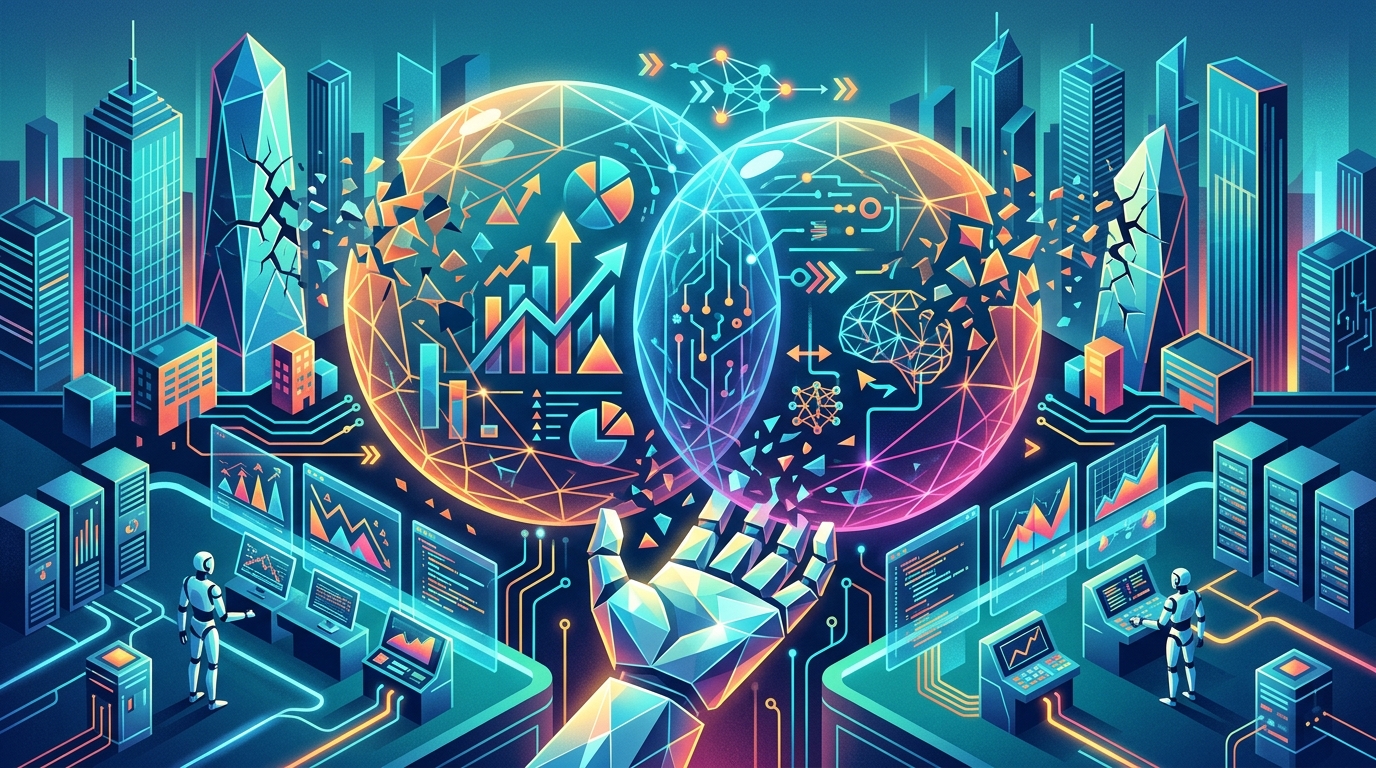
However, the risk lies in the excessive concentration of power within a few companies. If the semiconductor sector shows even the slightest downturn, the 'shield' protecting the Nasdaq could shatter, leaving the market exposed to all the geopolitical threats it currently ignores. The balance between technological optimism and geopolitical realism remains the great wager for the second half of the year.