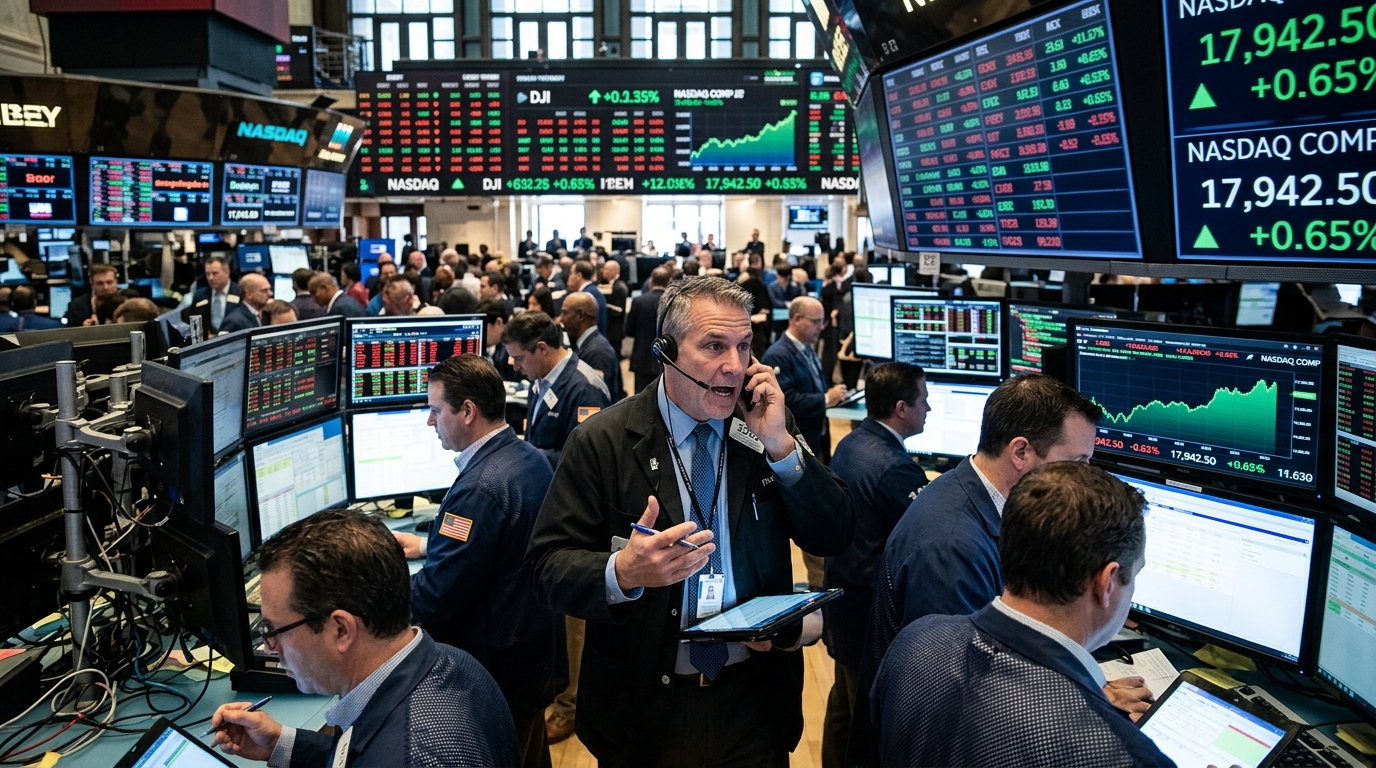
On April 27, 2026, the New York stock market feels more than ever like a wealth-generating machine powered by algorithms. The Nasdaq, the traditional barometer for tech giants, is once again approaching all-time highs, sparking a mixture of exhilaration and dread in investment circles. The central question dominating Wall Street discussions is no longer whether Artificial Intelligence (AI) will change the world—that is now taken as a given—but whether the valuations of the companies leading this charge have detached from logical reality.
The Shift from Promise to Profitability
Unlike the dot-com bubble of the early 2000s, the current surge in AI stocks is backed by tangible financial results. Companies like Nvidia, Microsoft, and Alphabet are not just selling "hope"; they are providing the infrastructure and services that are already generating billions in free cash flow. Demand for semiconductors remains at record levels as businesses worldwide scramble to integrate generative AI models into their operations to cut costs and boost productivity.
- Capital expenditures (CapEx) by Big Tech firms have increased by 40% compared to last year.
- AI adoption in the services sector has led to an average profit margin increase of 15% for S&P 500 companies.
- The energy crisis triggered by massive data centers is beginning to find solutions through new investments in nuclear and renewable energy.
However, the rapid rise in stock prices means that price-to-earnings (P/E) ratios are at levels that historically precede market corrections. For the average investor, the dilemma is whether to enter the market now, risking a potential downturn, or to stay on the sidelines and miss the next leg of growth promised by Artificial General Intelligence (AGI).
The Risks of Irrational Exuberance
Despite the euphoria, there are clouds on the horizon. Geopolitical instability, particularly regarding the semiconductor supply chain in Taiwan, remains the "black swan" that could upend everything overnight. Furthermore, regulatory bodies in the US and the European Union are becoming increasingly stringent, scrutinizing antitrust practices in data collection and model training.
"The market can remain irrational longer than you can remain solvent," John Maynard Keynes once said, and this adage rings truer than ever in the corridors of investment banks today.
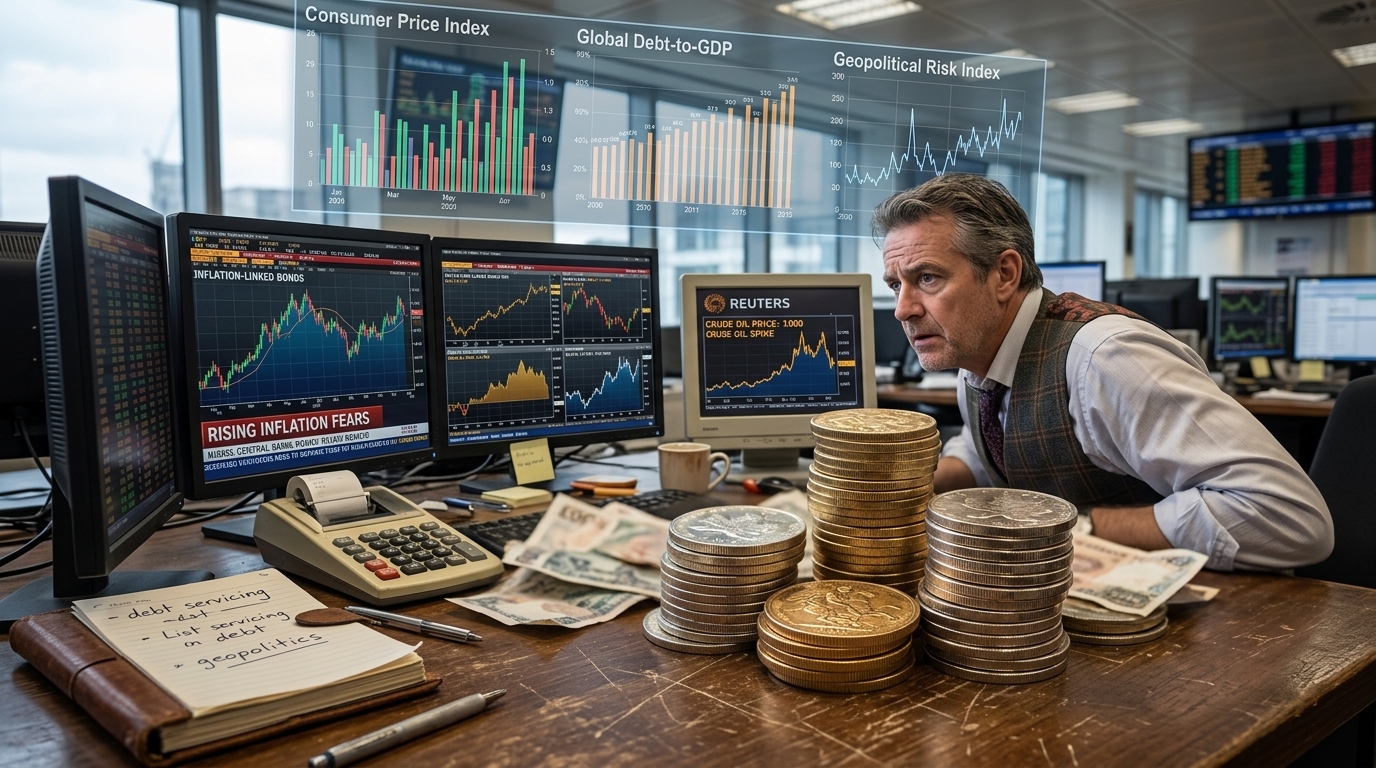
Another factor is inflation and central bank policy. If interest rates remain elevated for a longer period to tame the cost of living, the liquidity fueling growth stocks could dry up, leading to a violent repricing of assets.
Is It Too Late for the Individual Investor?
The answer depends heavily on the time horizon. If one is looking for a quick profit over the next 30 days, the risk is exceptionally high. However, for those who view AI as a structural shift in the global economy—on par with electricity or the internet—current prices might be considered "cheap" five years from now. The strategy of Dollar Cost Averaging (DCA), involving the gradual investment of fixed amounts at regular intervals, appears to be the most prudent approach to mitigate volatility.
In conclusion, while the Nasdaq may be at record highs, the engine of innovation shows no signs of fatigue. The challenge for 2026 is not just to find "the next Nvidia," but to identify which companies in traditional sectors will leverage AI to dominate their respective markets, turning technology into real economic value.