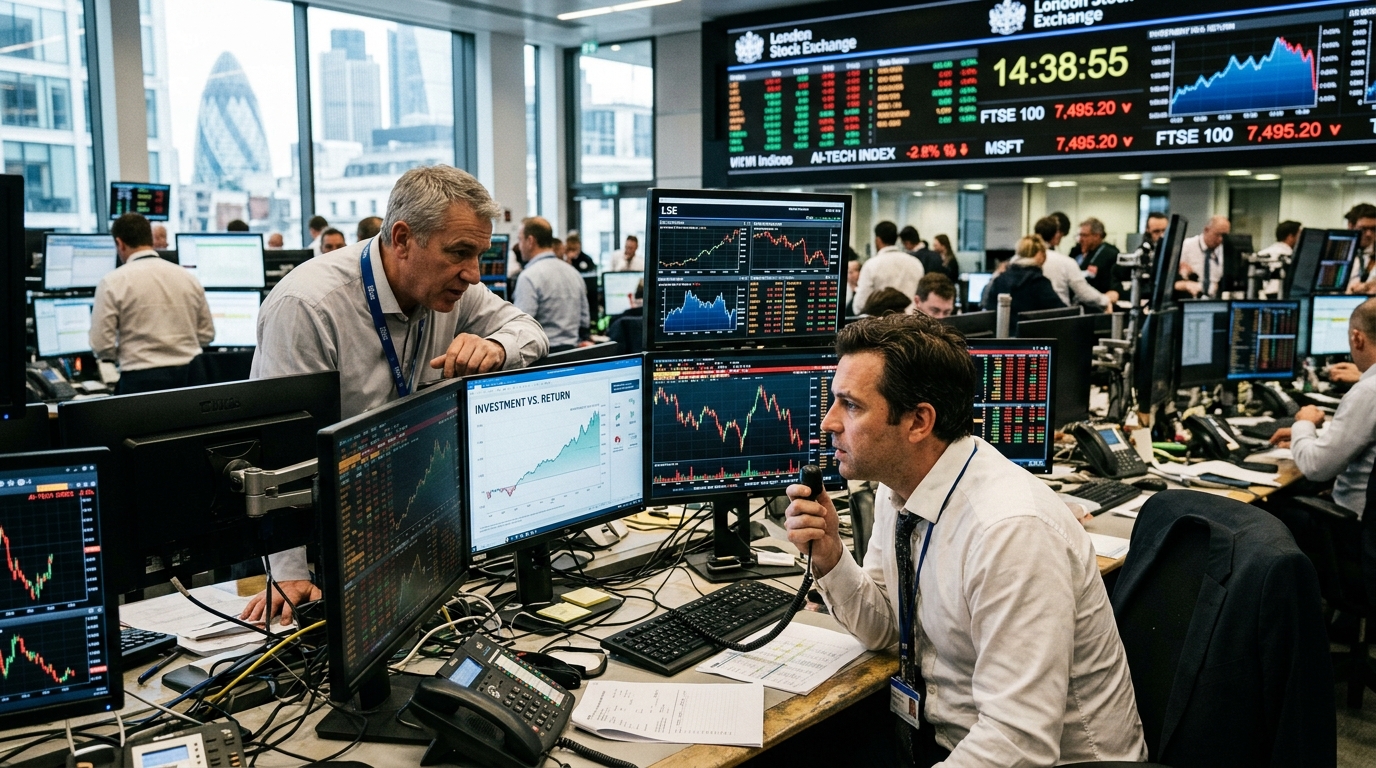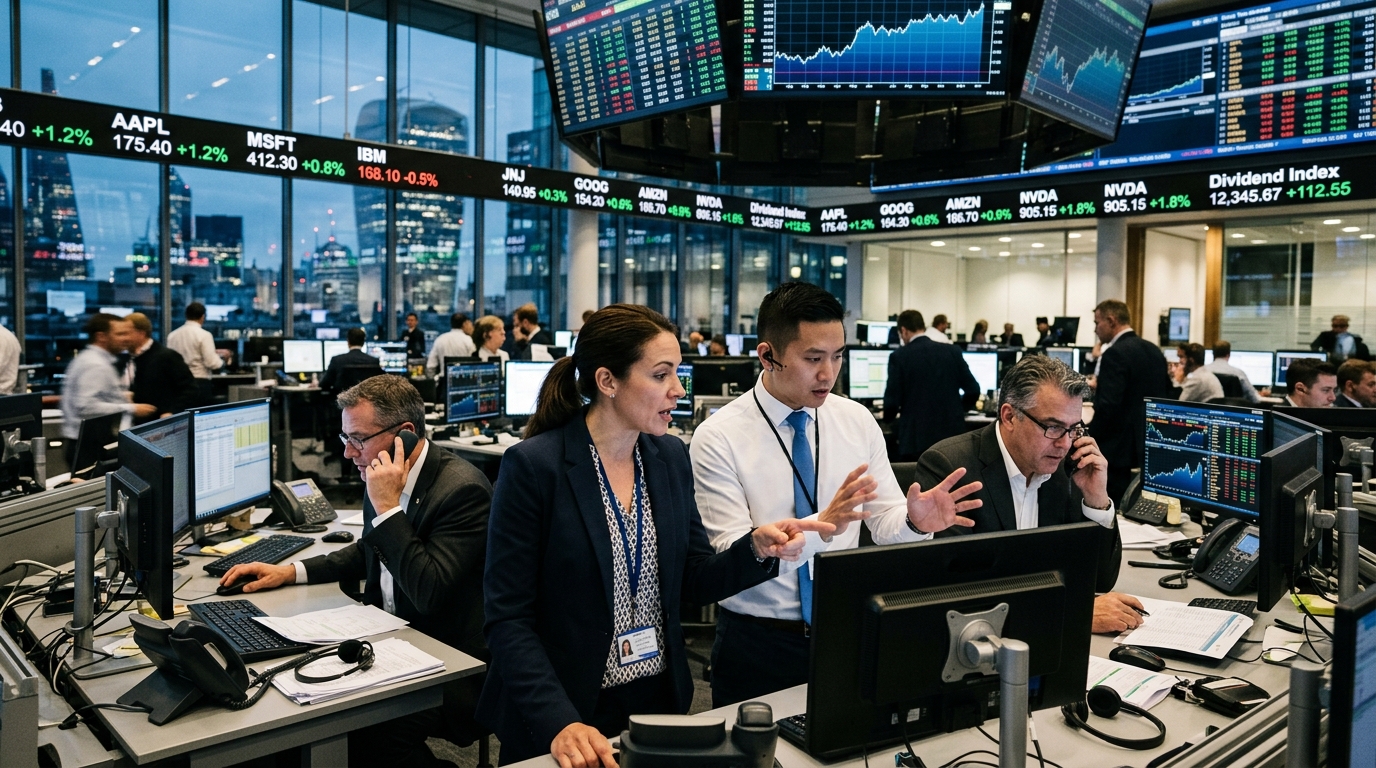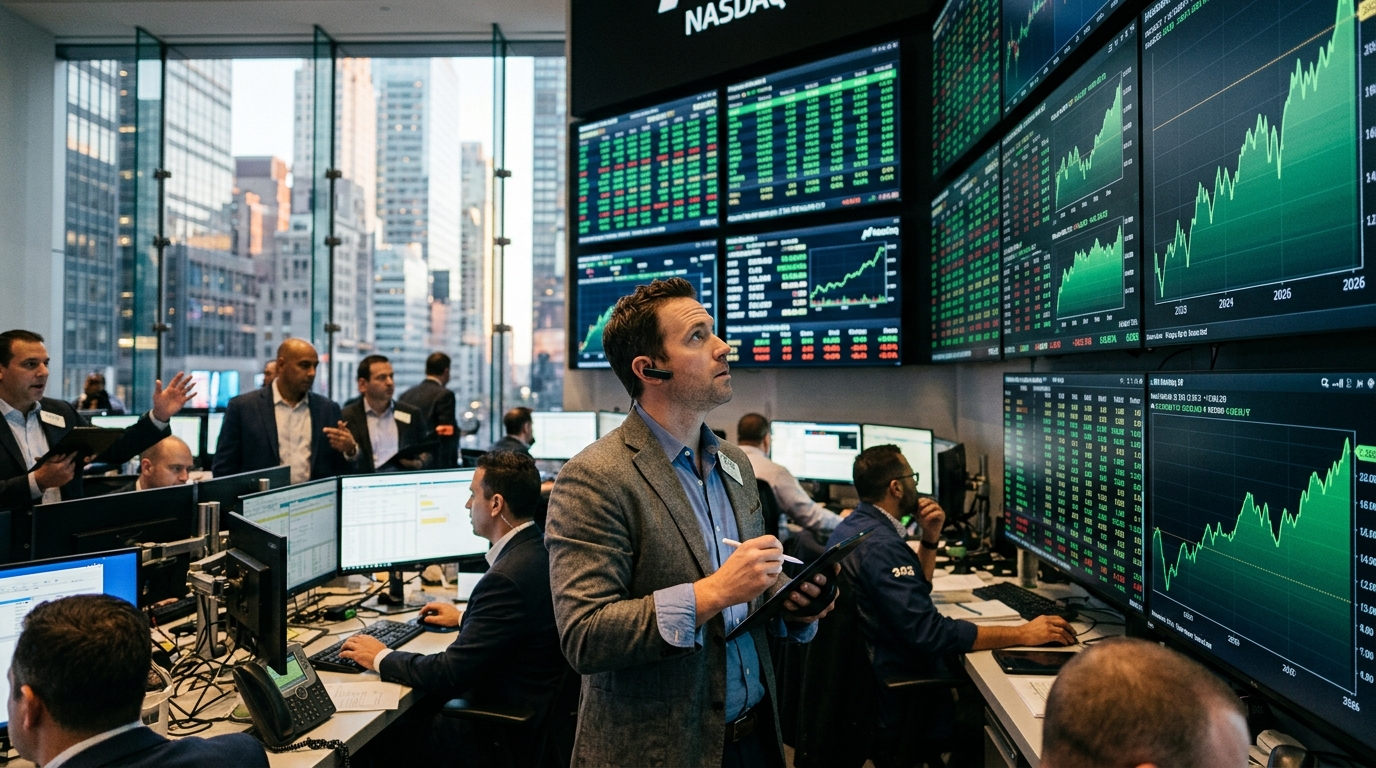
The history of financial markets teaches us that the greatest opportunities often hide in plain sight, disguised as periods of relative calm following a massive explosion. As we move through April 2026, the Nasdaq index stands at a critical crossroads. While many analysts look back at the lower prices of last month with regret, the reality is that the current juncture represents perhaps the most rational moment to position oneself in Artificial Intelligence (AI) growth stocks. We are no longer dealing with a speculative bubble, but with the construction of the planet's new industrial backbone.
The Shift from Infrastructure to Implementation
For the past three years, the market was dominated by semiconductor manufacturers and cloud providers. Nvidia, TSMC, and Microsoft saw their market capitalizations skyrocket as the world rushed to build the necessary infrastructure. However, 2026 marks the great pivot: the era of generative application. The companies leading the Nasdaq today are not just those making the chips, but those integrating AI into daily workflows, creating unprecedented levels of profitability.
The current investment opportunity is rooted in the fact that the market has begun to separate the wheat from the chaff. While 2024 and 2025 were characterized by a generalized surge, 2026 is the year of selectivity. Software companies utilizing AI Agents to fully automate sales, customer service, and code programming are showcasing profit margins that were unthinkable a decade ago. The market now offers an entry point into these now-'mature' tech forces before their financial results are fully priced in by the general public.
The Interest Rate Factor and Liquidity
One of the reasons the present moment is considered the "second-best" time to buy concerns the macroeconomic environment. With US inflation having stabilized and the Federal Reserve following a more predictable interest rate policy, Nasdaq growth stocks are no longer squeezed by the uncertainty of borrowing costs. This allows investors to focus on fundamentals. The liquidity returning to the market is seeking refuge in high-growth companies, and AI remains the only sector with guaranteed demand for the years to come.
- Valuation Stabilization: P/E (Price-to-Earnings) ratios for many AI firms have retreated to more reasonable levels compared to the excesses of 2023.
- Corporate Share Buybacks: Tech giants are using their massive cash reserves to support share prices, providing a safety net for investors.
- Energy Autonomy: Leading AI companies are now investing in their own energy sources (nuclear, renewables), significantly reducing operational risk.
Risks and the Long-Term Positioning Strategy
Of course, investing in the Nasdaq is not without its risks. Geopolitical tensions surrounding Taiwan and the European Union's strict regulatory framework on ethical AI use remain factors that can cause short-term volatility. However, for the investor with a five- or ten-year horizon, these risks are often just "noise" that creates buying opportunities during dips. The structural growth of the sector outweighs the cyclical fluctuations of politics.
"Artificial Intelligence is not just a branch of technology; it is the new way the global economy will function. Anyone who does not hold a stake in this evolution risks being left out of the most significant wealth transfer in history."
In conclusion, while last month may have offered slightly better prices, the current period provides greater clarity. Companies have already shown the first fruits of AI integration, and the winners have begun to emerge. Waiting for a "perfect" correction can lead to missing the entire next upward cycle. In the world of high technology, time in the market is almost always more important than timing the market.