At the dawn of the Artificial Intelligence era, the conversation often centers on algorithms, semiconductors, and raw computing power. However, Meta Platforms, the giant behind Facebook and Instagram, is reminding the world of a fundamental truth: AI does not reside in an ethereal "cloud," but in massive, energy-hungry buildings made of steel and concrete. The company’s recent initiative to fund skilled trades job programs is a strategic move aimed at solving one of the biggest bottlenecks in AI deployment: the shortage of skilled labor for infrastructure buildout.
The Physicality of the Cloud
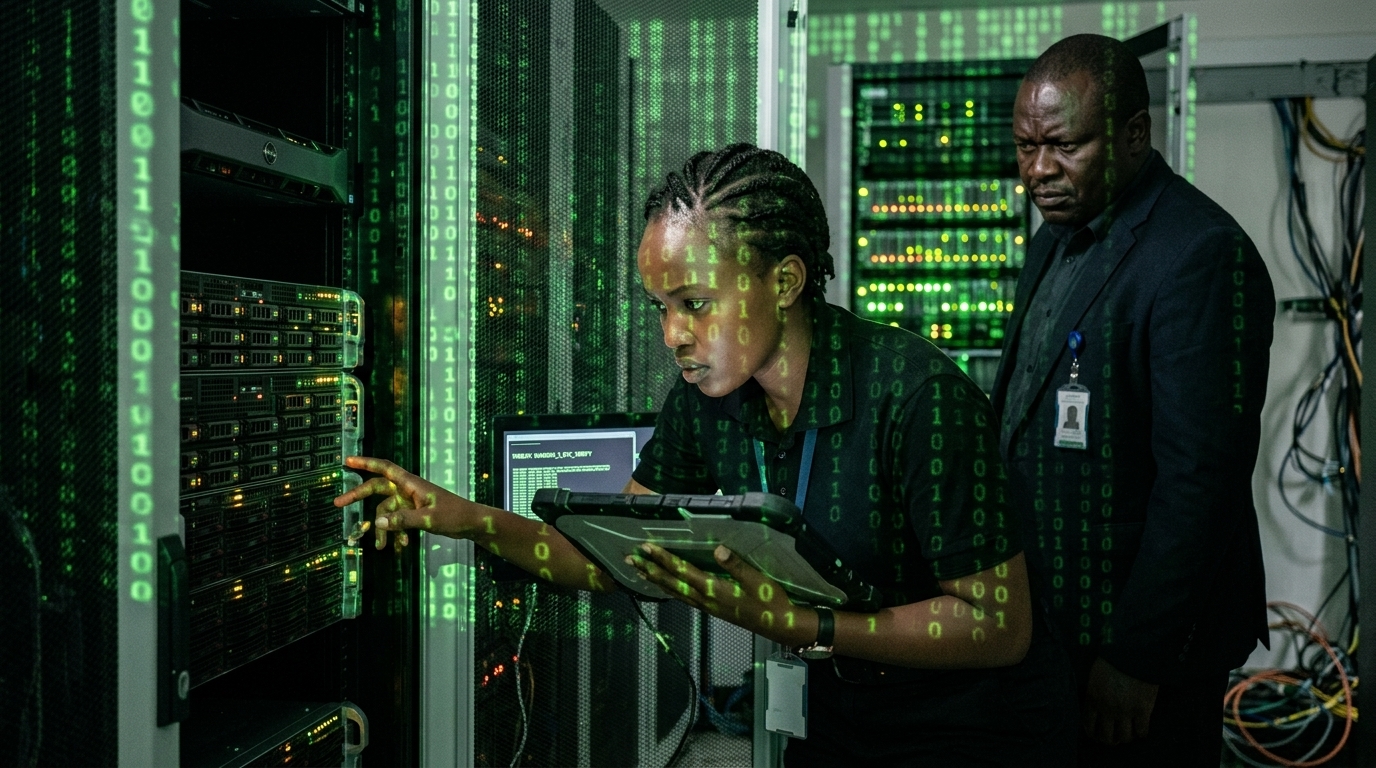
To power Meta’s Llama models and the AI services it offers to billions of users, next-generation data centers are required. These facilities are far more complex than traditional server warehouses. They demand advanced cooling systems, immense electrical capacity, and specialized architecture capable of handling the thermal load of Nvidia’s H100 and Blackwell chips. Building them requires more than just software developers; it requires thousands of electricians, welders, HVAC (heating, ventilation, and air conditioning) technicians, and heavy equipment operators.
Meta’s investment, channeled through programs like SkillUp, aims to bridge the gap between technological demand and labor availability. According to reports, the company recognizes that without a steady stream of tradespeople, construction timelines risk years of delays, potentially leaving Meta behind in the fierce competition with Google and Microsoft.
The Skills Gap and Economic Necessity
For decades, Western economies have prioritized higher education, often neglecting vocational and technical training. The result is an aging population of tradespeople and a shortage of young workers entering the construction industry. By stepping into the role of an educator, Meta isn't merely practicing philanthropy; it is engaging in critical risk management. By funding training in local communities where it plans to build data centers, the company ensures a local talent pool, reducing the costs associated with transporting specialized labor across the country.
This move highlights a compelling irony: the technology that many fear will replace jobs is the very thing driving a massive resurgence in traditional blue-collar trades. The demand for electricians capable of managing high-voltage grids for AI clusters has skyrocketed, with wages in some U.S. regions reaching levels that rival those of entry-level software engineers.
Local Communities and Long-term Impact
Critics often argue that data centers provide few permanent jobs once construction is finished. However, Meta contends that investing in skills leaves a lasting legacy in the region. Workers trained through these programs gain certifications that are valuable across the entire construction industry, not just for Meta’s projects. Furthermore, the presence of such infrastructure often necessitates upgrades to local power grids, though this comes with valid concerns regarding energy consumption and environmental impact.
“We aren’t just building buildings; we are building the ecosystem that will support the next decade of human innovation,” a Meta executive noted in a statement regarding the investment.
In conclusion, Meta’s move to fund skilled trades is an admission that the digital economy remains inextricably linked to physical labor. In a world increasingly focused on virtual reality and artificial intelligence, the value of the person who knows how to hold a tool and connect a high-voltage line remains more critical than ever.