In a move that significantly redraws the North American technological landscape, social media and artificial intelligence giant Meta has announced the construction of a massive data center in Alberta, Canada. With a budget reaching C$13 billion, this represents one of the largest foreign direct investments in the province's history, highlighting the company’s aggressive strategy for dominance in the era of Generative AI.
The Alberta Advantage: From Oil to Data
The choice of Alberta is far from coincidental. The province, traditionally known for its energy sector and oil sands, is rapidly transforming into an attractive destination for tech titans. Factors that tipped the scales in Canada's favor include a business-friendly tax environment, access to renewable energy sources, and, crucially, a cold climate that drastically reduces the costs associated with cooling massive server arrays.
This investment is part of Meta's broader initiative to decrease reliance on third-party infrastructure providers and build its own "fortresses" of computational power. In the age of Llama 3 and future iterations, owning the physical infrastructure is considered as vital as owning the algorithms themselves. Alberta provides the necessary land and stability required for a project of this magnitude.
Economic Impact and Employment
For the local economy, the project is expected to act as a major catalyst. During the construction phase, thousands of jobs will be created, while the ongoing operation of the center will require hundreds of specialized engineers and technicians. However, the true value lies in the ecosystem that forms around such investments. Meta's presence is likely to attract other tech firms, potentially turning Alberta into a "Silicon Prairie" of the North.
- Creation of over 2,500 jobs during peak construction periods.
- Long-term boost to provincial revenue through corporate taxes.
- Development of local fiber-optic networks and energy infrastructure.
Nevertheless, challenges remain. The immense electricity demand of AI-focused data centers places significant pressure on Alberta's power grid. Meta has committed to using 100% renewable energy, which implies parallel investments in local wind and solar farms, potentially accelerating the province's green transition.
The Big Picture: AI as Infrastructure
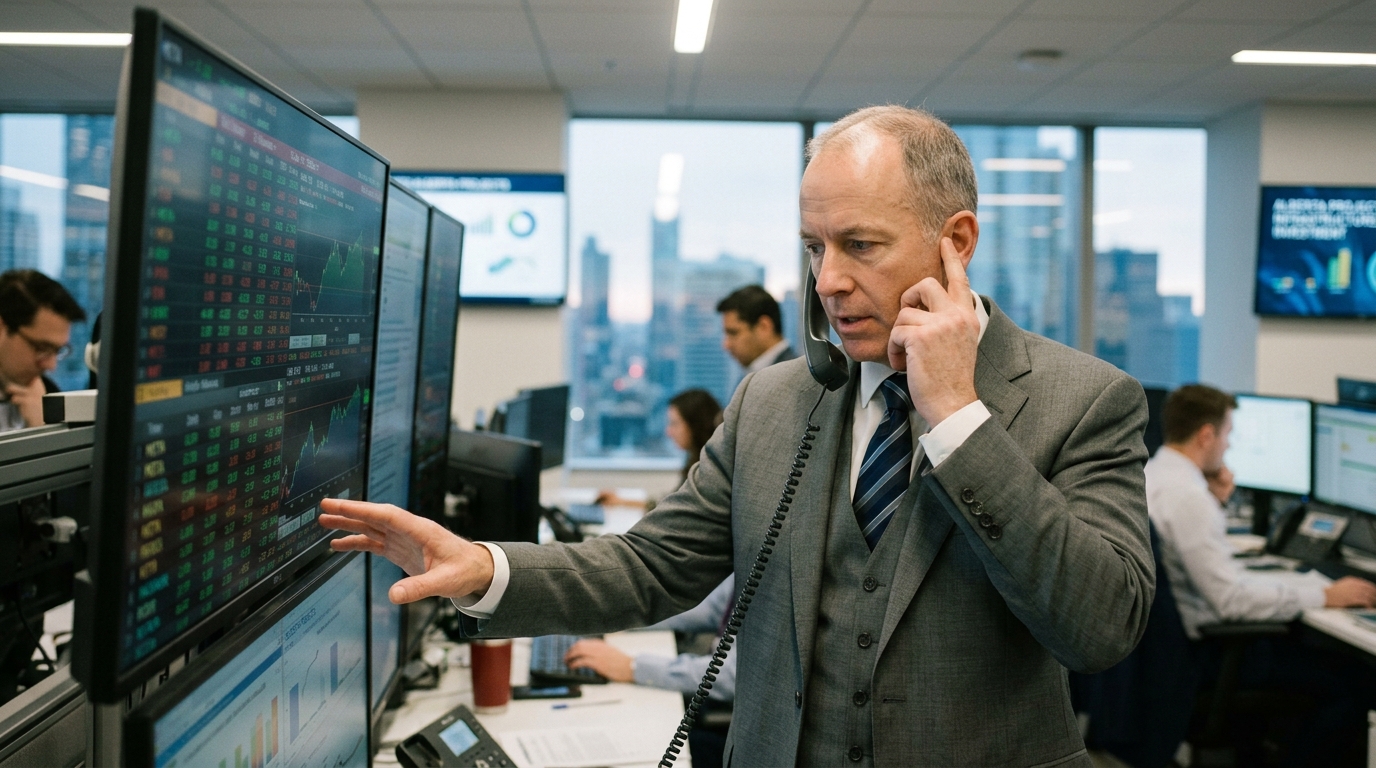
Meta's move demonstrates that the battle for AI supremacy is no longer fought solely in software labs, but increasingly in the realm of physical infrastructure. A company's ability to train models at scale depends directly on GPU availability and the power required to run them. Through this investment, Meta is future-proofing itself against competitors like Google and Microsoft, ensuring it has the hardware to support the software of tomorrow.
"This investment isn't just about servers. It's about laying the foundation for the next era of human connection and intelligence on Canadian soil," a company spokesperson stated during the announcement.
In conclusion, the Alberta data center is a C$13 billion bet that the demand for AI will continue to grow exponentially. For Canada, it is an opportunity to prove it can be more than just a resource exporter: a central hub in the global digital economy.