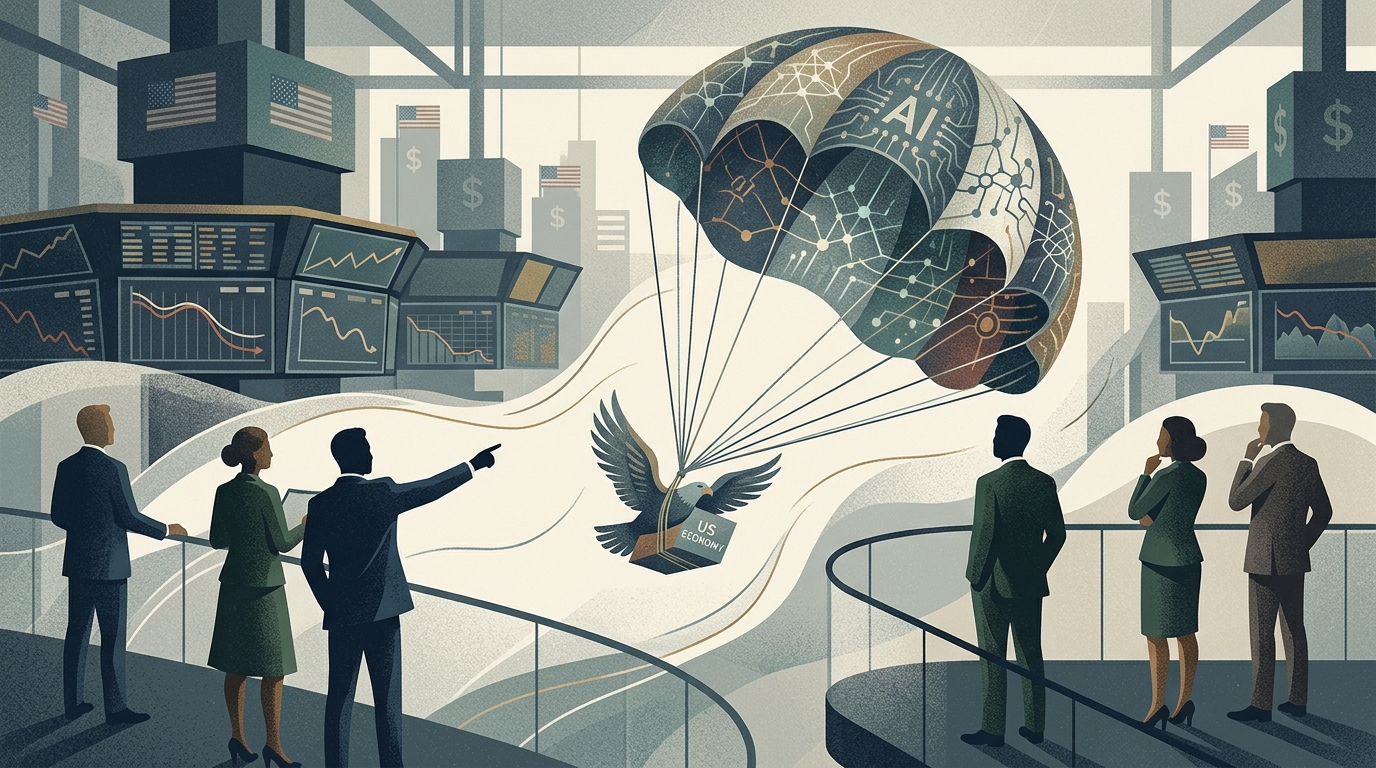
In a period where the global economy is balancing on a tightrope, Jeremy Grantham, co-founder of GMO and one of the most respected analysts of market bubbles in history, has made a realization that is causing a stir. According to Grantham, the US economy would have already slipped into a deep recession if it hadn't been for the unprecedented "explosion" of Artificial Intelligence (AI) that began in late 2022 and peaked throughout 2024 and 2025.
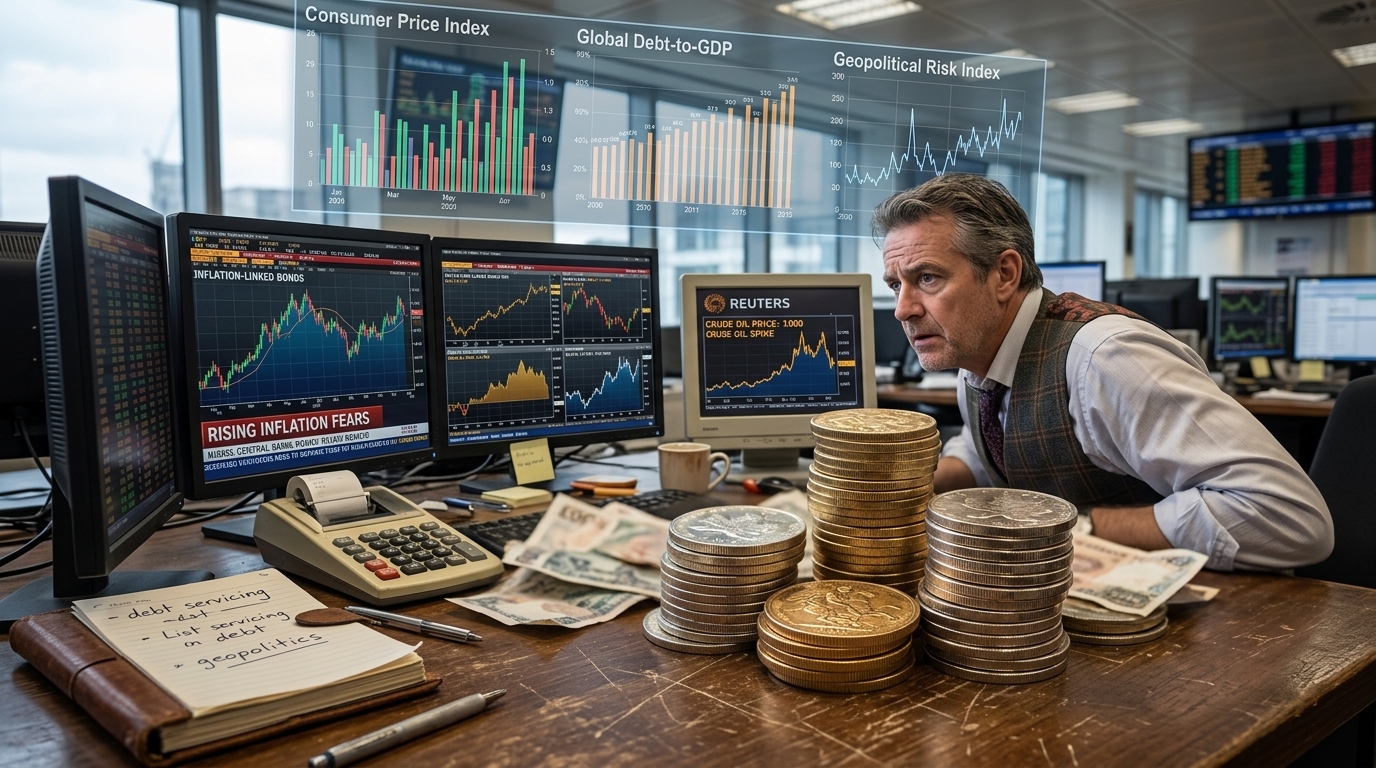
This analysis challenges the traditional narrative of a "soft landing" promoted by the Federal Reserve. Grantham argues that the resilience of the US market is not due to prudent monetary policy, but to a technological "deus ex machina" that channeled billions of dollars into capital investment, creating a buffer against high interest rates and inflation.
The "Bubble within a Bubble" and the AI Intervention
Grantham is known for his pessimism—or realism, as he prefers—having accurately predicted the Japanese market crash in 1989, the dot-com bubble in 2000, and the subprime mortgage crisis in 2008. Two years ago, he warned of a "super-bubble" in US stocks that would lead to a painful correction. However, he now admits that the emergence of ChatGPT and the subsequent AI frenzy changed the landscape entirely.
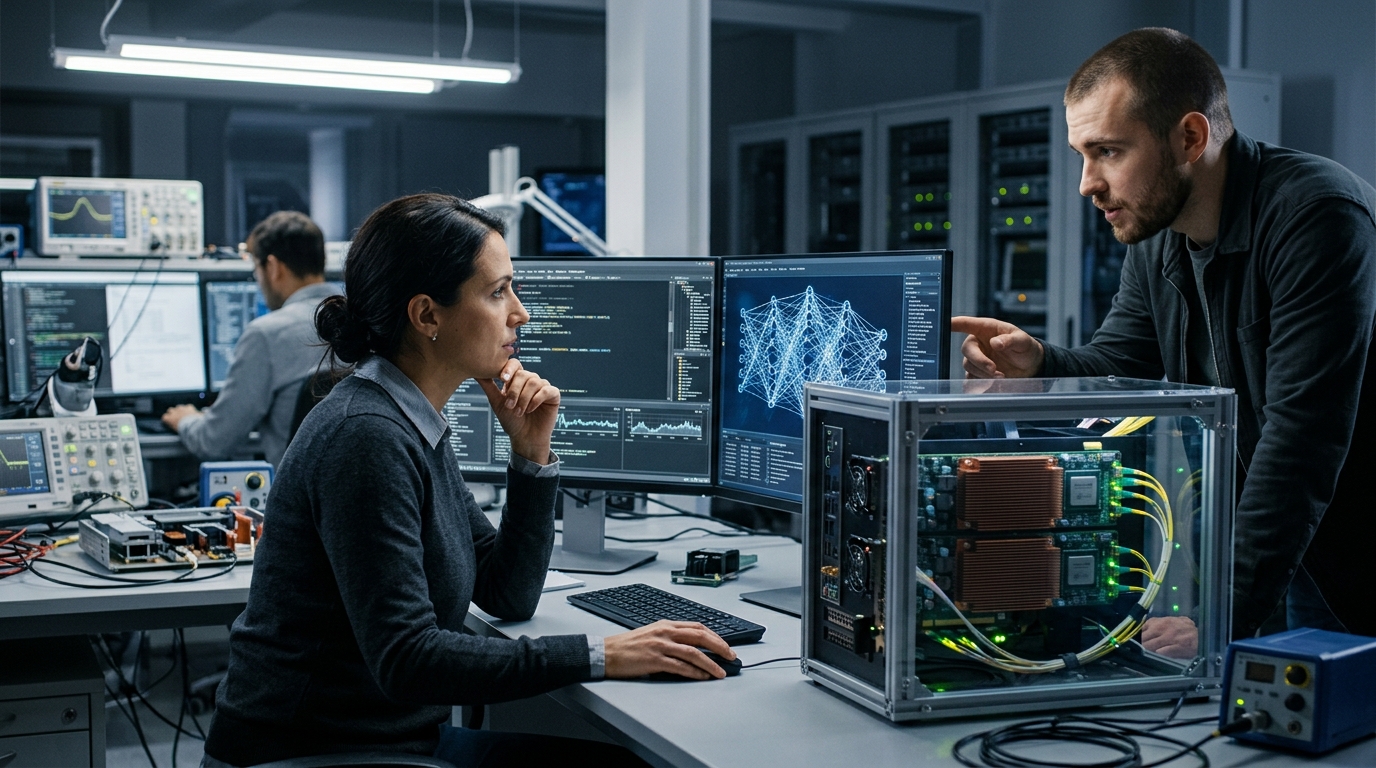
"AI is not just a sector; it is a technological revolution that happened just as traditional economic indicators were pointing toward a cliff," the GMO report states. The massive demand for semiconductors from Nvidia, the upgrading of data centers by Microsoft and Google, and the shift of every Fortune 500 company toward automation created an artificial demand that kept employment high and consumer confidence alive.
Dependence on the "Magnificent Seven"
The problem, according to Grantham, is the extreme concentration of wealth and market capitalization in a handful of companies. While the S&P 500 shows historic highs, the real economy outside the tech sector is showing signs of fatigue. Small and medium-sized enterprises are struggling with borrowing costs, while consumers are exhausting their pandemic-era savings.
This dual nature of the economy—a hyper-profitable tech elite and a stagnant base—poses risks to systemic stability. If AI's promise of immediate productivity gains does not materialize on a broad scale soon, investors may withdraw their capital as quickly as they deployed it. Grantham warns that we are in "uncharted waters," where economic survival depends on whether AI is a true revolution or the largest speculative mania of the century.
Geopolitics and Fiscal Support
Furthermore, the AI arms race between the US and China has functioned as an informal fiscal stimulus program. The US government, through the CHIPS Act and other initiatives, has funneled hundreds of billions into domestic technology production. This state intervention, combined with private capital, has created a "war economy" in peacetime (or rather, in a time of cold technological war), which absorbs the shocks that would normally be caused by the Fed's high interest rates.
However, history teaches that no technological innovation can postpone a recession indefinitely. Grantham concludes that AI "bought time" for the US economy, but the price may be an even more violent adjustment in the future, when the market is called upon to prove that AI profits are real and not just expectations on a spreadsheet.
Conclusion: A Fragile Balance
Jeremy Grantham’s analysis reminds us that technology and the economy are now inextricably linked. AI is no longer a tool for the future, but the main pillar of the present. For Europe and the rest of the world, the lesson is clear: lagging in AI investment is not just a technological deficit, but an economic vulnerability. As 2026 progresses, the question is not whether AI will change the world, but whether it can continue to keep the global economy afloat while the foundations of traditional growth crumble.