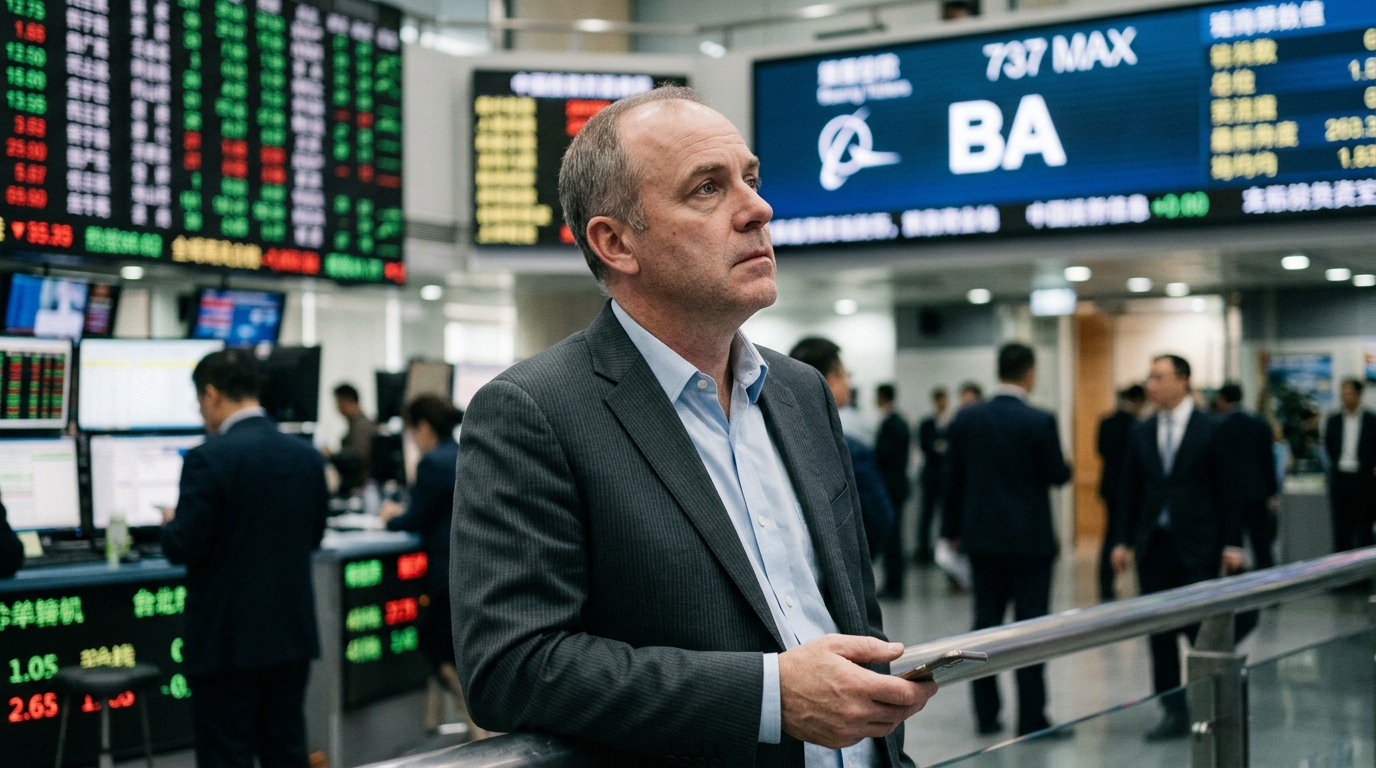
The story of Intel over the past few years resembles a Greek tragedy transformed into an epic of rebirth. For nearly a decade, the "Blue Giant" of Silicon Valley seemed to have lost its compass, ceding dominance to TSMC in manufacturing and to Nvidia in innovation. However, the current landscape in May 2026 is radically different. With the company's stock recording a surge of nearly 500% over the last 12 months, the market is asking: Is this the beginning of a new empire or an overreaction to AI euphoria?
The IDM 2.0 Strategy and the Success of Node 18A
The backbone of Intel's rise is none other than CEO Pat Gelsinger's ambitious plan, known as IDM 2.0. The company's decision to open its factories to third-party manufacturers (Intel Foundry Services) proved to be a masterstroke. With the completion of the 18A (1.8nm) process node, Intel managed to regain technological leadership from TSMC, offering superior energy efficiency and transistor density. This attracted giants like Microsoft and Amazon, who were seeking alternatives for manufacturing their own custom AI chips.
The geopolitical dimension also plays a decisive role. In a world where Taiwan remains a point of friction, Intel stands out as the only reliable Western solution for cutting-edge semiconductor production on American and European soil. Massive subsidies from the U.S. CHIPS Act and the corresponding European framework acted as fuel for the expansion of its plants in Ohio and Germany, reducing capital costs and boosting investor confidence.
Gaudi 3 and the AI Accelerator Battle
While Nvidia dominates with its H100 and Blackwell processors, Intel has managed to find its own niche in the market with the Gaudi series. Gaudi 3, released last year, offered an exceptional price-to-performance ratio, targeting enterprises that do not have the unlimited resources of Big Tech. Intel's strategy is not to displace Nvidia from the peak of absolute power, but to become the "democratic" choice for enterprise AI, offering open software standards that break the CUDA monopoly.
- Expansion of the AI PC ecosystem with Lunar Lake processors.
- Billion-dollar agreements with the U.S. Department of Defense for secure chip production.
- Reducing dependence on the PC market through diversification into Data Centers.
The Risks of Overvaluation and Competition
Despite the excitement, analysts warn of the risks. A 500% rise already bakes in very high expectations. If Intel fails to meet the timeline for future nodes (such as 14A), the fall will be steep. Furthermore, Nvidia is not standing still, and AMD continues to pressure server market shares. The challenge for Intel is to convert Foundry service revenues into net profitability, which requires massive economies of scale that have not yet been fully achieved.
"Intel is no longer just selling silicon; it is selling geopolitical security and the promise of an open AI ecosystem," Wall Street analysts suggest.
In conclusion, Intel is back in the game. Its stock may not continue at the same explosive pace, but the fundamental shift in its business model makes it once again one of the most important players on the global technological chessboard. The next two years will determine whether the "Blue Giant" will remain at the top or be relegated to the role of a high-end manufacturer for others.