In a move that signals a new era for Midwestern economic strategy, Indiana Governor Mike Braun has announced the launch of a groundbreaking program aimed at accelerating the adoption of Artificial Intelligence (AI) by local businesses. The announcement, occurring during a period of intense global competition for technological supremacy, underscores the state's conviction that AI is no longer a luxury reserved for tech giants but an essential tool for survival and growth for every enterprise, from manufacturing to retail.
The Strategic Significance of the Initiative
The program, described as a "systemic intervention" in the local economy, is not limited to mere subsidies. Instead, it creates a support ecosystem that includes technical guidance, access to computational resources, and workforce retraining programs. Governor Braun emphasized that Indiana must transform from a state that follows trends to one that drives them. "It's going to make a big difference," he remarked, referring to the ability of small and medium-sized enterprises (SMEs) to compete globally through automation and data analytics.
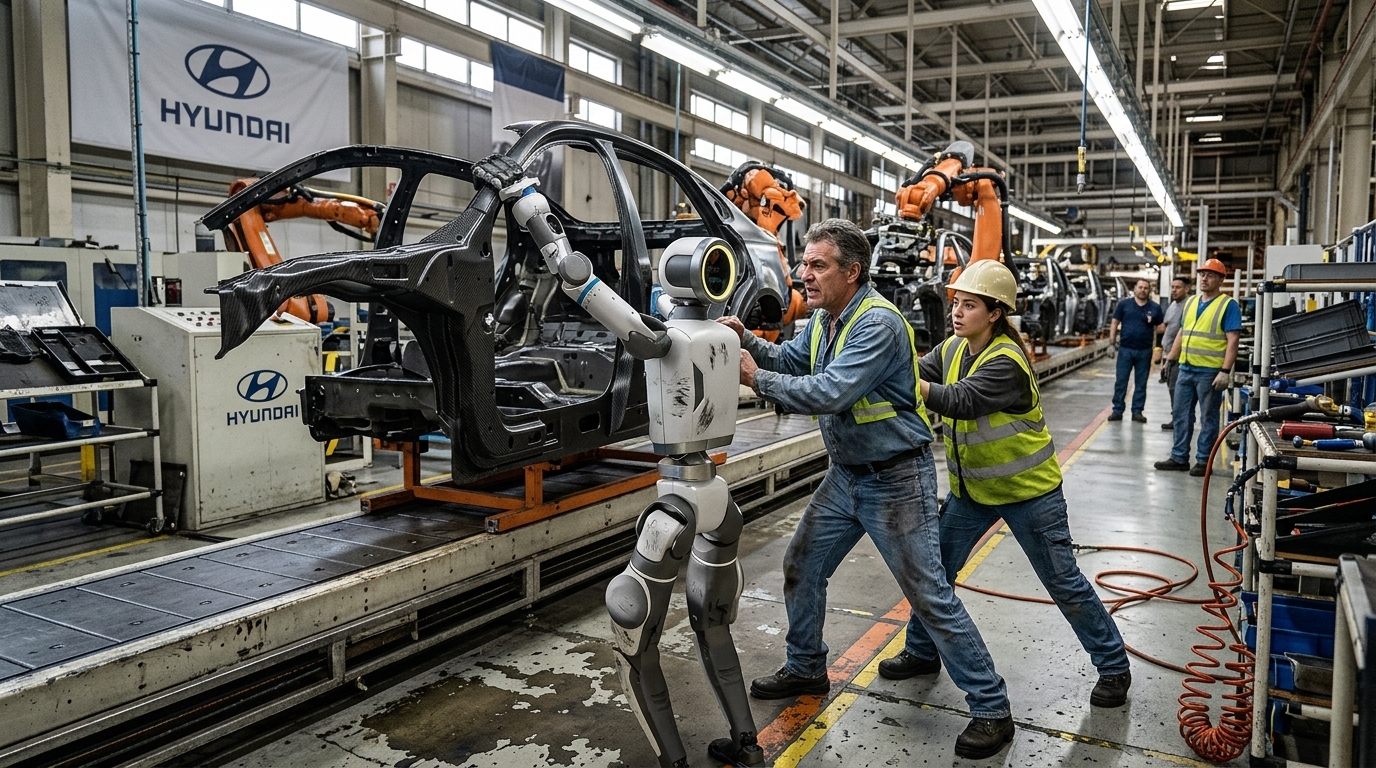
The initiative comes at a time when many Indiana businesses, particularly in manufacturing and agriculture, are facing pressures from labor shortages and rising operational costs. Artificial Intelligence offers solutions to these problems by enabling predictive maintenance for equipment, optimizing supply chains, and personalizing customer services. The state is assuming the role of a catalyst, reducing the risk of initial investment for entrepreneurs who are often hesitant to adopt cutting-edge technologies.
Bridging the Digital Divide
One of the most critical elements of the program is its focus on Small and Medium Enterprises (SMEs). While large multinationals have the capital to develop their own AI models, smaller businesses often fall behind due to a lack of expertise and resources. Braun's program aims to bridge this gap by offering "ready-to-use" AI solutions that can be tailored to the needs of each industry. This includes collaborations with local universities, such as Purdue and Indiana University, which will serve as hubs for innovation and education.
Furthermore, the program places a strong emphasis on the ethical use of technology and data protection. In an era where concerns about privacy and information security are at their peak, the State of Indiana commits to providing a security framework that protects both businesses and consumers. This approach is expected to build trust in technology, which is often the biggest hurdle to its widespread adoption.
Economic Implications and the Future of Work
Braun's move is not devoid of political and economic foresight. With elections approaching and the economy being the central topic of discussion, investing in technology is a promise of high-quality jobs for the future. However, the challenge remains: how to ensure that AI adoption does not lead to mass worker displacement? The program's answer lies in "augmentation" rather than "replacement." The goal is for workers to learn to use AI as a tool that will make them more productive, freeing them from repetitive tasks.
In conclusion, Indiana's initiative represents a model that other U.S. states are likely to follow. In a world where technological power translates directly into economic and political power, Indiana chooses to invest in the future, recognizing that stagnation is the greatest risk. The success of the program will be judged by the number of businesses that manage to meaningfully integrate AI into their operations and by the state's ability to maintain social cohesion amidst this rapid transition.