On the night of May 22, 2026, American television lost one of its most steadfast pillars. The curtain fell for the final time on 'The Late Show with Stephen Colbert' at the Ed Sullivan Theater, not with a whimper, but with an epic rendition of 'Hello, Goodbye' by Sir Paul McCartney and a searing reminder that in the era of media mergers, even political influence bows to the balance sheet. The show’s cancellation by CBS, now part of a restructured Paramount, marks the end of an era where the late-night talk show served as the national conscience of the United States.
The Economic Reality Behind the Goodbye
Despite dominating the ratings for over a decade, Colbert fell victim to a perfect storm of financial pressures. Paramount Global, grappling with the massive costs of a recent legal settlement related to its coverage of events surrounding Donald Trump and the legal fallout of previous election cycles, sought desperate ways to slash expenditures. 'The Late Show,' with an annual production cost nearing $100 million, was deemed a luxury at a time when linear television is bleeding ad revenue to TikTok and YouTube.
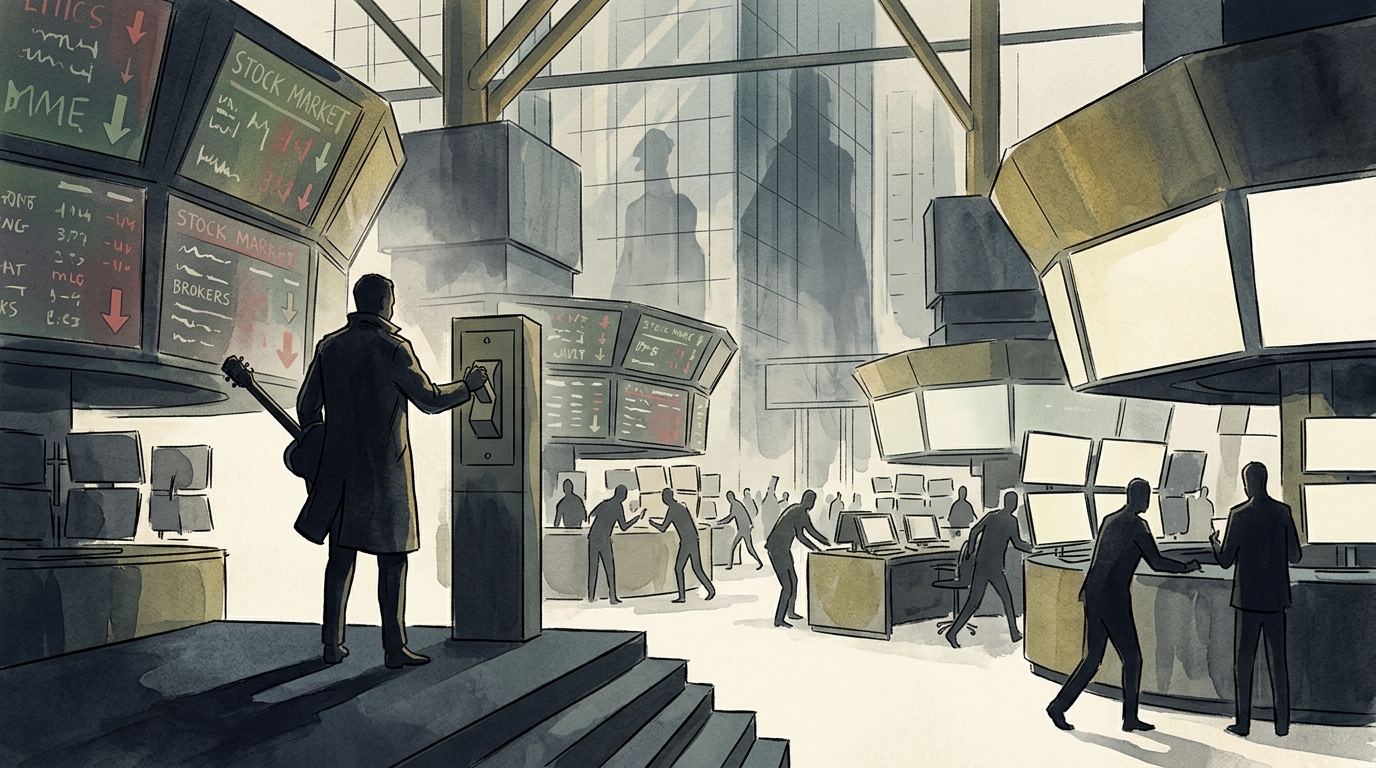
The decision by CBS to 'pull the plug' was not merely financial, but strategic. In the new media landscape, corporations prefer content that is 'safe' for all sides and, crucially, cheap. Colbert, who transformed his show into a bastion of political satire and a critique of Trumpism, had become an expensive target. The reference to '11 years of receipts' during his monologue wasn’t just a joke; it was a ledger of the political and cultural history that the network chose to archive prematurely.
McCartney and the Symbolism of the Final Act
The presence of Paul McCartney was no accident. Colbert, a well-known Beatles devotee, used the musical legend to highlight the dual nature of his departure. 'Hello, Goodbye' functioned as an anthem for transition. As McCartney sang, the screen displayed highlights from Colbert’s 11-year run on CBS, from his debut in 2015 to the darkest moments of the pandemic, when he broadcast from his bathtub, keeping a frightened nation company.
- The appearance of a digital dolphin, a long-running inside joke, symbolized the surreal humor Colbert never abandoned.
- The final week's guest list included everyone from Jon Stewart to Michelle Obama, showcasing the depth of his influence.
- The final bow was taken in front of an audience that included laid-off network employees, a silent protest against the cuts.
The Future of Late-Night and Colbert’s Legacy
Colbert’s cancellation begs the question: Can the late-night talk show survive in its current form? With Jimmy Fallon and Jimmy Kimmel facing similar pressures for budget cuts, the model of daily, high-cost production seems obsolete. Paramount appears to be moving toward a direction where content is shorter, more 'viral,' and less connected to current events, avoiding the political friction that proves costly in courtrooms and advertising boycotts.
“We aren’t leaving because we ran out of things to say, but because the price of truth became too high for the stock market,” Colbert remarked in his final monologue.
Stephen Colbert was more than just a host; he was a translator of American paranoia. His ability to blend high intellect with low-brow humor created a standard that will be difficult to replicate. As the lights dimmed at the Ed Sullivan Theater, the feeling was not just the loss of a show, but the loss of a common square where Americans could laugh at their woes before bed. CBS may have saved a few million, but the cost to the public sphere may prove far greater.