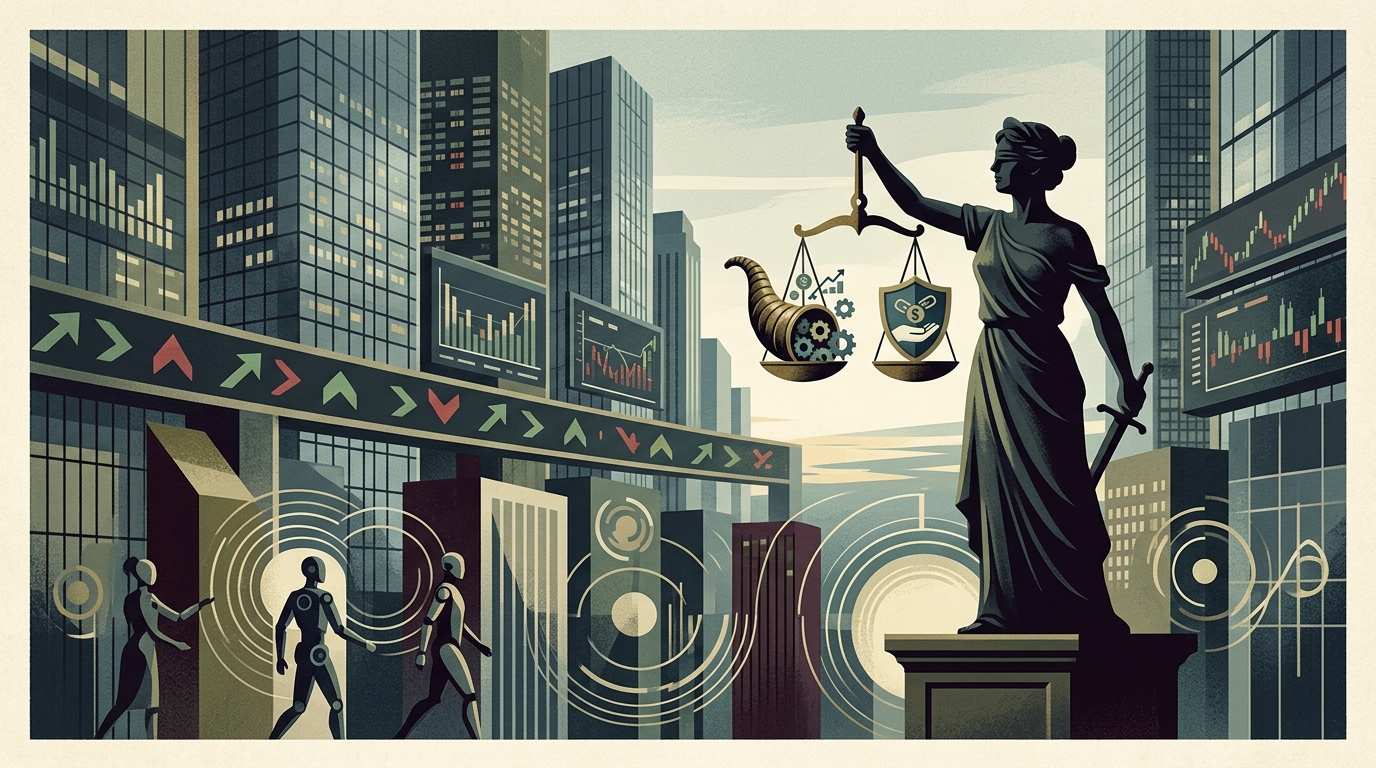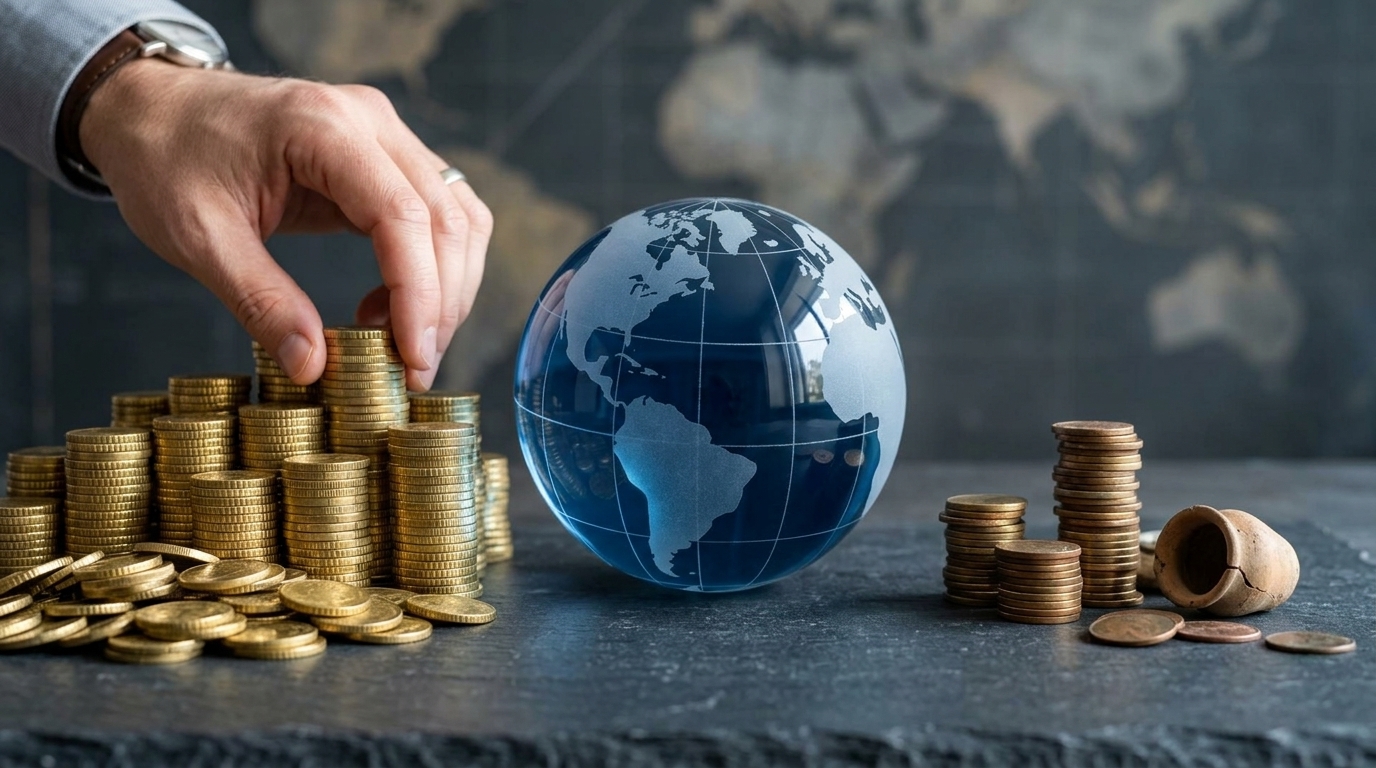
The global economy presents a picture that could be described as the ultimate paradox of the modern era. According to the latest data on global wealth, the past year was marked by an impressive increase of 11%, a recovery that exceeded the expectations of most analysts following a period of inflationary pressure and geopolitical uncertainty. However, behind the glittering numbers lies a dizzying reality: 1.5% of the global population now holds nearly 50% of the world's wealth. This concentration of capital is not just a statistic; it is the imprint of a system that accelerates prosperity for the few while the many struggle to keep up.
The Engine of Recovery: Technology and Markets
The 11% surge in global wealth did not emerge from a vacuum. The primary driver of this rise was the explosive performance of stock markets, with a particular emphasis on the technology sector. The resurgence of interest in Artificial Intelligence (AI) acted as a catalyst, skyrocketing the valuations of tech giants and, by extension, the net worth of their shareholders. Investors who had the financial stamina to remain positioned in the markets during the previous downturn were handsomely rewarded, confirming the rule that capital breeds capital.
Furthermore, the stabilization of interest rates by central banks, despite persistent inflation, provided a sense of security for real estate markets and financial assets. The wealth lost in 2022 due to the decline in bonds and stocks was more than recovered, pushing total assets to new historical highs. However, this rise primarily concerns "paper" wealth, which is highly sensitive to market fluctuations and does not always translate into an improved standard of living for the average citizen.
The Shrinking "Bottom" and the New Face of Poverty
One of the most interesting and perhaps hopeful aspects of the report is the decrease in the percentage of people with assets under $10,000. This suggests a gradual movement of populations from absolute economic weakness toward a lower-middle class, particularly in the emerging economies of Asia and Latin America. Economic growth in countries like India and Vietnam has created new opportunities, allowing millions of people to acquire bank accounts and small-scale assets for the first time.
Nevertheless, optimism must be tempered. While the number of individuals in the lowest bracket is decreasing, the distance separating them from the next tier is widening. Additionally, the inflation of recent years has eroded the purchasing power of those $10,000. In reality, holding $10,000 in 2024 does not offer the same security it did a decade ago. "Escaping" poverty, as defined statistically, often does not align with the sense of economic dignity in everyday life.
The Empire of the 1.5%: A Challenge to Social Cohesion
The fact that 1.5% of the population controls half of the world's wealth raises serious questions about the sustainability of the current economic model. This hyper-concentration is not just about luxury; it is about power. The ability of such a small group to influence global investment, political decisions, and the direction of technological progress is unprecedented in human history. Ultra-high-net-worth individuals (UHNWIs) see their fortunes grow at rates no longer related to productivity but to the dynamics of complex financial instruments.
- Geographic Distribution: North America and Europe continue to host the bulk of this wealth, but Asia is gaining ground rapidly.
- Inheritance vs. Creation: A shift toward inherited wealth is observed as the baby boomer generation begins to transfer vast sums to their descendants, creating a new "aristocracy" of capital.
- Tax Policy: The debate over a global minimum tax on billionaires is gaining new momentum as governments seek resources for climate change and social infrastructure.
As we move into the second half of the decade, the challenge for world leaders will be to ensure that the next increase in wealth does not simply widen the gap but builds bridges. Technology, and especially AI, has the potential to democratize access to prosperity, provided its fruits do not remain trapped in the hands of the 1.5%.