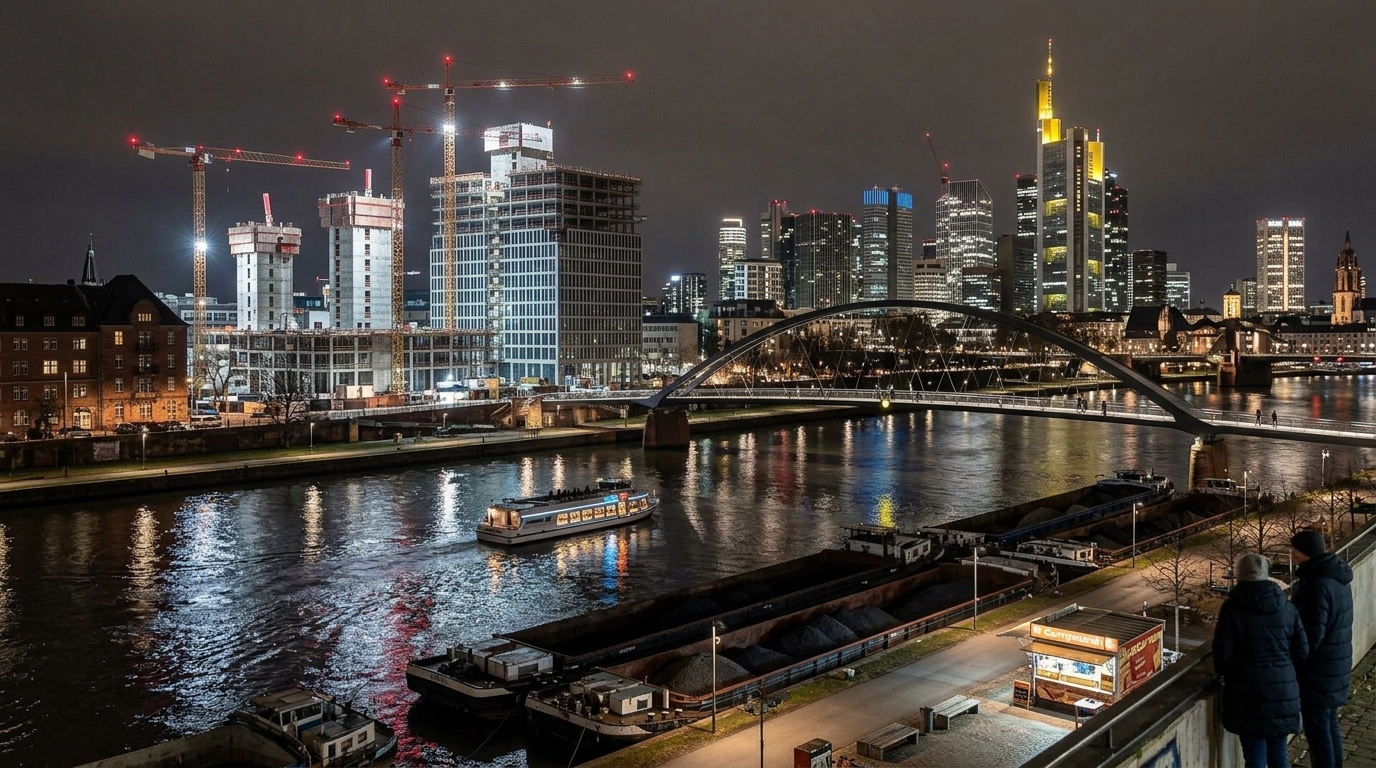
By mid-2026, the image of Germany has shifted dramatically from the powerhouse that once propelled the European economy. The country is currently ensnared in a multi-layered cycle of stagnation, experiencing a crisis that touches the very foundations of its social and economic model. The sentiment that the 'German miracle' has run out of fuel is pervasive, echoing through the halls of the Bundestag, the industrial hubs of Bavaria, and the decaying infrastructure of the Ruhr region.
The End of the Cheap Energy and Export Era
For decades, German prosperity was built on two distinct pillars: inexpensive Russian energy and an insatiable Chinese market for exports. Following 2022, the first pillar collapsed entirely, while the second is wobbling under geopolitical tensions. German industry—particularly energy-intensive sectors like chemicals and metallurgy—is finding it increasingly difficult to compete with lower production costs in the United States and Asia. Deindustrialization is no longer a distant threat; it is a tangible reality as production lines move abroad.
The constitutional 'debt brake' (Schuldenbremse) has become a double-edged sword. While global competitors pour billions into the green transition and Artificial Intelligence, Germany remains tethered to a fiscal discipline that prevents necessary infrastructure modernization. Deutsche Bahn, once a global benchmark for punctuality, has become a symbol of systemic neglect, reflecting a broader decline in public investment and maintenance.
Political Paralysis and the Rise of Extremism
The political landscape in Berlin is defined by an unprecedented inability to forge a consensus. The 'Traffic Light' coalition (Ampel) is frequently bogged down in internal disputes, leaving the nation without a clear strategic direction. This power vacuum, combined with mounting economic insecurity, has provided fertile ground for populist movements. The AfD and the Sahra Wagenknecht Alliance (BSW) are gaining significant traction, capitalizing on public frustration regarding migration and the rising cost of living.
- A critical shortage of skilled labor is hampering business operations and growth.
- Demographic shifts are placing unsustainable pressure on the social security system.
- Chronic bureaucracy continues to stifle new investments and entrepreneurial spirit.
Social cohesion is under immense strain. The middle class, traditionally the bedrock of German democracy, feels its standard of living is in freefall. High rents and inflation, coupled with a perceived decline in the quality of education and healthcare, have created a potent atmosphere of national pessimism.
The Digital Deficit and the AI Challenge
In the technological sphere, Germany appears to have missed the digitalization wave. While Silicon Valley and China dominate the AI race, German companies—especially the famed 'Mittelstand'—are still struggling with basic digital integration. A lack of sovereign cloud infrastructure and overly rigid data regulations have stifled domestic innovation.
"Germany doesn't just need reforms; it needs a fundamental reboot of its national operating system," analysts in Berlin suggest.
The core challenge for the coming years is whether the nation can pivot its heavy industrial base toward a 'smart' and green economy without fracturing its social contract. Without bold investment and the political courage to break from past dogmas, Germany risks becoming a museum of a glorious industrial past rather than a leader of the future.