In the current landscape of May 2026, the conversation surrounding telecommunications has definitively shifted from mere connectivity to computational power. The recent insights shared by David Grain, founder and CEO of Grain Management, on Bloomberg Tech, highlight a critical turning point: digital infrastructure is no longer just the "pipes" through which data flows, but the bedrock upon which the global Artificial Intelligence (AI) economy is being built.
AI as the Primary Driver of Demand
According to Grain, we are in a phase where "real workloads" are beginning to absorb available infrastructure at rates unforeseen just a few years ago. While 2024 and 2025 were characterized by euphoria over the potential of Generative AI, 2026 is the year of implementation. Enterprises are now moving complex production models to the cloud and the edge, demanding lower latency and massive bandwidth.
Grain Management, a firm specializing in investments in broadband networks and data centers, views this transition as an opportunity for massive capital deployment. Grain notes that his firm is "very active" in placing capital, focusing on assets that can support the increased power density required by modern GPUs. The challenge is no longer just coverage, but the network's ability to handle millions of simultaneous real-time inference processes.
The Strategic Importance of Edge Infrastructure
One of the most significant trends highlighted in the discussion is the decentralization of infrastructure. Traditional hyperscale data centers remain crucial, but the need to process data closer to the end-user—so-called Edge Computing—is becoming imperative. This directly impacts cell towers and fiber optic networks.
- Fiber Optics: The backbone of the digital economy. Without dense fiber networks, 5G and the upcoming 6G technology remain unfulfilled promises.
- Edge Data Centers: Smaller facilities that allow AI processing at a local level, reducing data transport costs.
- Energy Autonomy: The need for stable, green energy is becoming the new "currency" in selecting locations for new infrastructure.
David Grain argues that investors who understand the physical dimension of the digital world—land, power, and permitting—are the ones who will dominate the next decade. Digital infrastructure is now treated as an asset class similar to real estate or traditional utilities, but with much higher growth rates.
Capital Flows and the Geopolitical Context
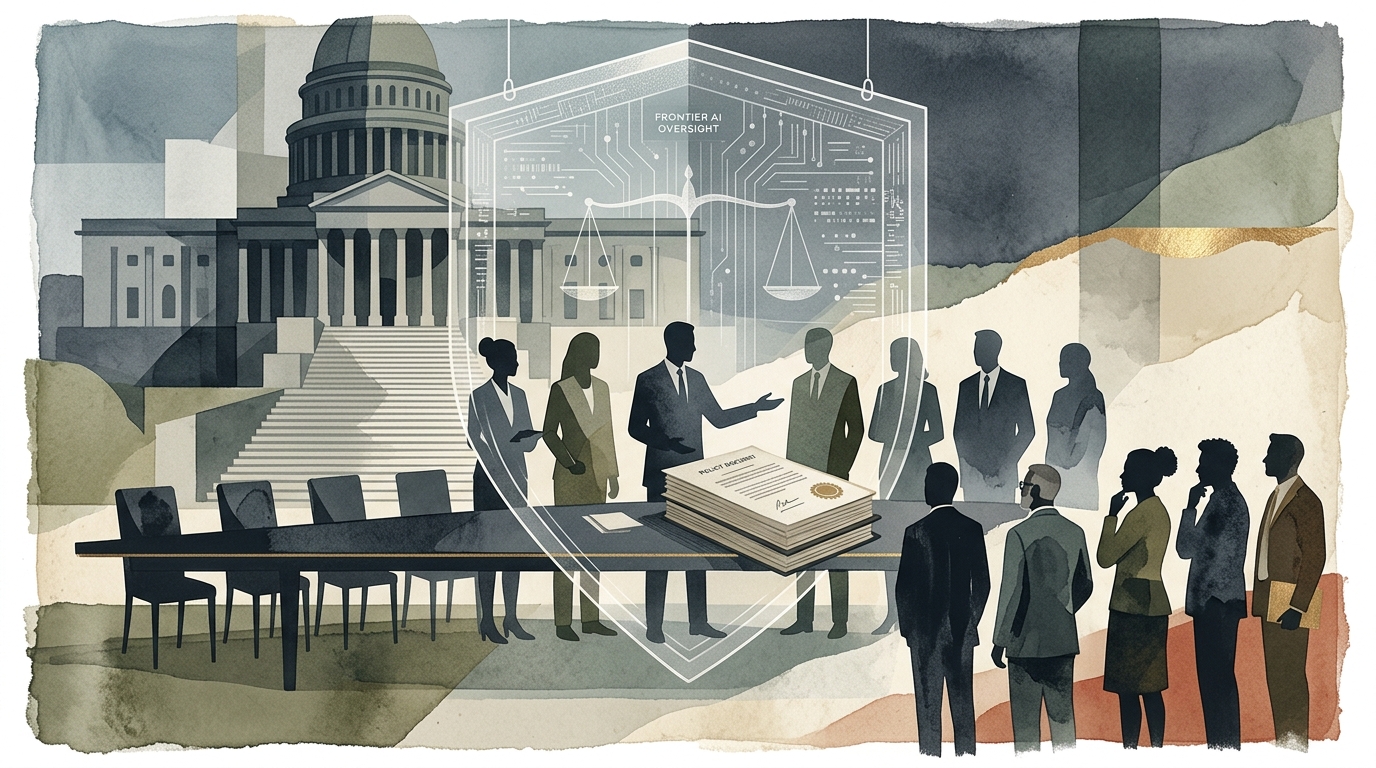
The development of this infrastructure does not happen in a vacuum. In 2026, geopolitics plays a decisive role. The need for "digital sovereignty" is driving governments in Europe and North America to subsidize the domestic construction of data centers and the security of telecom networks. Grain points out that capital deployment now requires a deep understanding of the regulatory framework and national security strategies.
"The infrastructure we build today will determine the economic competitiveness of nations for the next thirty years. It's not just about internet speed; it's about a country's ability to host the intelligence of the future."
In conclusion, the telecommunications sector is in a phase of "re-foundation." The focus is shifting from increasing mobile subscriber counts to providing the necessary resources for the AI revolution. For investors, this means a shift toward hard assets that have long-term value and stable cash flows in a world hungry for data and processing power.