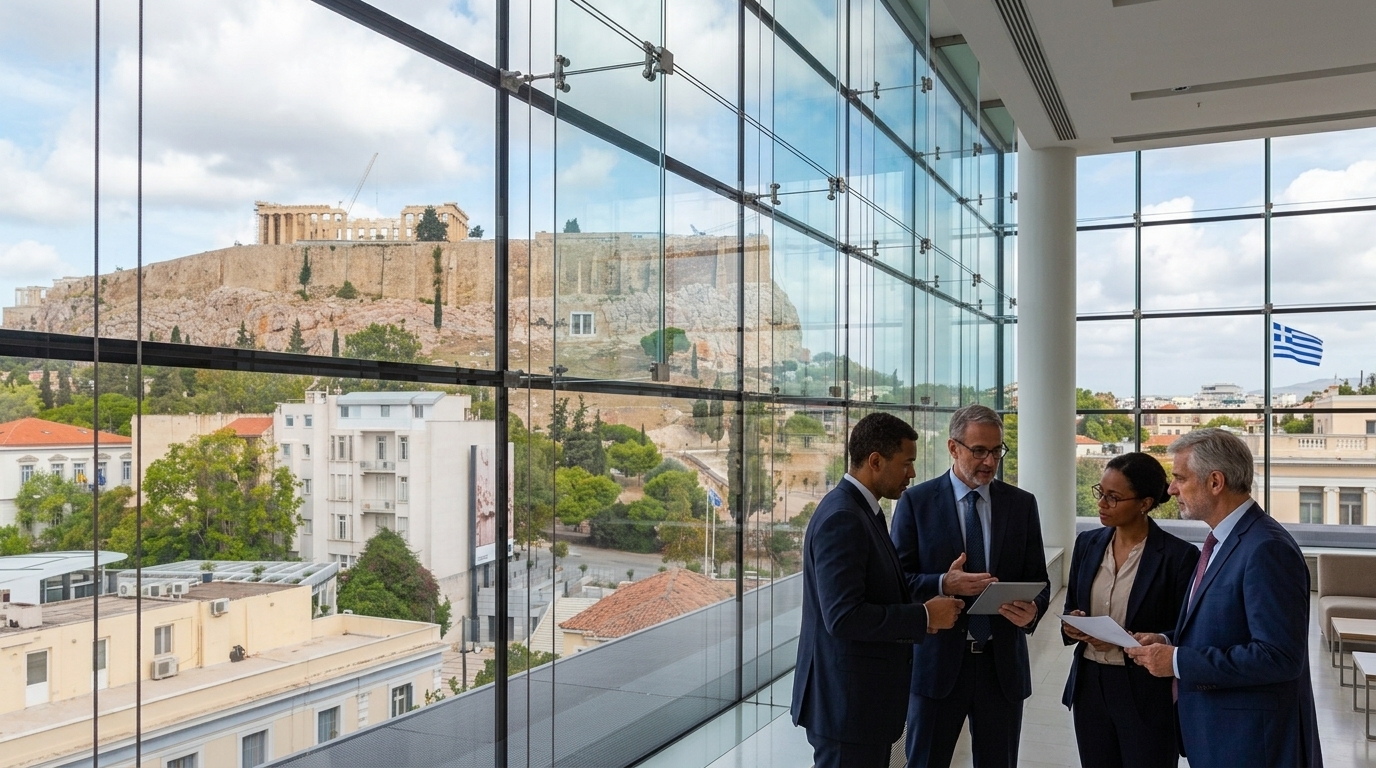
The Greek economy continues to demonstrate remarkable resilience in an environment characterized by intense international uncertainty and geopolitical upheaval. According to Eurobank's latest analysis for the first quarter of 2026, Greece has managed to absorb the shocks from the conflict in the Persian Gulf, maintaining growth rates that exceed the Eurozone average. The report highlights that despite rising energy prices and supply chain disruptions, the country's economic fundamentals remain strong, fueled by the inflow of Recovery Fund resources and the ongoing momentum of the tourism sector.
The Impact of the Persian Gulf Crisis and Domestic Market Endurance
The conflict in the Persian Gulf, which peaked in early 2026, caused an immediate spike in international oil and gas prices. For an economy like Greece, which remains dependent on energy imports, the risk of stagflation was palpable. However, Eurobank notes that the diversification of energy sources and the acceleration of renewable energy projects in previous years acted as a buffer. Domestic consumption, although pressured by inflation, did not collapse, as full employment and targeted government interventions supported household disposable income.
Furthermore, the manufacturing sector showed significant adaptability. Greek exports, despite increased shipping costs due to navigation issues through the Suez Canal, managed to maintain their market shares by pivoting toward closer European markets. Eurobank points out that the 'strategic autonomy' pursued by the EU has begun to bear fruit for Greece, which is emerging as a reliable transport and energy hub in the Southeastern Mediterranean.
Investment and the Recovery Fund: The Growth Engine
The key to maintaining a positive GDP growth rate during Q1 2026 was gross fixed capital formation. Resources from the Recovery and Resilience Facility (RRF) were channeled into the real economy with increasing speed, financing major infrastructure projects, the state's digital transition, and the green economy. According to the analysis, these investments acted as a counterbalance to the decline observed in other sectors due to geopolitical uncertainty.
- Increase in Foreign Direct Investment (FDI) in technology and logistics sectors.
- Stabilization of the banking system with further reduction of Non-Performing Loans (NPLs).
- Enhancement of SME extroversion through subsidy programs.
Eurobank emphasizes that Greece has entered a virtuous cycle where fiscal discipline is combined with growth dynamics. Achieving primary surpluses, despite emergency spending to address the energy crisis, has consolidated the confidence of international markets, keeping Greek bond spreads at historically low levels compared to other peripheral countries.
Challenges and Outlook for the Remainder of the Year
Despite the optimism for the first quarter, Eurobank does not fail to mention the underlying risks. The duration of the crisis in the Persian Gulf remains the unpredictable factor that could overturn current projections. If energy prices remain high for a prolonged period, inflationary pressures will intensify, forcing the European Central Bank to keep interest rates high for longer than expected, which would burden borrowing costs for businesses and households.
"The Greek economy now has the antibodies to deal with exogenous crises, but it is not invulnerable. Continued reforms are the only guarantee for long-term stability."
In conclusion, the picture of the first quarter of 2026 is encouraging. Greece is showing that it can navigate turbulent waters, relying on its internal restructuring and the utilization of European resources. However, vigilance remains essential, as the international environment remains extremely fluid and geopolitical balances in the broader Middle East and Eastern Mediterranean are tested daily.