In the modern music landscape, Drake is no longer just a name; he is a fully realized economic engine. His recent feat of occupying the top three spots on the Billboard 200 is not a stroke of luck, but the result of a calculated deconstruction of the traditional album release model. Drake has pivoted away from the pursuit of the "classic album" to focus on a more lucrative goal: absolute dominance in the Attention Economy.
The Streaming Calculus: Volume as a Virtue
The key to understanding Drake’s success lies in how Billboard and streaming platforms like Spotify and Apple Music calculate consumption. In the current paradigm, 1,500 streams equal one album sale. This equation has fundamentally altered the incentives for artists, creating a direct financial reward for length over cohesion. The more tracks an album has, the more opportunities it has to accumulate streams.
Drake was the pioneer of this "bloated album" strategy. By releasing massive projects with 20 to 25 tracks, he ensures that even if a listener doesn't enjoy every song, the aggregate consumption will propel the project to the top of the charts. It is a strategy of digital land-grabbing, where the artist occupies as much real estate as possible on algorithmic playlists.
"Drake doesn't just write songs; he creates environments designed for repetition. In the age of the algorithm, repetition is the only currency that matters."
The Death of the 'Classic' and the Rise of 'Content'
For decades, the benchmark for a great artist was the ability to produce a cohesive, artistically sound album—a body of work meant to be experienced from start to finish. However, in the Drake era, the concept of the "album" has been replaced by the concept of "content." His projects function more like curated playlists than unified artistic statements.
- Ambient Listening: Songs are engineered to fit specific moods, increasing their chances of being placed in influential playlists like 'RapCaviar' or 'Lo-Fi Beats'.
- Viral Engineering: Every release contains several tracks specifically designed for TikTok trends, leveraging user-generated content for organic promotion.
- The Perpetual Cycle: By releasing EPs like 'Scary Hours' between major albums, Drake maintains a 365-day presence in the cultural conversation.
Economic Cannibalization and the New Hierarchy
This strategy, while brilliant for the individual, has a darker side for the industry at large. The dominance of "volume superstars" creates an environment where emerging artists struggle to find oxygen. When one artist occupies the entire top 10 of the charts, they effectively block out new voices. This is a form of economic cannibalization, where streaming revenue is increasingly concentrated at the very top of the pyramid.
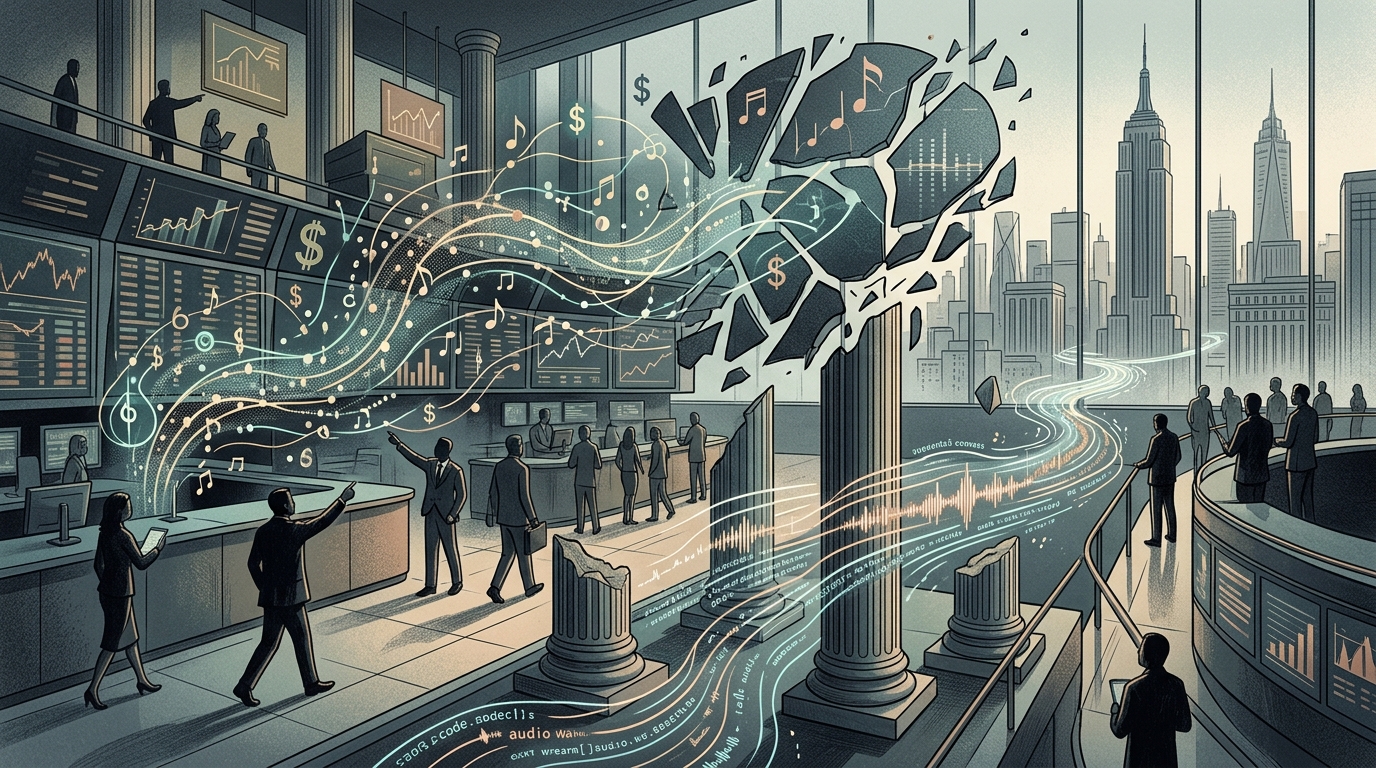
Furthermore, the pressure for constant output leads to creative stagnation. Critics argue that Drake has sacrificed depth for reach, trading cultural resonance for statistical superiority. Yet, from a business perspective, he is the ultimate victor. He has successfully commodified music into a high-frequency trading asset, where value is determined by clicks rather than enduring artistic impact.
The Future of the Music Business
As we move through 2026, the Drake Doctrine has become the blueprint for commercial success. Music is no longer an experience that demands our undivided attention; it is the background noise to our digital lives. Drake’s success demonstrates that streaming has not only changed how we consume music but also how music is composed, marketed, and valued. The lingering question is whether, in this relentless pursuit of numbers, there will be any room left for art that dares to be brief, focused, and—above all—human.