The global Artificial Intelligence (AI) market is currently undergoing one of the most dramatic reshufflings in its history. While Silicon Valley was until recently considered the undisputed sovereign, with companies like OpenAI, Google, and Anthropic setting the rules, the emergence of the Chinese firm DeepSeek has triggered an earthquake that extends far beyond code, reaching stock markets and geopolitical strategies. DeepSeek is not just offering another model; it is offering a radical challenge to the "high-cost" model that dominates the West.
The Efficiency Revolution and the Price War
DeepSeek’s core argument is simple yet devastating for its competitors: intelligence does not have to be expensive. With the release of the DeepSeek-V3 and subsequently the R1 model, the company proved it could match or exceed the performance of Silicon Valley’s flagship models (such as GPT-4o) at a fraction of the training and operational cost. While US giants spend hundreds of millions—if not billions—of dollars training their models, DeepSeek achieved comparable results for just $5.6 million.
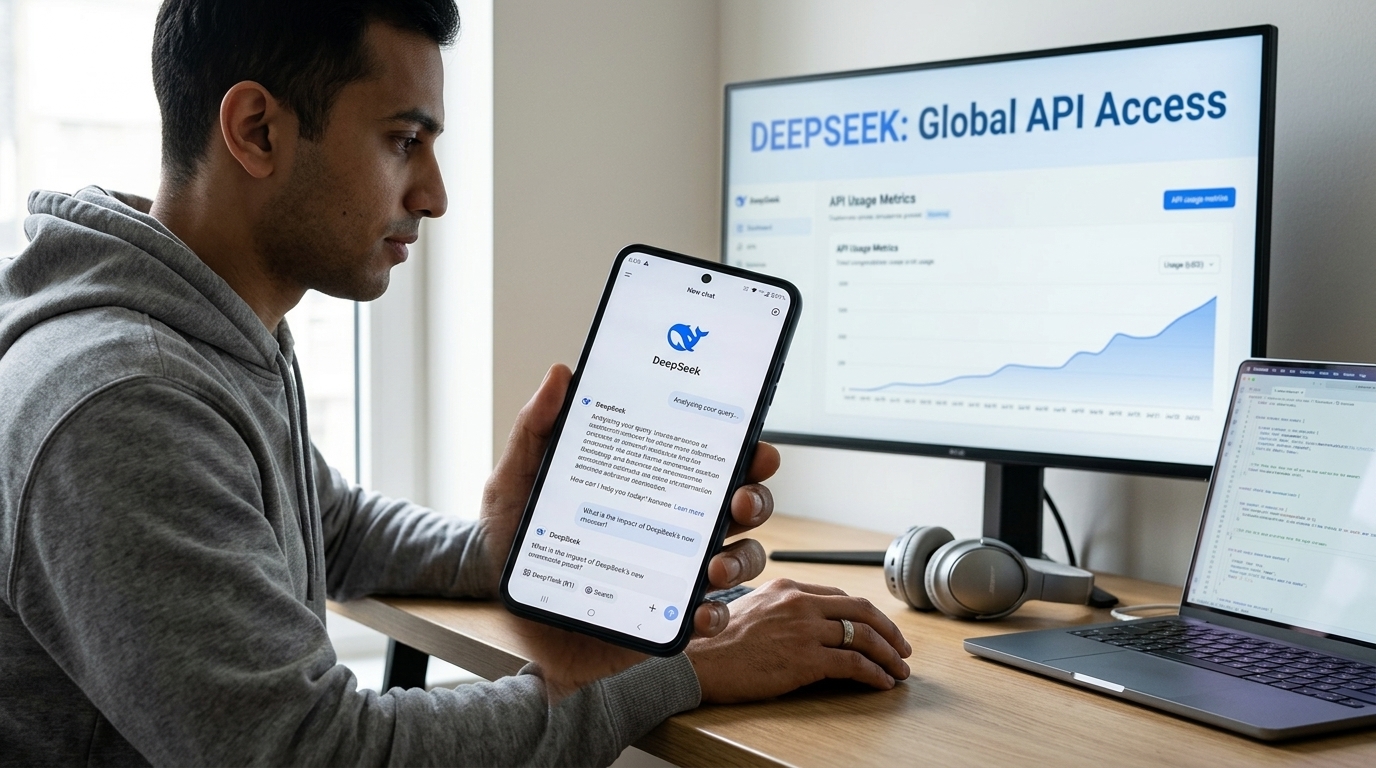
This discrepancy is not merely numerical; it is structural. DeepSeek utilized innovative architectures, such as Multi-head Latent Attention (MLA) and Mixture-of-Experts (MoE), to optimize resource utilization. This allowed the company to offer APIs at prices up to 20 times lower than those in Silicon Valley. For enterprises seeking to integrate AI into their operations, the choice between an expensive "closed" solution and an extremely cheap, efficient alternative is becoming increasingly obvious.
The Geopolitical Chessboard and the Irony of Sanctions
DeepSeek’s rise is even more significant when viewed against the backdrop of US sanctions. Washington has imposed strict limits on the export of advanced Nvidia chips to China, aiming to slow Chinese AI progress. However, it appears these restrictions acted as a catalyst for innovation through necessity. Denied access to unlimited compute power, Chinese engineers focused on software optimization, achieving more with less.
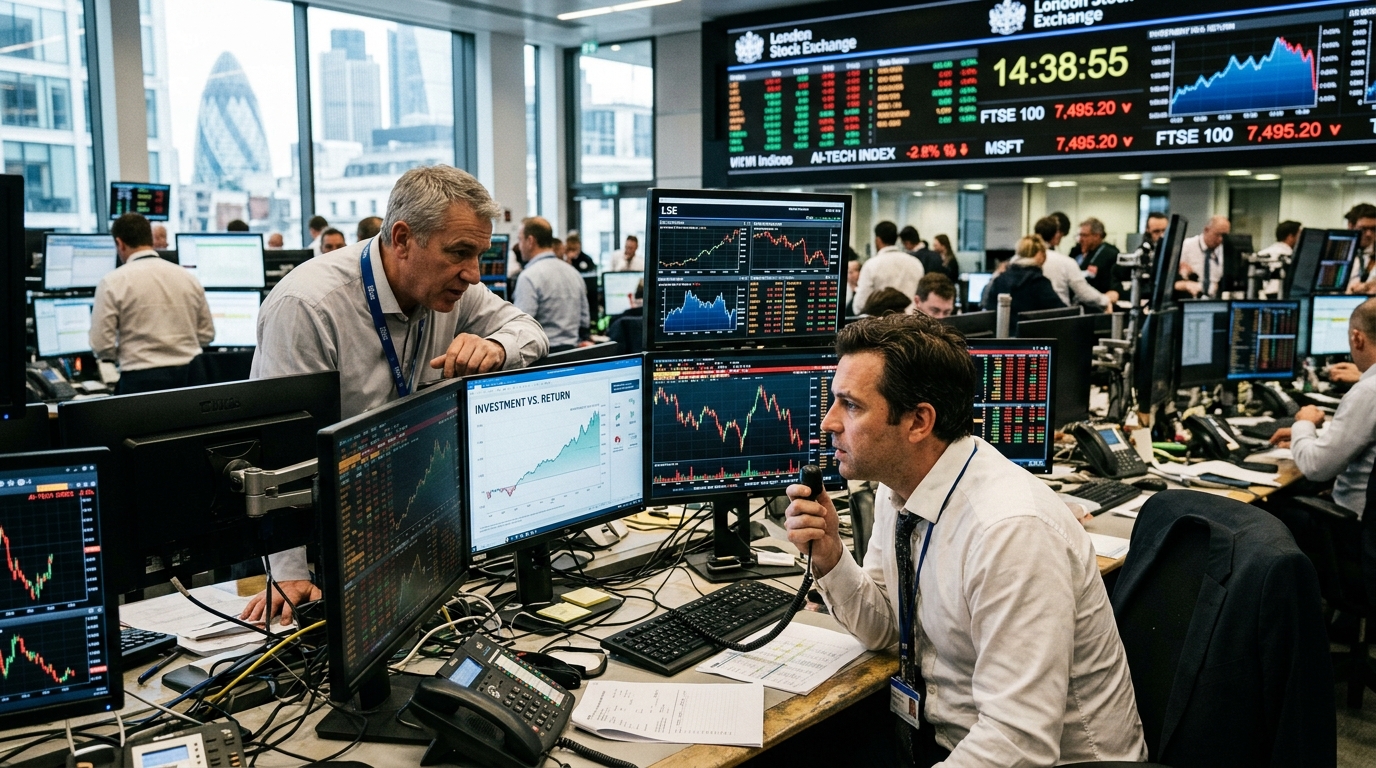
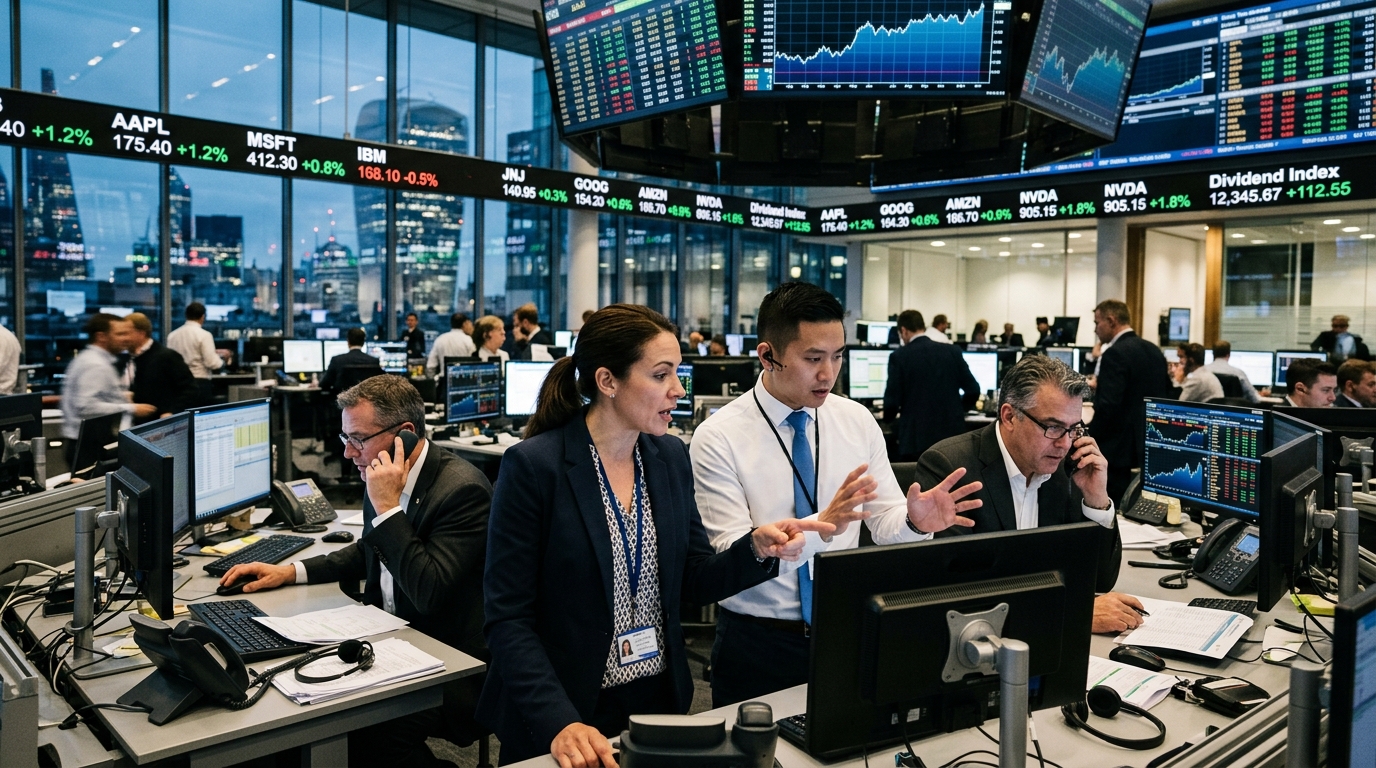
This creates a new reality: Silicon Valley may have the most chips, but China seems to be learning how to use them more intelligently. Market reaction was immediate, with Nvidia’s stock facing pressure as investors wonder if the era of reckless hardware spending is nearing its end. If AI can become a low-cost commodity, then the massive profit margins envisioned by Wall Street investors may never materialize.
Pressure on Big Tech and the Future of Open Source
American companies are now on the defensive. OpenAI and Microsoft are being forced to re-evaluate their pricing strategies, while Google struggles to balance revenue maintenance with the need to remain competitive. DeepSeek’s strategy of publishing technical reports and offering "open weights" bolsters the open-source movement, allowing developers worldwide to build on its technology without depending on the Silicon Valley ecosystem.
- Demystifying Cost: DeepSeek proved that training top-tier models doesn't require the budgets of small nations.
- Paradigm Shift: The focus is shifting from the quantity of data and chips to the quality of algorithms.
- Business Disruption: Startups that were merely "wrappers" around GPT-4 now face existential risks.
- Transparency: Publishing training methods forces the entire industry to become more transparent.
"DeepSeek didn't just change the game; it changed the field, the rules, and the very economics of intelligence."
In conclusion, DeepSeek’s move marks the end of the "romantic" period of AI, where market capitalization and hardware access were the only metrics of success. We are now entering a phase of harsh economic realism. Silicon Valley must prove that its added value justifies its higher cost, or it risks seeing its dominance evaporate in the face of Eastern efficiency.