In the commodities world, copper has long been known as 'Dr. Copper,' a metal with a PhD in economics due to its ability to predict global economic health. However, as of June 2026, the Doctor seems to have developed a digital obsession. The Artificial Intelligence (AI) boom has transformed the red metal into one of the most coveted assets, with investors betting heavily on the massive infrastructure required to power the next generation of computing. Yet, a recent analysis by StoneX issues a stark warning: the financial trade is moving at a velocity that physical industrial demand simply cannot match.
The Illusion of Immediate Scarcity
The core narrative driving the copper rally is straightforward: AI requires data centers, and data centers require copper. From generators and transformers to miles of specialized cabling and heat exchange systems, copper is the physical backbone of the digital revolution. However, StoneX points out that while the long-term structural trend is undeniably bullish, the short-term price surge is fueled more by speculative capital than by actual procurement orders from manufacturers.
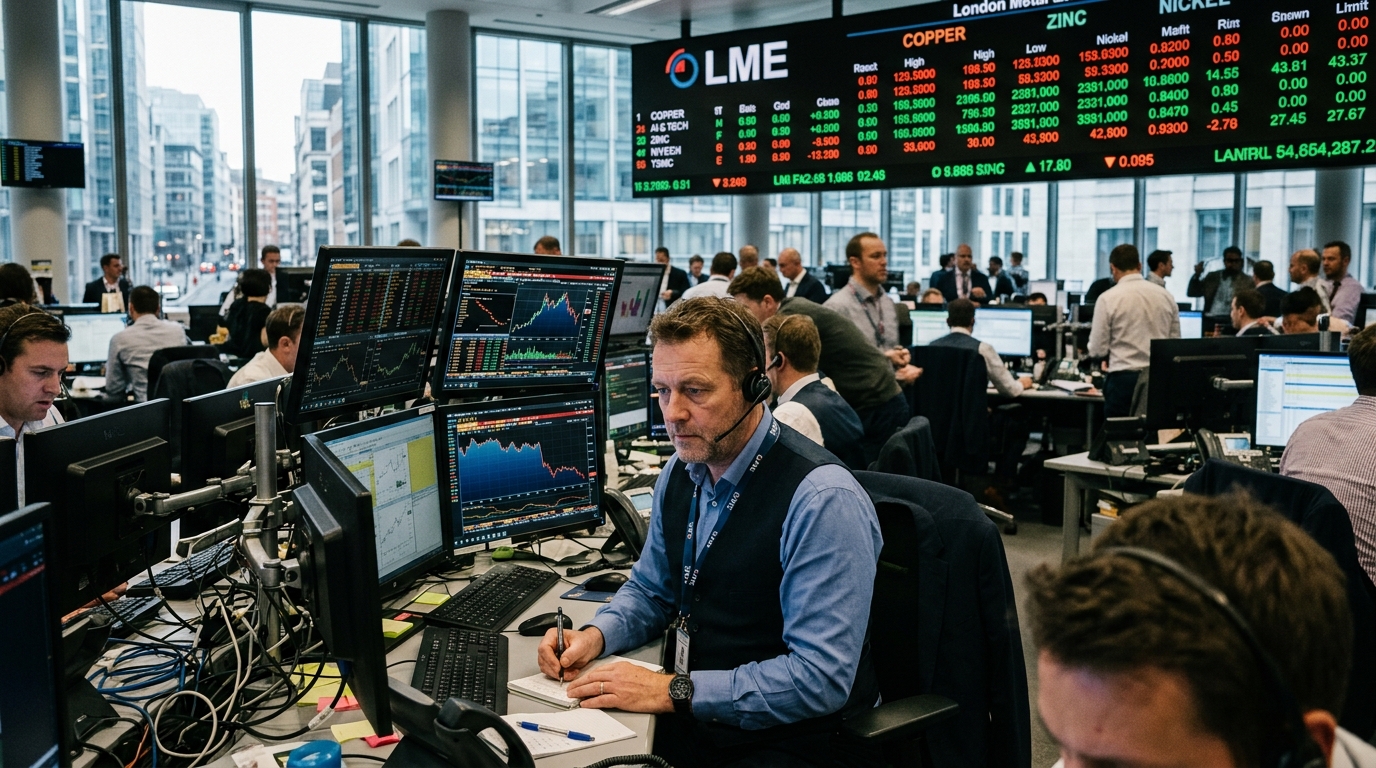
Analysts are observing a curious paradox: while prices on the London Metal Exchange (LME) and COMEX are hitting record highs, physical inventories in key regions remain relatively stable. This suggests that market 'bulls' are pricing in demand that may not materialize for another five to ten years, creating a dangerous disconnect from current economic realities, such as the sluggish construction sector in China and cooling manufacturing activity in parts of Europe.
Data Centers vs. The Green Transition
It isn't just AI. Copper sits at the nexus of a 'twin transition'—digital and green. An electric vehicle (EV) contains up to four times more copper than an internal combustion engine vehicle, while renewable energy sources like offshore wind farms require vast amounts of the metal for power transmission. The convergence of these sectors has created a 'perfect storm' for demand projections.
According to StoneX data, demand from data centers is expected to grow at an annualized rate of over 15% through 2030. However, current market pricing seems to assume that every planned project will be completed instantaneously. "The market is behaving as if every data center scheduled for 2028 has already been built today," the analysis notes. This exuberance risks a violent correction if physical consumption data fails to validate the high expectations of traders in the coming months.
Geopolitics and the Supply Constraint
If demand is one side of the coin, supply is the other, and it is equally fraught with difficulty. Copper mining is becoming increasingly complex and expensive. Existing mines in Chile and Peru are aging, ore grades are declining, and environmental regulations are tightening. It takes an average of 10 to 15 years to bring a new mine online, meaning supply cannot pivot quickly to meet sudden demand spikes.
This structural supply tightness provides the 'fuel' for speculators. They believe that even if AI demand is currently overestimated, the eventual shortage of the metal will be so acute that prices have nowhere to go but up. Nevertheless, StoneX warns that sustained high prices could trigger 'demand destruction,' where industries pivot to cheaper alternatives like aluminum, potentially capping copper's long-term dominance.
Conclusion: A Market Ahead of Itself
The current state of the copper market is a textbook example of how technological optimism can distort raw material valuations. AI will undoubtedly be a massive consumer of copper, but the road to that future is unlikely to be a straight line. Investors who ignore the fundamentals of the physical market in favor of the 'AI story' risk being caught in a market that has run too far, too fast.