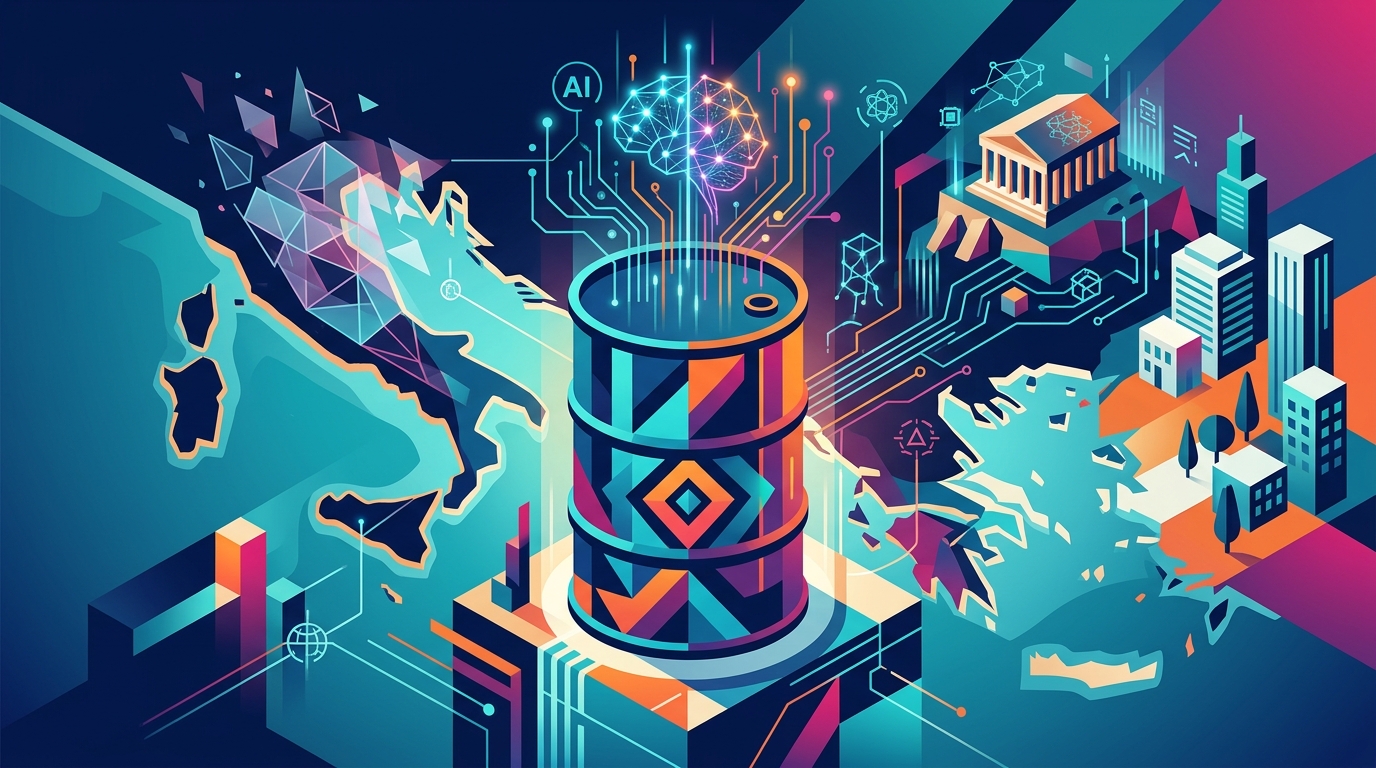
In an era where technological evolution moves at a pace that often exceeds human comprehension, Dimitris Dimitriadis, one of Greece's most influential futurists, presents a prediction that reshapes our understanding of the future. His central thesis, recently articulated, is clear: Artificial Intelligence (AI) is no longer an exotic technology or a privilege for the few; it is a "General Purpose Technology" (GPT) that will eventually become as ubiquitous and essential as electricity.
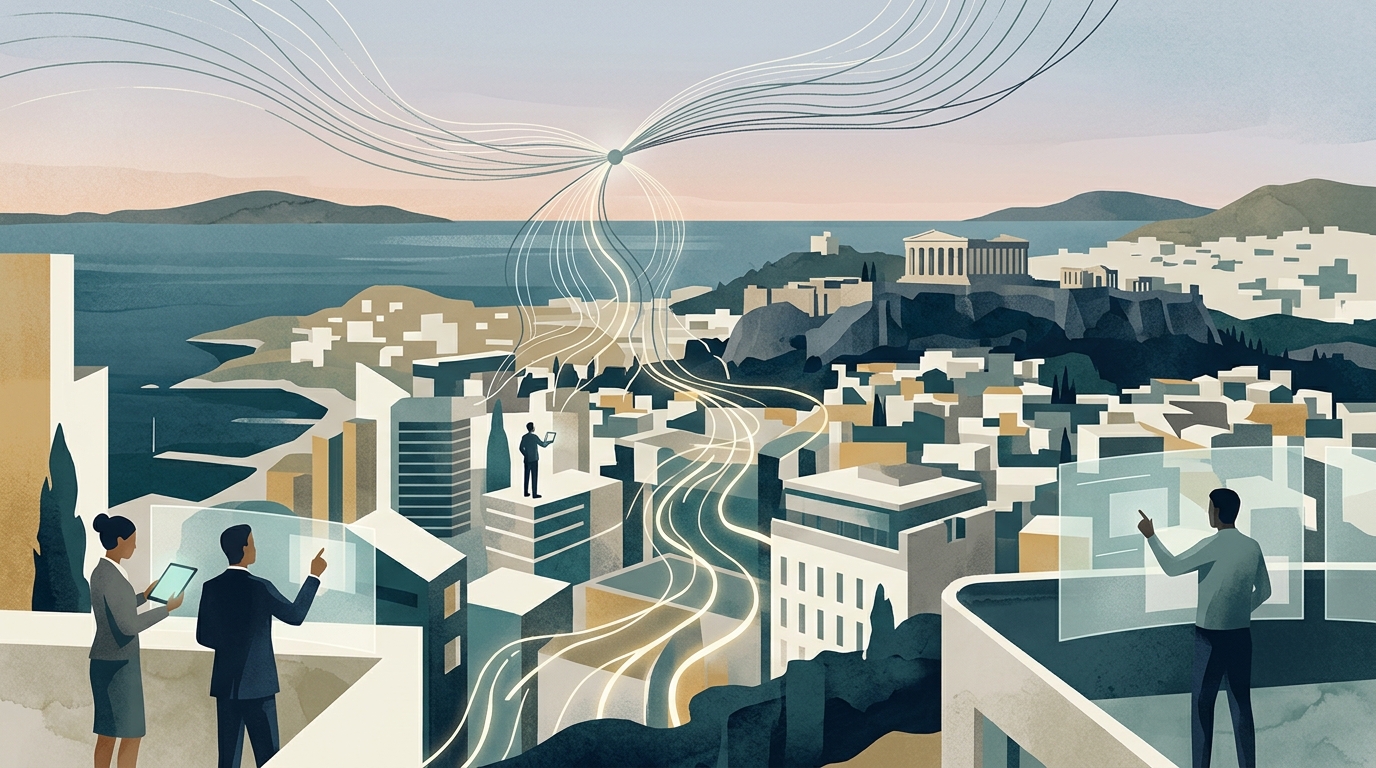
This comparison is not accidental. Just as electricity in the late 19th century transformed every aspect of human activity—from industrial production to domestic life—AI is expected to form the "backbone" of the new digital economy. It is not merely an app on our smartphones, but the invisible layer of intelligence that will power our cities, our hospitals, and the way we work.
From Luxury to Universal Infrastructure
Mr. Dimitriadis emphasizes that we are at a tipping point where AI ceases to be the object of interest and becomes the medium. In the past, companies advertised their use of electricity to demonstrate modernity. Today, no company does this because electricity is taken for granted. The same will happen with AI. In a few years, asking "do you use Artificial Intelligence?" will sound as absurd as asking "do you have lights in your office?"
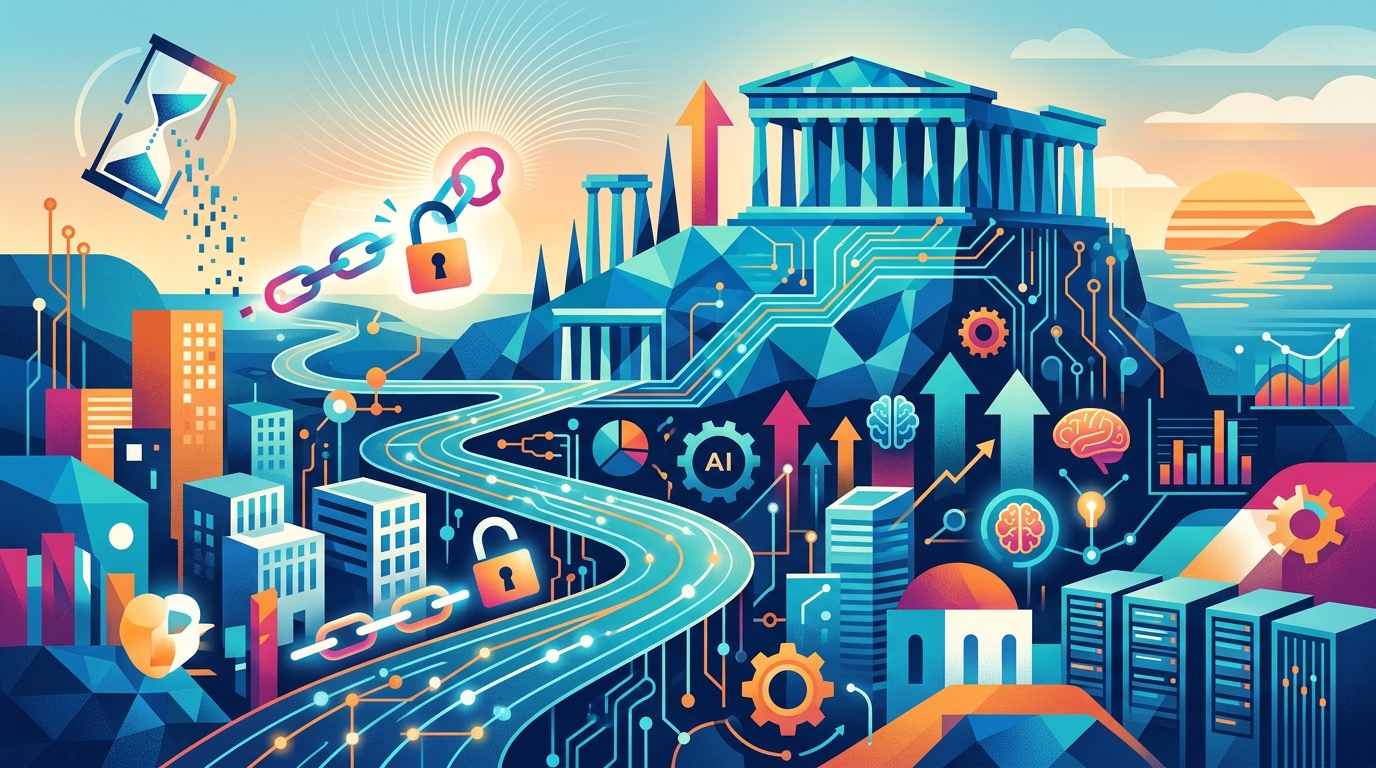
This transition to "invisible" AI means that the technology will be fully integrated into infrastructure. For Greece, this represents both a massive challenge and a unique opportunity. The country, which often followed industrial revolutions with a delay, now has the chance to "leapfrog" stages and adopt solutions that will improve the state apparatus and the productivity of small and medium-sized enterprises (SMEs). Dimitriadis points out that the democratization of access to powerful computational models allows even a farmer in Crete or a merchant in Athens to access tools previously available only to Silicon Valley giants.
The Labor Market Revolution and the Skill of 'Adaptation'
One of the greatest concerns accompanying the rise of AI is job displacement. However, Dimitriadis's approach is more nuanced. We are not talking about the end of work, but its radical redefinition. Just as electricity did not abolish labor but replaced manual strength with machines, AI will take over repetitive cognitive tasks, freeing humans for more creative and strategic activities.
- Reskilling: The need for continuous learning becomes the new norm.
- Human-Machine Collaboration: The ability to provide correct instructions (prompting) to an AI system will be as fundamental as reading and writing.
- Focus on 'Soft' Skills: Critical thinking, empathy, and ethical judgment remain exclusively human domains.
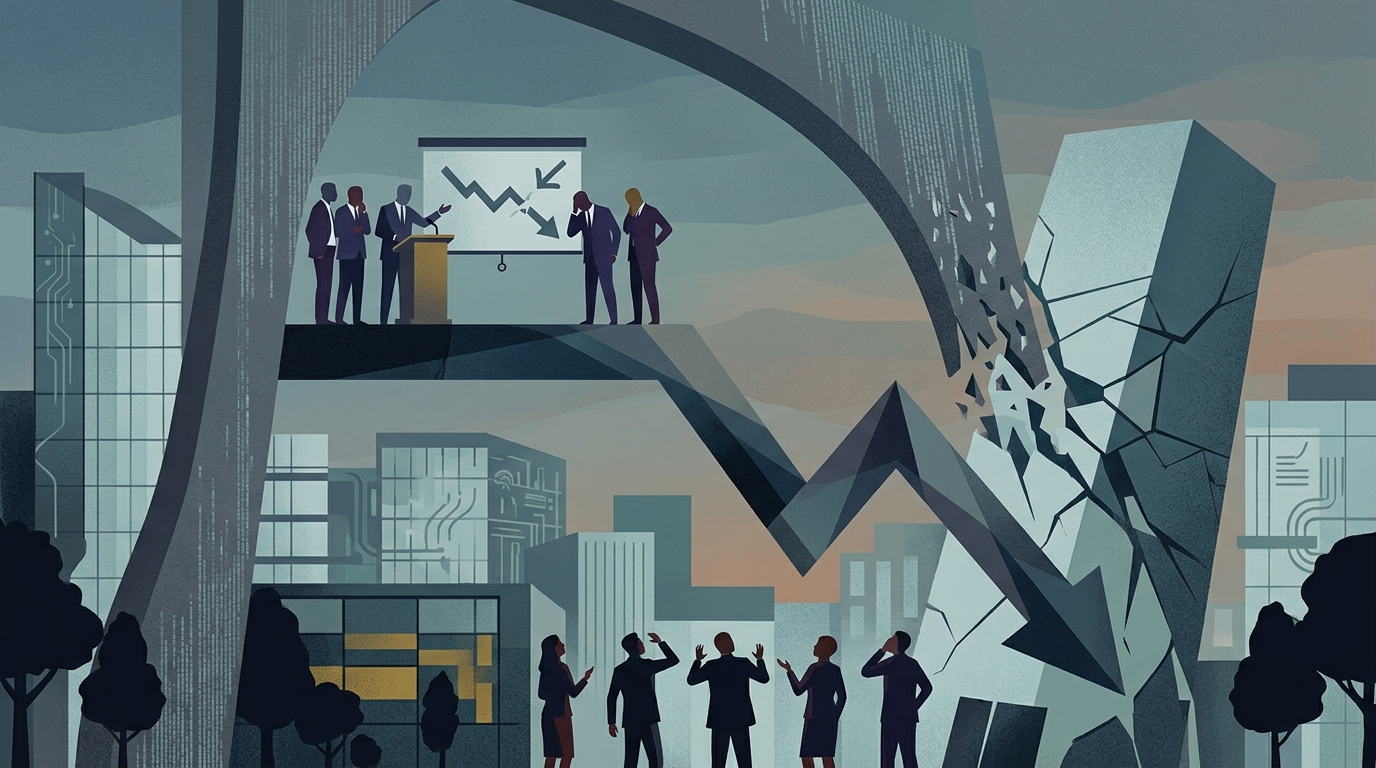
The futurist stresses that the greatest threat is not AI itself, but our reluctance to adapt. In a world moving at the speed of light, stagnation is the only guaranteed failure.
Ethics, Governance, and Greece's Future
Concluding his analysis, Dimitris Dimitriadis refers to the critical issue of ethics. If AI is the new electricity, then we need an "electrician's code"—a regulatory framework that ensures the technology is used for the common good. The European Union, with the AI Act, is taking the first steps, but the challenge remains: how do we regulate innovation without stifling it?
"Artificial Intelligence will be the great accelerator. Anyone who ignores it will be left in the dark, just like those who refused to bring electricity into their factories a century ago."
For Greece, the stakes are national. Integrating AI into education, healthcare, and justice can solve decades-old pathologies. Dimitriadis calls on us to view AI not as an external enemy, but as a new form of energy that, if harnessed correctly, can illuminate a new chapter of prosperity for the country.