In a period where the global economy is striving to balance inflationary pressures with the need for sustainable growth, Coca-Cola HBC (Hellenic Bottling Company) has once again demonstrated its ability to navigate uncharted waters. The recently announced results for the first quarter of 2026 show an impressive 11.6% increase in organic revenue, highlighting the momentum of a portfolio that has long ceased to be just about soft drinks.
The Strategy of Premium Growth
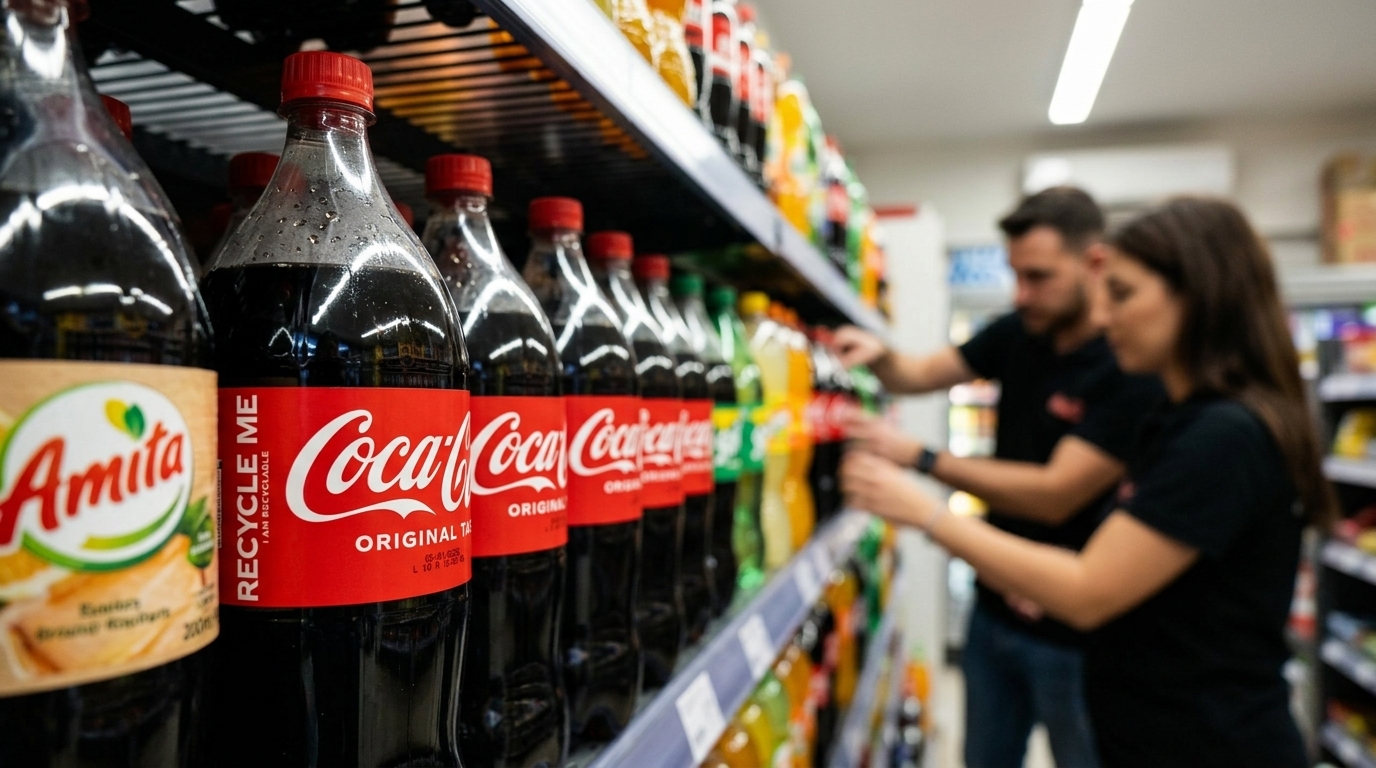
The revenue jump was not merely the result of increased consumption but a carefully designed "price-mix" strategy. The company managed to pass on part of the production costs to prices without hurting demand, while simultaneously investing in premium categories. The energy drinks sector (Monster Energy) and coffee (Costa Coffee) continued to show double-digit growth rates, confirming the group's shift to the "24/7" model — offering a product for every moment of the day.
- 11.6% organic revenue growth at the group level.
- Strong performance in emerging markets despite currency challenges.
- Significant strengthening of market share in Non-Alcoholic Ready-To-Drink (NARTD) beverages.
Greece as a Pillar of Stability
The performance in the Greek market is of particular interest. Greece, which serves as the group's historical base, recorded strong double-digit revenue growth, aided by the early start of the tourist season and enhanced domestic consumption. Coca-Cola HBC Greece's ability to penetrate "out-of-home" consumption channels (HoReCa) proved decisive. Strategic partnerships with local producers and investment in sales digitalization have made the Greek subsidiary a model for other markets in the group.
"Our performance in the first quarter reflects the strength of our execution and the quality of our portfolio. We remain committed to our 2026 targets despite the volatile macroeconomic environment," the group's management stated.
Challenges and Outlook for 2026
Despite the euphoria of the numbers, the road is not without obstacles. Raw material prices, particularly sugar and aluminum, remain at high levels, while energy costs continue to affect profit margins. However, Coca-Cola HBC has invested significantly in energy efficiency and plastic reduction, moves that not only improve its environmental footprint but also reduce long-term operating costs. The confirmation of full-year targets shows a management team that feels confident in consumer resilience, even as disposable income is squeezed by general inflation.
The Importance of Digital Transformation
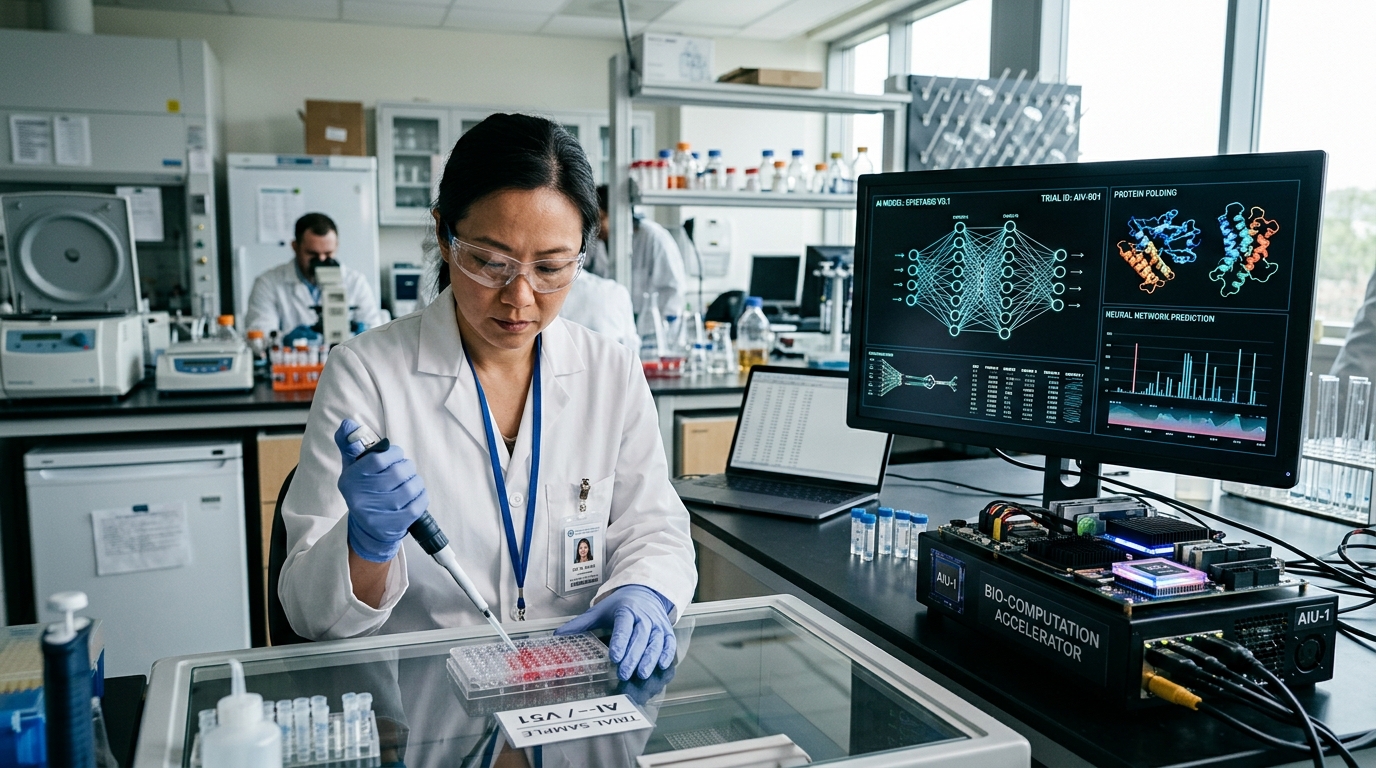
One of the unsung heroes of this success is the B2B "Customer Portal" platform, which allows retailers to order products based on real-time data analytics. This use of Artificial Intelligence in the supply chain has reduced shelf stockouts and optimized distribution routes, contributing directly to profitability. Coca-Cola HBC is no longer just a bottling company, but a technologically advanced logistics and marketing organization.