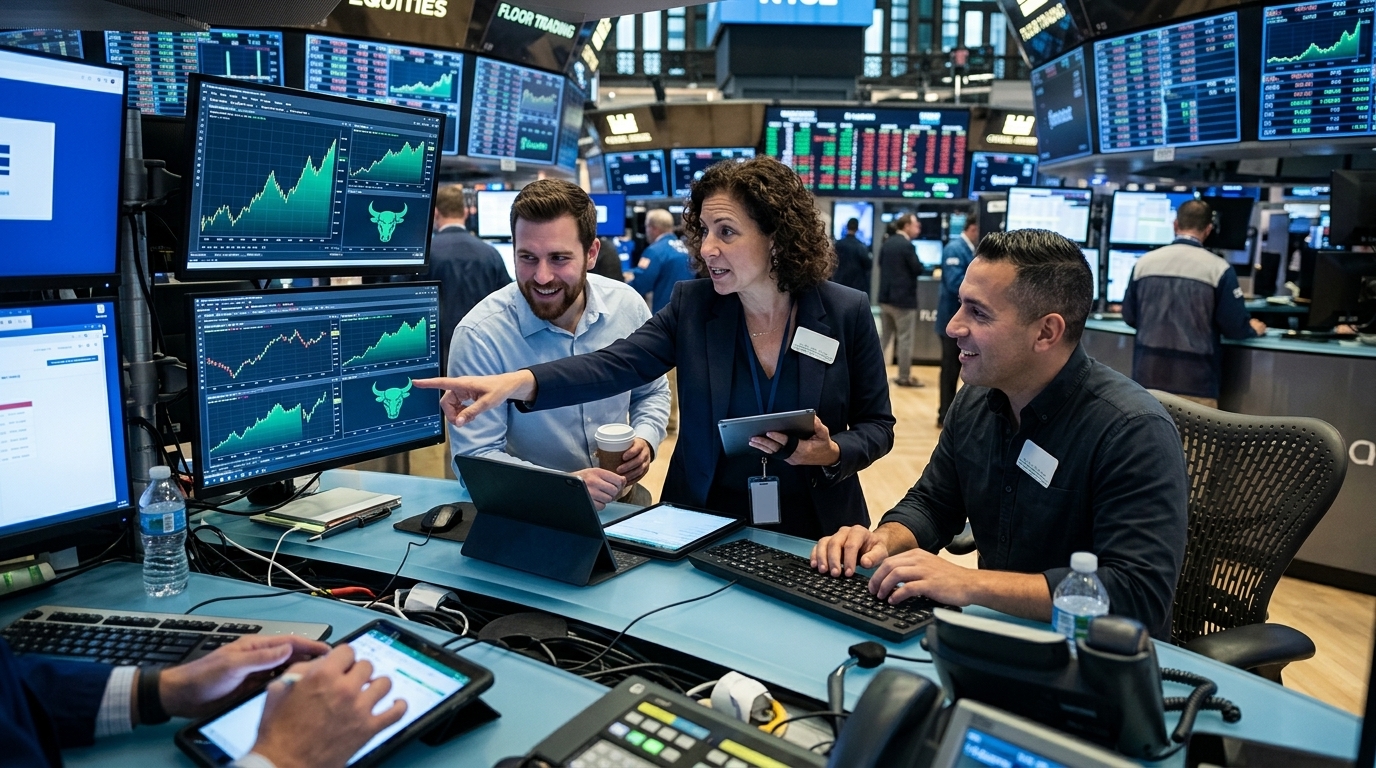
As we navigate through May 2026, the sentiment in global markets appears to be shifting dramatically, leaving behind the hesitations of previous years. Goldman Sachs, one of the most influential pillars of the global financial system, has signaled a new era of euphoria, revising its forecasts for the S&P 500. The estimate for a surge of up to 17% within the current year is not just a number; it is a vote of confidence in the structural change that Artificial Intelligence is bringing to the global economy.
The Goldman Sachs Pivot and the New Narrative
For a long time, analysts remained cautious, fearing the impact of high interest rates and the possibility of a "bubble" in the technology sector. However, data from the first half of 2026 is overturning these fears. David Kostin, Chief Equity Strategist at Goldman Sachs, points out that corporate profitability is no longer driven solely by cost-cutting, but by substantial increases in productivity. The integration of LLMs (Large Language Models) into internal business processes has begun to bear fruit, drastically reducing execution times and improving profit margins.
The 17% forecast is based on a scenario where inflation remains under control, allowing the Federal Reserve to continue its policy of gradual interest rate cuts. This "Goldilocks scenario" —not too hot, not too cold— creates the ideal environment for equities, as borrowing costs decline while demand remains robust.
AI as a Catalyst for Real Value
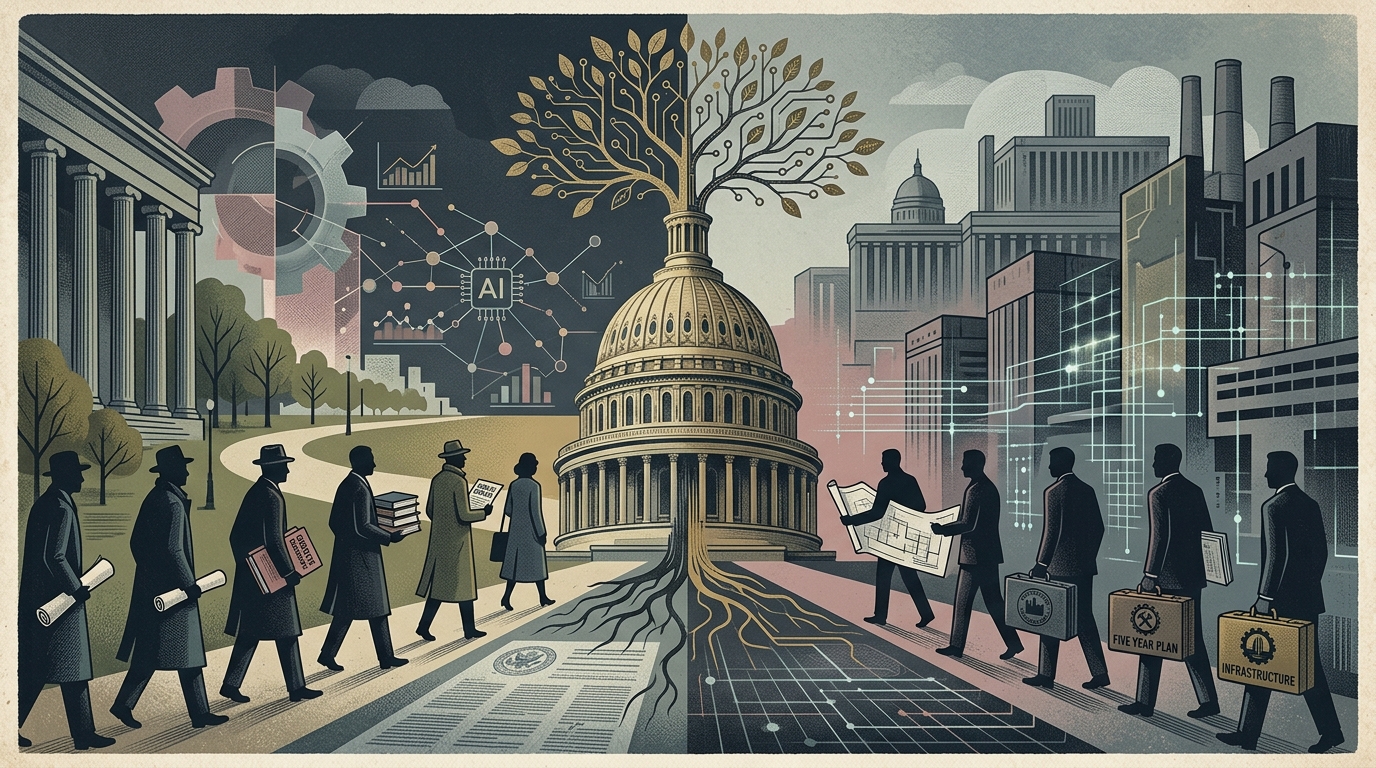
Unlike the dot-com bubble of 2000, the current rise is supported by strong balance sheets. Tech giants, the so-called "Magnificent Seven," have proven that AI is not a theoretical promise but a cash-generating machine. 2026 marks the milestone year where AI moves from the infrastructure stage (chips and cloud) to the application stage (software and services).
- Margin Expansion: Automation of complex tasks allows companies to maintain profitability even in environments with rising labor costs.
- Market Breadth: While the rally began with Nvidia and Microsoft, we are now seeing momentum spread to sectors like healthcare, energy, and construction.
- Share Buybacks: Excess capital is being returned to shareholders at a rapid pace, supporting stock prices.
Goldman Sachs argues that if productivity growth continues at its current pace, the S&P 500 could exceed even the most optimistic forecasts, reaching levels that seemed unthinkable two years ago.
Macroeconomic Stability and Geopolitical Risks
Of course, no forecast is without risk. Wall Street is closely monitoring geopolitical developments, especially US-China relations and the situation in Europe. However, the US economy is showing remarkable resilience. The labor market remains tight, and consumption, which accounts for 70% of US GDP, shows no signs of fatigue. Goldman Sachs estimates that the risk of recession for the next 12 months has dropped to 15%, a figure that reassures investors.
The Investor's Conclusion
The return of bullish forecasts signals a new phase in the investment cycle. This is no longer a market driven by Fear Of Missing Out (FOMO), but a market driven by fundamentals. Investors are called to balance optimism with caution, recognizing that the technological revolution we are experiencing is the driving force behind the new economic reality. 2026 promises to be the year Wall Street vindicates those who believed in the long-term potential of innovation.