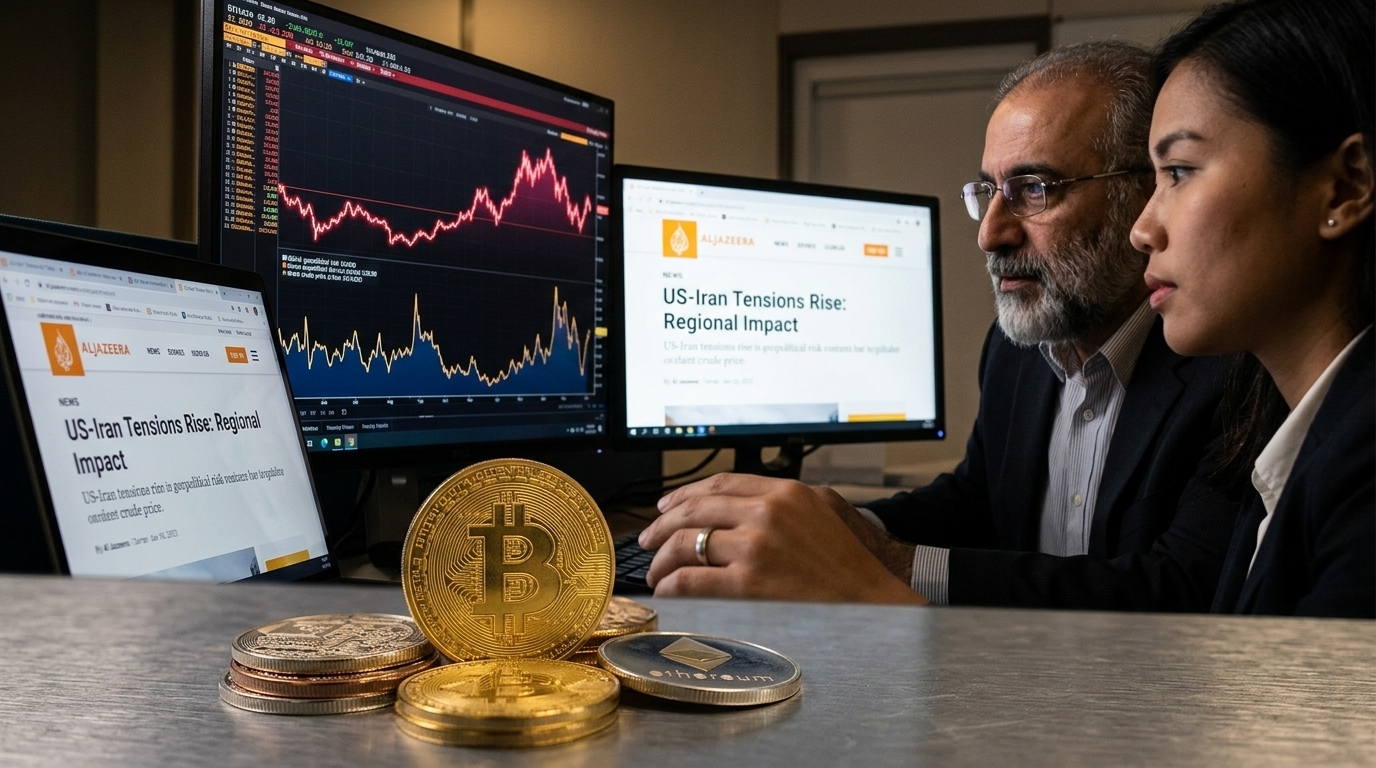
In an era where geopolitical clouds are thickening over the Strait of Hormuz, financial history seems to be writing a new chapter. The recent escalation of tensions between the United States and Iran, which would traditionally send investors flocking toward physical gold and government bonds, has revealed an unexpected shift: Bitcoin and Ether are not only holding their ground but are emerging as the new pillars of stability in a volatile global landscape.
The Unexpected Retreat of Gold
For decades, gold has been the ultimate sanctuary during times of armed conflict. However, in the current crisis of July 2026, we are witnessing a paradoxical retreat in precious metal prices. Analysts attribute this movement to several factors, primarily the need for liquidity. When institutional investors face margin calls in other sectors due to geopolitical uncertainty, they often liquidate gold to cover their positions. Simultaneously, the high cost of storing and transporting physical gold in a region on the brink of conflict makes the metal less 'agile' than its digital competitors.
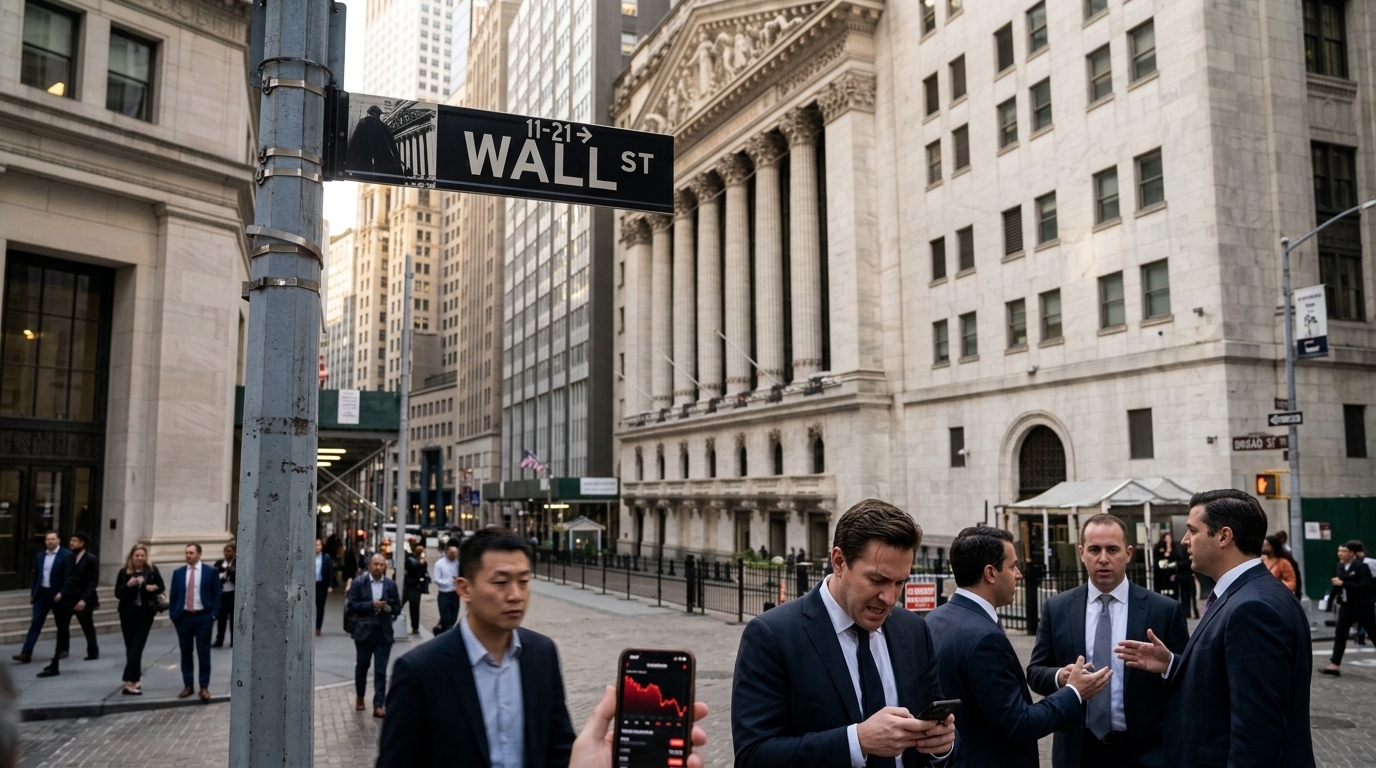
"The market is no longer just looking for safety, but for speed. In a crisis that unfolds in seconds through cyberattacks and drones, gold feels analog in a digital war," noted Wall Street sources.
Bitcoin as a Mature Asset Class
Bitcoin's stability above critical support levels, despite threats to close maritime trade routes, suggests a profound shift in market psychology. It is no longer the speculative asset of the past. The maturation of the market through the Spot ETFs approved in previous years has created an institutional 'cushion.' Major investment banks and pension funds now hold Bitcoin as part of their risk diversification strategy. Unlike oil, whose price skyrockets due to fears of supply disruption, Bitcoin is immune to the physical blockade of geographic regions.
The Geopolitics of Decentralization
The US-Iran escalation also highlights the importance of network neutrality. In an age where economic sanctions are used as a weapon (the weaponization of finance), the decentralized nature of blockchain offers an alternative path. For citizens in affected regions, cryptocurrencies are not just an investment but a tool for survival and preserving purchasing power against the collapse of local currencies. Bitcoin functions as a global, non-state system for transferring value that cannot be 'shut down' by any government, making it the ideal asset for a multipolar and confrontational world.
- Independence from central banks and state policies.
- Instant 24/7 liquidity, without the limitations of traditional stock exchanges.
- Impenetrable security through cryptography, regardless of the holder's geographic location.
- Limited supply that protects against inflation caused by military spending.
Conclusions and Outlook
As we move into the second half of 2026, the dynamic between Bitcoin and geopolitics will continue to evolve. The current resilience of the cryptocurrency against the dip in gold may be the definitive signal for 'The Great Rotation.' If Bitcoin manages to maintain this stability throughout the Gulf crisis, it will have rightfully earned the title of the ultimate safe haven for the 21st century. Investors are now prompted to ask not whether Bitcoin is dangerous, but whether it is more dangerous to hold no digital assets at all in a world on fire.