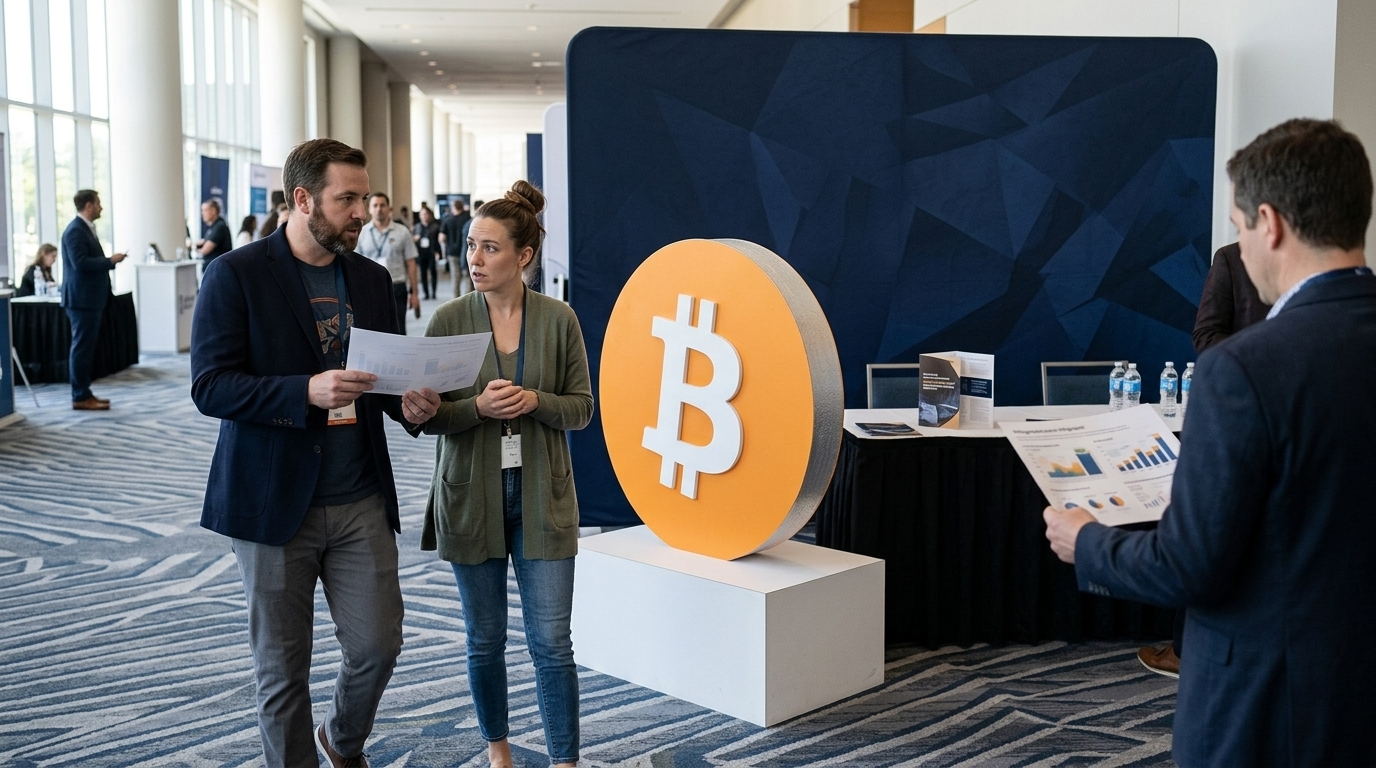
The geopolitical chessboard of the Middle East has once again proven that digital assets are not immune to the tremors of the physical world. Last Tuesday, reports of exchanged air strikes between U.S. forces and Iranian targets acted as a catalyst for a sharp correction in the cryptocurrency market. Bitcoin, which many of its proponents were quick to label as the "digital gold" of the 21st century, saw its value retreat significantly, while the U.S. dollar and traditional gold recorded gains.
The Collapse of the 'Safe Haven' Narrative
For years, the crypto community has cultivated the idea that Bitcoin represents an asset "decoupled" from the traditional financial system and geopolitical crises. The theory was simple: in times of war or economic uncertainty, investors would flee to a decentralized currency controlled by no central bank. However, the events of July 7, 2026, debunked this expectation in the most emphatic way possible.
As soon as reports of military action were confirmed, a massive flight from high-risk assets (risk-off sentiment) was observed. Bitcoin did not behave like gold; it behaved like a high-volatility tech stock. Liquidations cascaded as institutional investor algorithms are programmed to withdraw capital from volatile assets during moments of absolute uncertainty. The decline was not limited to Bitcoin; Ethereum and other altcoins posted even larger losses, highlighting the sector's vulnerability to systemic shocks.
Dollar Dominance and Energy Uncertainty
One of the primary reasons for the pressure on Bitcoin was the immediate strengthening of the U.S. Dollar Index (DXY). During times of armed conflict, the dollar remains the undisputed king of liquidity. As the dollar rises, assets priced in it tend to fall. Furthermore, tension in the Persian Gulf always raises concerns about energy prices. Bitcoin, as a network relying on energy consumption for mining (Proof of Work), is indirectly affected by electricity costs and fuel supply chain disruptions.
"The crypto market is still viewed by major players as a liquidity experiment rather than a store of value," market analysts noted.
The market reaction shows that despite the influx of institutional investors via ETFs, Bitcoin remains tightly coupled with global liquidity conditions. When central banks and governments prepare for the worst-case scenario, the priority is cash and government bonds, not digital codes.
Institutional Maturity or Systemic Dependency?
This drop raises questions about the future of cryptocurrency adoption. If Bitcoin fails to protect investors in a moment of geopolitical crisis, what is its actual role? Some analysts argue that this decline is part of the market's "maturation." With Wall Street's entry, Bitcoin has become part of the broader investor portfolio, meaning it now behaves like every other asset class under stress.
- Institutional investors use Bitcoin for speculation, not as a wartime store of value.
- Liquidity on crypto platforms can dry up quickly when banks limit risk exposure.
- Mass psychology remains the dominant price-setting factor in the industry.
In conclusion, the US-Iran crisis served as a harsh reality check. The dream of a financial system that operates parallel to and independent of the spheres of influence of major powers remains, for now, a dream. In practice, when missiles fly, investors return to traditional values that have been tested for centuries.