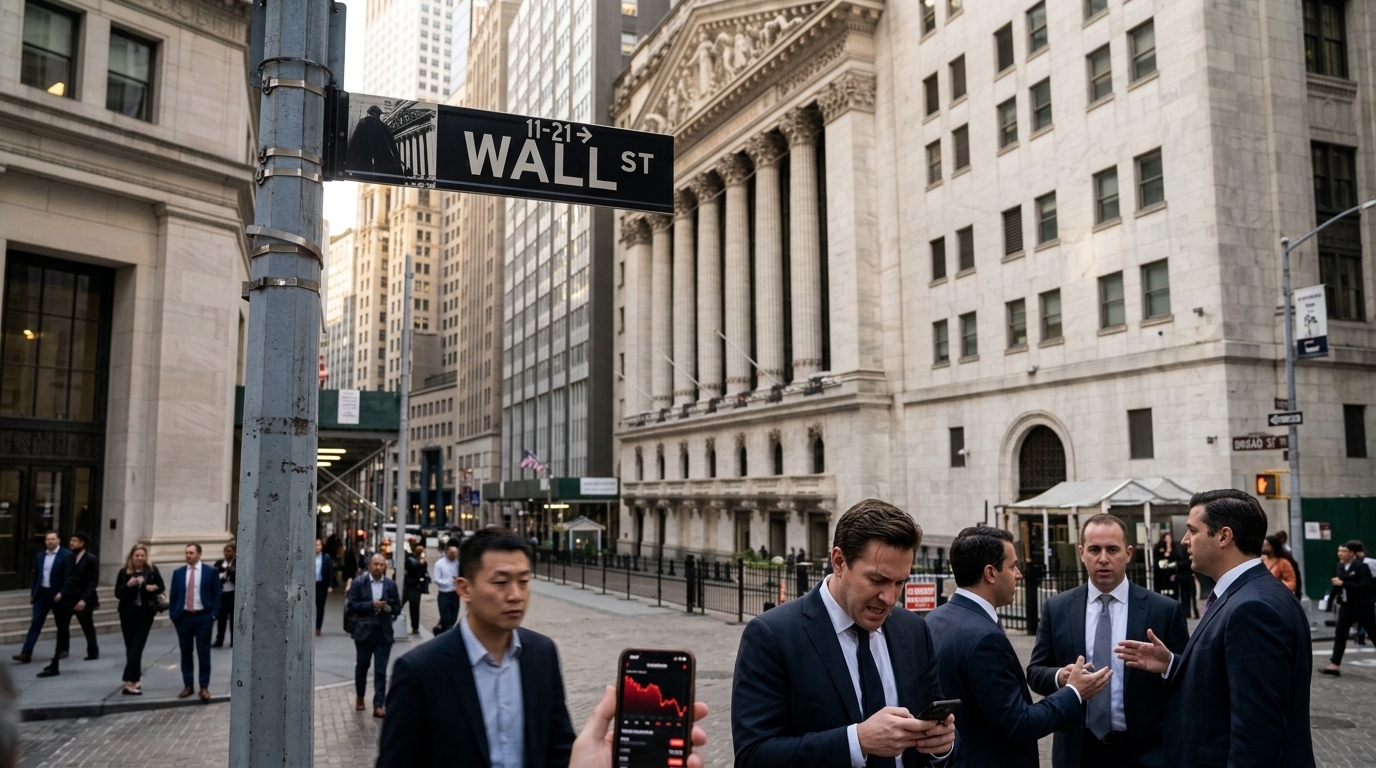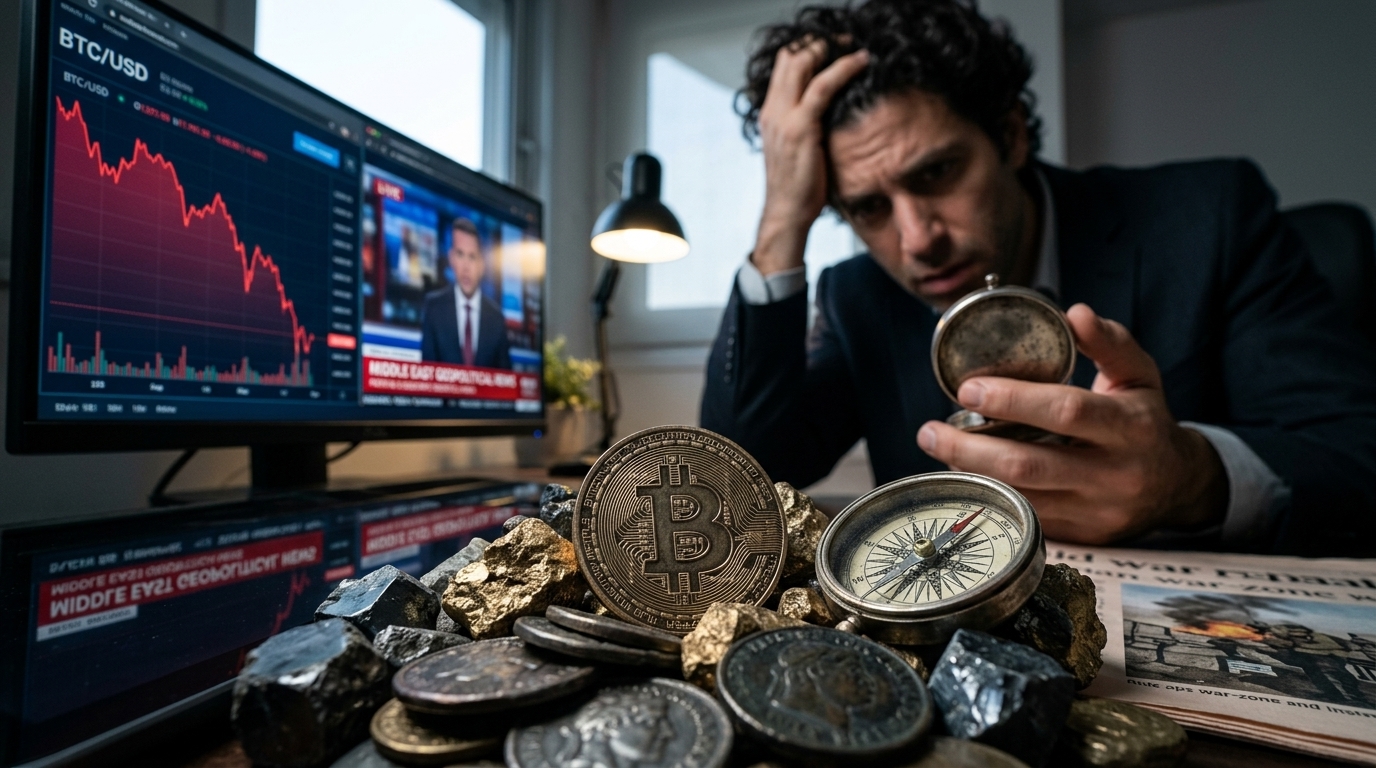
The cryptocurrency market faced a severe wave of pressure over the last 24 hours, with Bitcoin sliding below the psychological and technical threshold of $63,000. This retreat is not an isolated technical correction but the direct result of escalating geopolitical uncertainty in the Middle East, which has sent shivers through global investors. The exchange of strikes between Iran and Israel created a "risk-off" sentiment, directly impacting high-risk assets.
Geopolitical Tension as a Divestment Catalyst
For years, Bitcoin proponents have marketed it as "digital gold," a safe haven in times of crisis. However, recent market behavior demonstrates that during periods of immediate military conflict, Bitcoin still behaves more like a high-growth tech stock than a safe-haven commodity. Investors, fearing a broader conflict that could impact energy prices and global supply chains, rushed to liquidate crypto positions to secure dollar liquidity or pivot toward traditional gold.
The nervousness intensified following reports of new strikes, leading to a domino effect of liquidations in the futures market. When the price breached the $64,500 level, automated stop-loss orders were triggered, accelerating the decline toward $62,800. This volatility highlights the fragility of the current rally, which had been largely fueled by ETF optimism and the recent halving cycle context.
The Connection with Asian Markets and the Korean Shock
Alongside developments in the Middle East, Asian markets added further weight to the selling pressure. South Korean equities recorded significant losses, with the KOSPI index under intense pressure. South Korea is one of the world's most significant hubs for retail cryptocurrency trading. When the local stock market falters, Korean investors often feel compelled to sell their crypto holdings to cover margin calls in their traditional portfolios.
This phenomenon, often described as panic-induced portfolio rebalancing, transferred the crisis from traditional equities to digital assets. The correlation between Bitcoin and global equity indices remains high, debunking—at least in the short term—the narrative of "decoupling" from the traditional financial system. The "Kimchi Premium" also saw significant fluctuations, reflecting the local retail panic.
Technical Support Levels and Institutional Stance
From a technical perspective, staying below $63,000 puts the next line of defense at $60,000 in jeopardy. Analysts point out that if Bitcoin fails to quickly reclaim the $65,000 level, the corrective move could extend further. However, there is another side to the story: institutional investors. While retail investors flee due to news-driven fear, large-scale capital holders (whales) and ETF issuers appear to be viewing the dip as a buying opportunity at lower price points.
The long-term outlook remains heavily influenced by Federal Reserve decisions regarding interest rates. The geopolitical crisis complicates the Fed's task, as potential spikes in oil prices could reignite inflation, delaying much-anticipated rate cuts. In a "higher-for-longer" interest rate environment, Bitcoin is challenged to prove its resilience against a strengthening US Dollar.
The Future of the Market in a Multipolar World
As June 2026 unfolds, it is becoming clear that cryptocurrencies do not operate in a vacuum. Their integration into the global financial system means they are now vulnerable to the same macroeconomic and geopolitical forces that affect oil or gold. The market is now looking toward the next steps of diplomacy in the Middle East. A de-escalation could lead to a swift rebound, while further deterioration will test the limits of the digital economy.
- Support at $60,000 is considered vital for maintaining the year's bullish momentum.
- Trading volume surged by 30% during the drop, indicating high activity and forced liquidations.
- Altcoins took an even harder hit, with many losing over 10% of their value in a few hours.
In conclusion, Bitcoin's current retreat is a reminder that technology cannot eliminate geopolitical risk. The market is in a maturation phase where volatility remains its primary characteristic, especially when the drums of war beat in strategically critical regions. The coming days will be a litmus test for the "store of value" narrative.