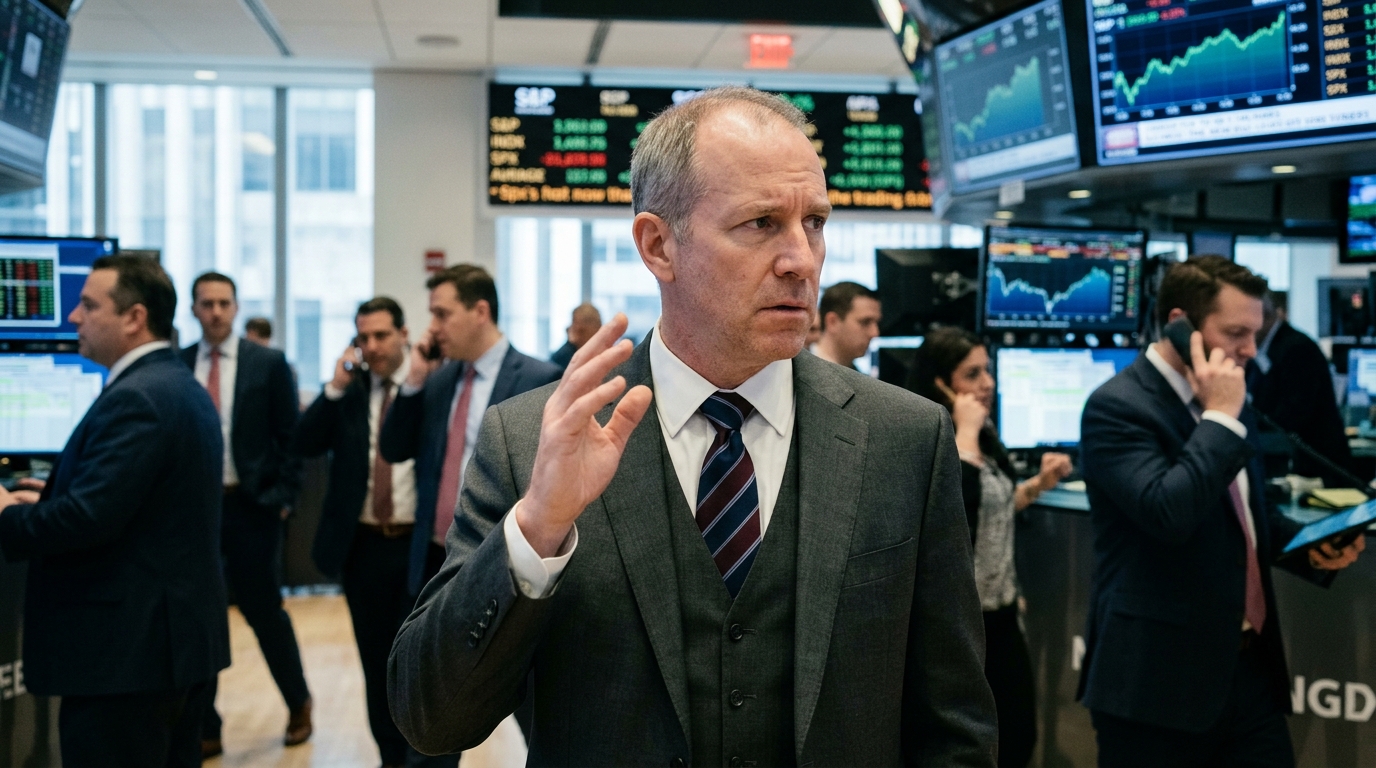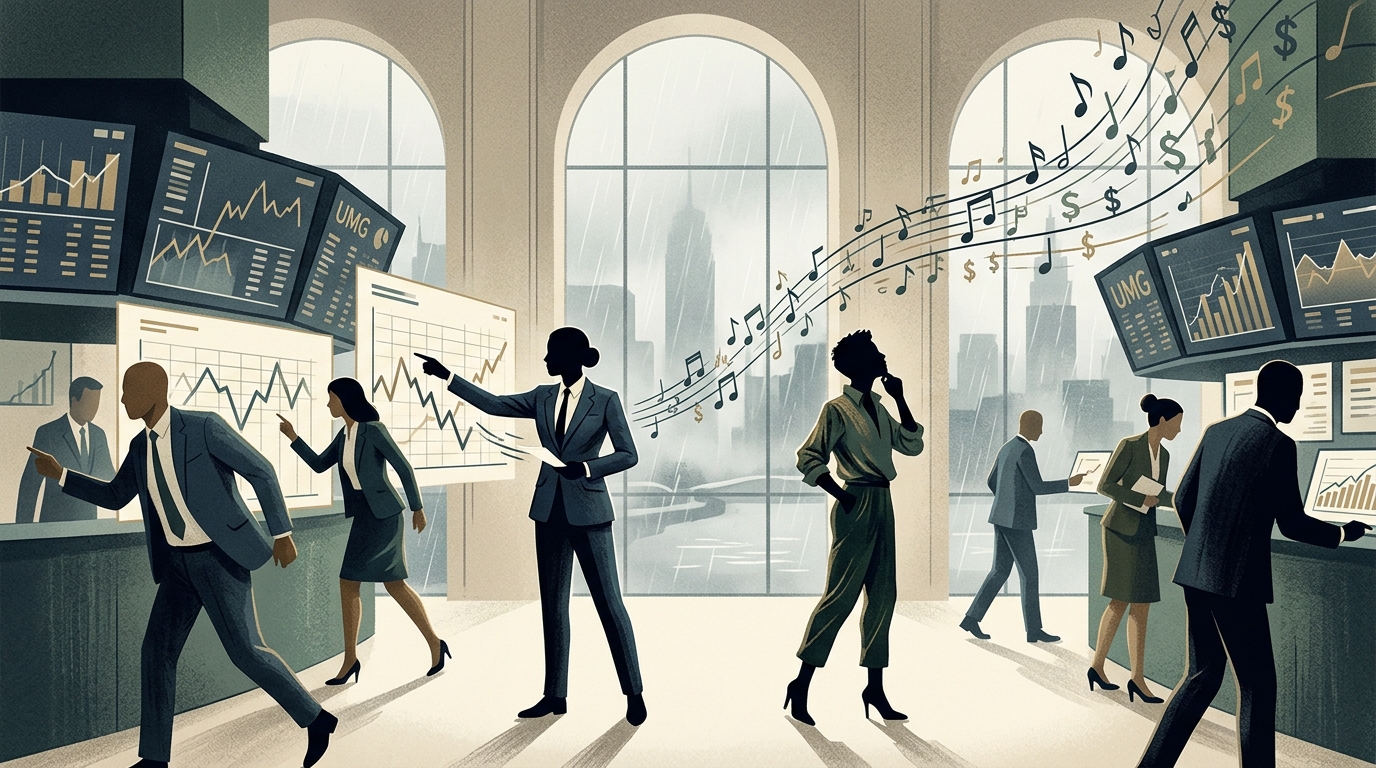
The music industry is at a strange crossroads. On one hand, music consumption is at an all-time high thanks to streaming platforms. On the other, major record labels, led by Universal Music Group (UMG), are facing a crisis of identity and valuation. At the heart of this storm is Bill Ackman, the billionaire hedge fund manager of Pershing Square, who has bet billions on the belief that the market is dramatically undervaluing music intellectual property.
The Activist Investor and the Royalty Chessboard
For Bill Ackman, Universal Music Group isn't just an entertainment company; it’s an "asset-light" content monopoly. By owning the catalogs of artists like The Weeknd, Taylor Swift, and the Beatles, UMG controls a vast portion of the world’s cultural heritage. However, the company’s stock has underperformed expectations, leading Ackman to pressure management to hunt for the so-called "missing billions."
These missing billions are identified in three key areas: inefficient streaming subscription pricing, revenue leakage from fraud and "bad actors" in the streaming ecosystem, and most importantly, the threat of Artificial Intelligence. Ackman argues that music is the most undervalued commodity in the world. While the price of Netflix or Amazon Prime has steadily increased, the price of a monthly music subscription remained stagnant for over a decade, losing significant real value due to inflation.
The AI Threat and the Artist-Centric Model
The rise of Generative AI has spooked investors. The ability to create songs that mimic The Weeknd’s or Drake’s voice without authorization is an existential threat. Lucian Grainge, the powerful chairman of UMG, in collaboration with Ackman, is pushing for the "Artist-Centric" payment model. The goal is to stop the flow of money toward "white noise" (rain sounds, ASMR) and low-quality AI-generated tracks, and redirect revenues to the actual artists who drive traffic to the platforms.
"Music is intellectual property that lasts forever. AI may threaten it, but it also highlights the value of authenticity," Wall Street analysts note.
Ackman believes that if UMG manages to enforce stricter copyright controls and raise prices on platforms like Spotify and Apple Music, profits will soar. His strategy also involves a potential US listing for the company, as the current listing in Amsterdam is seen as limiting the stock's visibility and liquidity.
The Weeknd Paradox
The Weeknd serves as the perfect example of the modern music economy. He is the most-listened-to artist globally, yet the question remains: How much of that wealth reaches the label and how much is lost in the cracks of a digital system that favors quantity over quality? Ackman’s hunt for the "missing billions" involves restructuring deals with social media platforms like TikTok, where music is used for free to generate billions in ad revenue, while artists receive mere crumbs.
In conclusion, the battle for Universal is a battle for the future of creativity in the age of the algorithm. Bill Ackman is not a music lover in the traditional sense; he is a yield hunter who sees the music industry as the last great untapped source of rent in the digital economy. Whether he succeeds in "unlocking" these billions depends on whether technology remains a tool for creators or becomes their replacement.