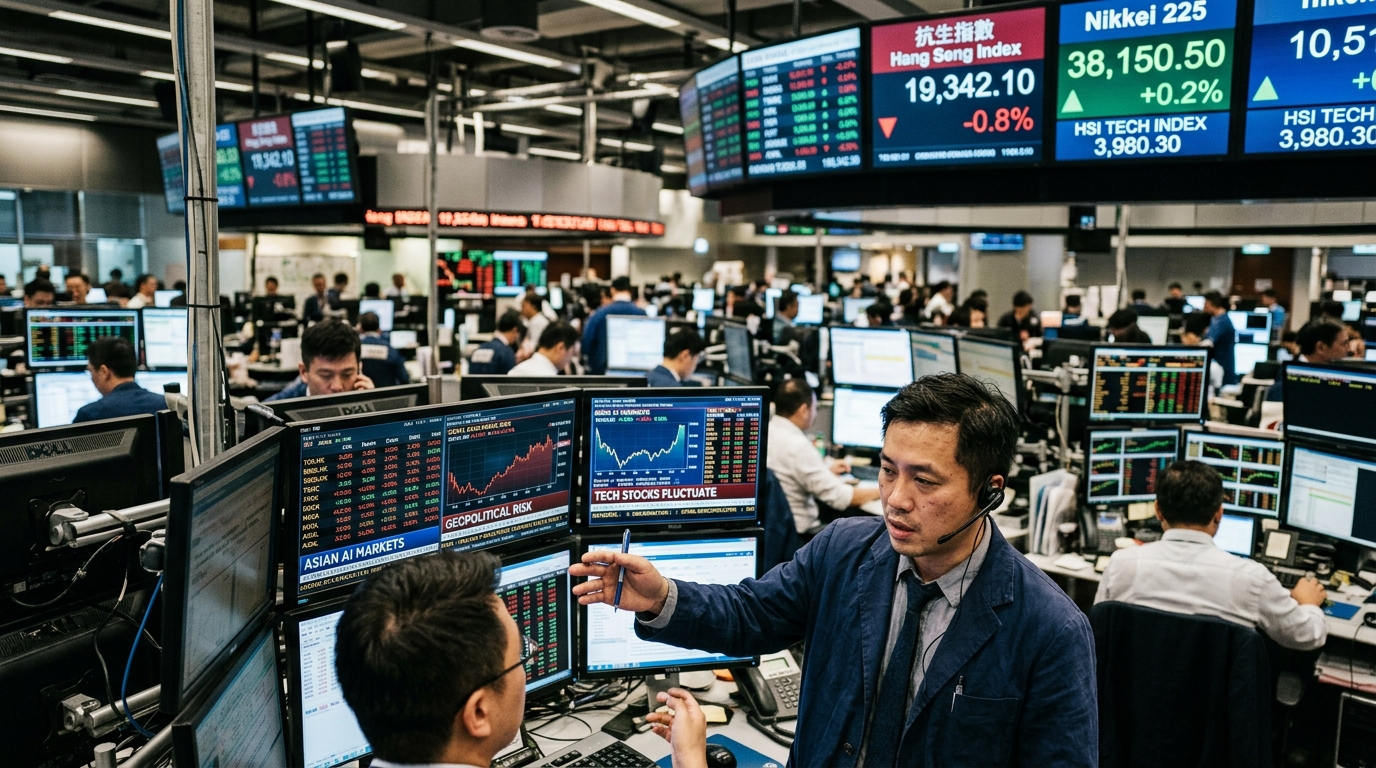
On May 13, 2026, Asian equity markets find themselves at a sobering crossroads. The exuberant "AI gold rush" that defined the previous two years appears to be transitioning into a phase of skeptical realism. Across major hubs like Tokyo, Hong Kong, and Seoul, indices traded with mixed results, reflecting a growing wariness toward high-flying tech valuations and the persistent shadow of global conflict.
The AI Re-Rating: From Hype to Proof
For much of late 2024 and 2025, the market was fueled by the narrative that Generative AI would deliver an immediate and seismic shift in global productivity. However, as we move through the second quarter of 2026, the mood has shifted from speculation to verification. Institutional investors are no longer satisfied with visionary roadmaps; they are demanding tangible Return on Investment (ROI).
This "re-rating" is particularly evident in the semiconductor and infrastructure sectors. Major Asian chipmakers and hardware providers, which previously enjoyed exponential growth, are now facing downward pressure. Recent earnings reports suggest that the massive capital expenditures required for AI data centers are taking longer to translate into bottom-line profits than the bulls had predicted. In Tokyo, the Nikkei 225 struggled to maintain its momentum as tech heavyweights led a broader retreat, signaling what some analysts call a "healthy decompression" of a potentially overheated sector.
Geopolitical Risk: The Unrelenting Headwind
Beyond the digital frontier, the physical world continues to impose its will on market sentiment. The "war worries" cited by traders are not merely headlines; they are structural impediments to growth. Ongoing conflicts in the Middle East and Eastern Europe, coupled with simmering tensions in the South China Sea, have created a permanent state of high alert for global supply chains.
- Energy prices remain stubbornly elevated, acting as a tax on energy-dependent economies like Japan and South Korea.
- Logistics costs are climbing as commercial shipping routes are rerouted to avoid conflict zones, undermining the efficiency of global trade.
- A global shift toward increased defense spending is diverting capital away from civilian R&D and social infrastructure.
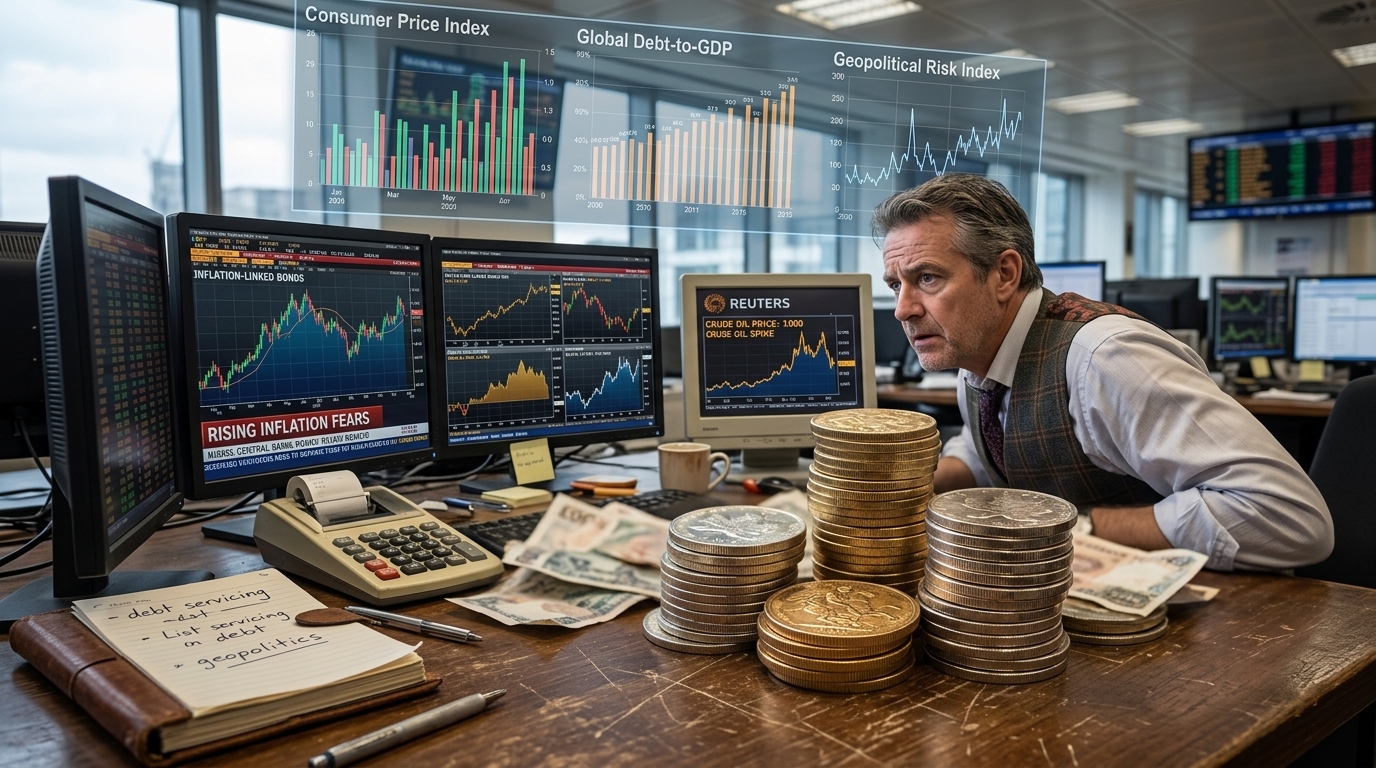
This shift toward a "war economy" footprint has significantly lowered the global appetite for risk. The rotation out of high-beta tech stocks and into defensive assets—such as gold and sovereign debt—underscores a market that is preparing for a prolonged period of instability rather than a swift return to normalcy.
Regional Divergence: China’s Balancing Act
The performance of Chinese markets offers a nuanced contrast to the broader regional trend. While the rest of Asia grapples with AI fatigue, Beijing is focused on domestic stabilization. Chinese equities in Hong Kong saw marginal gains today, driven by rumors of further state-led stimulus measures to bolster the property sector and stimulate consumer spending. However, the overarching sentiment remains one of caution, as the long-term structural challenges of the Chinese economy continue to weigh on investor confidence.
"We are no longer in a market driven by hope, but in a market driven by balance sheets and ballistic realities," noted a senior strategist at a major investment bank in Singapore.
In conclusion, the current state of Asian markets serves as a reminder that technological progress does not occur in a vacuum. As long as geopolitical crises remain unresolved and the promises of AI fail to manifest as immediate corporate earnings, volatility will remain the defining characteristic of the financial landscape for the remainder of 2026.