In the heart of the Caribbean, Anguilla, a British Overseas Territory renowned for its white-sand beaches and turquoise waters, has suddenly found itself at the epicenter of the global technological revolution. However, the source of its new-found wealth is neither tourism nor offshore banking, but two letters assigned to it by chance decades ago: ".ai".
The Accidental Dowry of the Internet
Every country in the world possesses a unique domain extension (ccTLD - country code top-level domain). For Greece, it is ".gr"; for Italy, ".it"; and for Anguilla, since 1995, it has been ".ai". For years, this extension was used almost exclusively by local businesses and a handful of tech enthusiasts. All of this changed with the arrival of ChatGPT and the explosion of generative artificial intelligence.
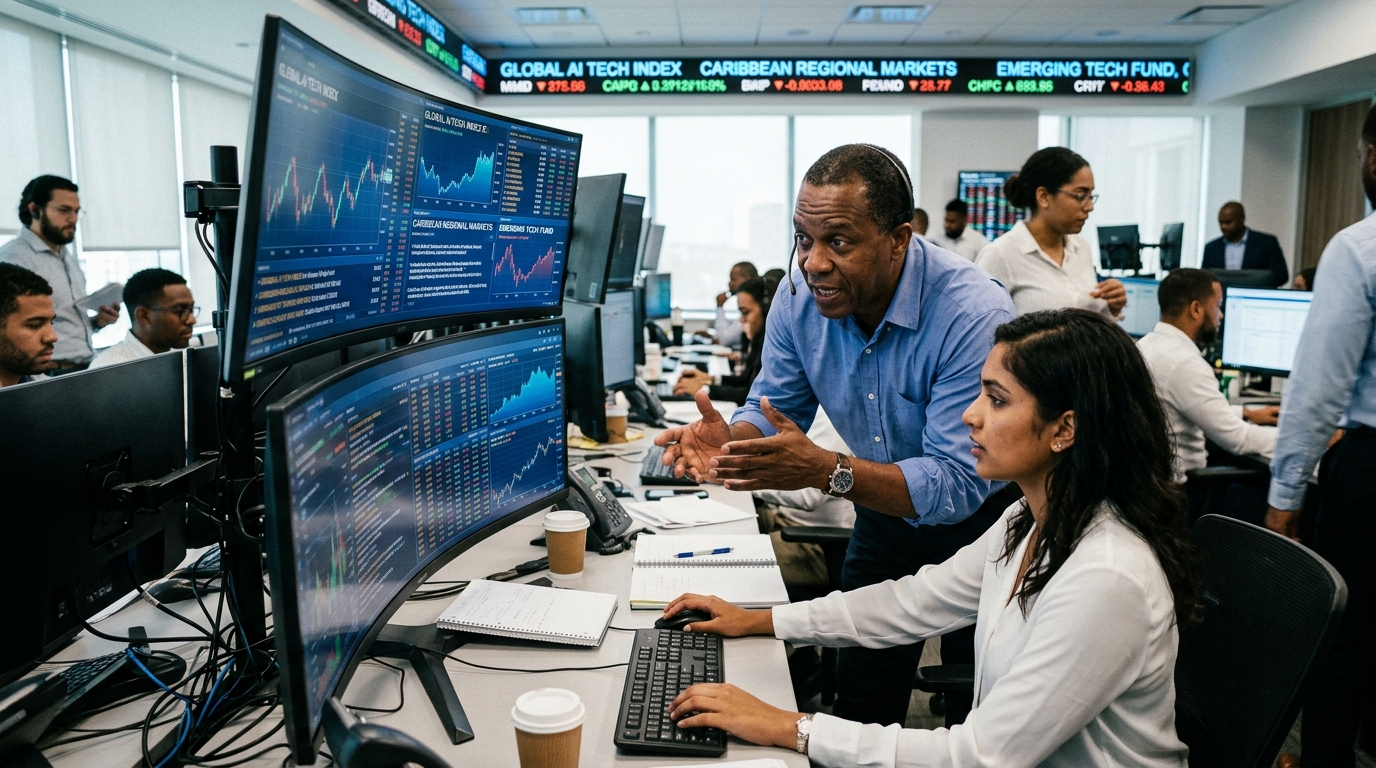
Today, every self-respecting startup, from San Francisco to Tokyo, craves a domain ending in ".ai". This digital badge of prestige immediately signals that a company belongs to the cutting edge of technology. To acquire one, however, a "digital rent" must be paid to the government of Anguilla. Registration prices for such a domain start at $140 for two years, but in auctions, certain names fetch tens of thousands of dollars.
Economic Transformation in Real Time
The numbers are staggering. According to official data, revenue from ".ai" domain registrations skyrocketed from $7.4 million in 2021 to over $32 million in 2023. For an economy with a GDP of approximately $300 million, this amount represents more than 10% of state revenue. For 2024 and 2026, projections are even more optimistic, as demand shows no signs of slowing down.
- Universal Healthcare: The government is using the proceeds to provide free medical care to all citizens over the age of 70.
- Infrastructure: Funding is being allocated for airport expansion and the renovation of the road network.
- Education: Significant investments are being made in schools and vocational training programs for the island's youth.
- Debt Reduction: The island has managed to pay off a substantial portion of its external debt, strengthening its economic sovereignty.
"It's like finding oil, but our oil is the data and algorithms of Silicon Valley," a local official remarked.
The Trap of Digital Monoculture
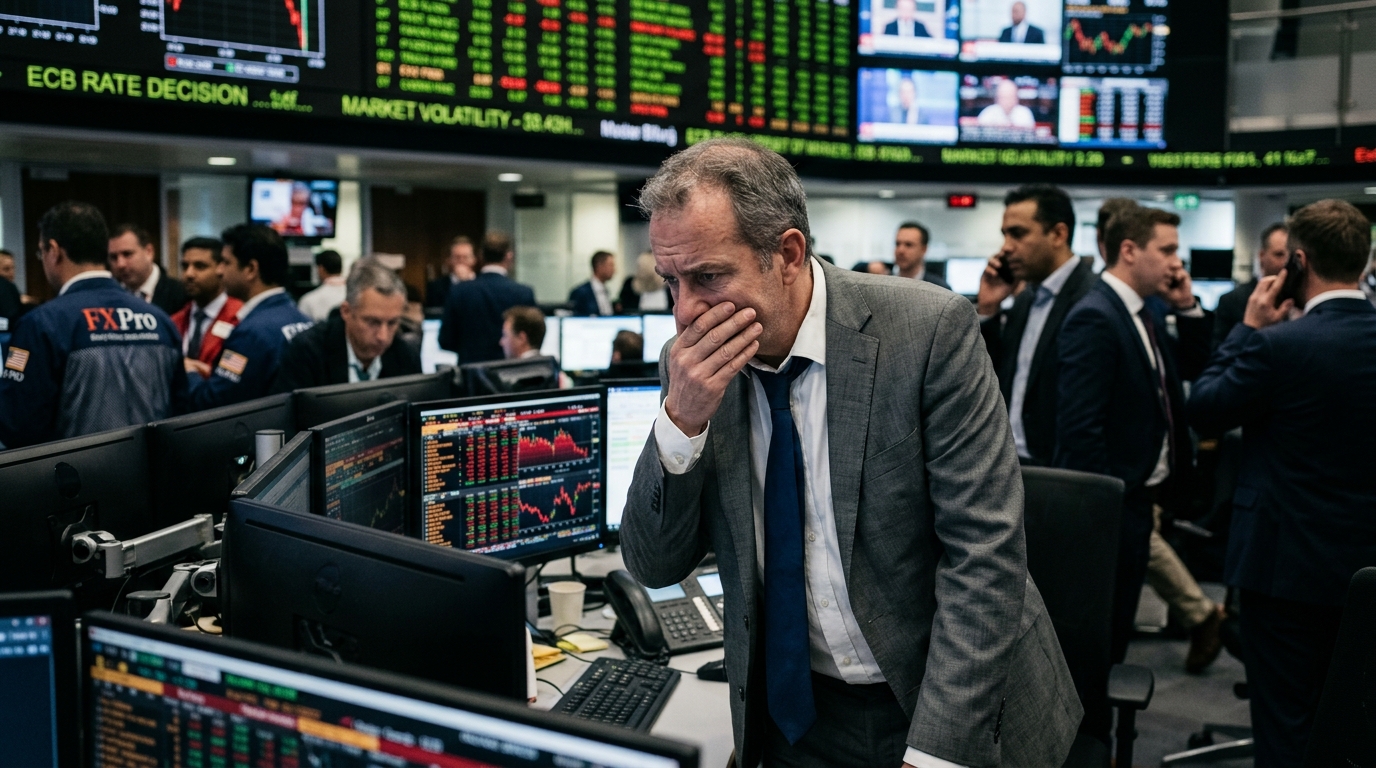
Despite the euphoria, there are voices warning of the risks. Anguilla has been in a similar position before with tourism, which collapsed during the pandemic. Dependence on a technological hype cycle carries inherent dangers. If the AI bubble bursts or if companies begin to favor other extensions, the revenue could evaporate as quickly as it appeared.
Furthermore, there is the precedent of Tuvalu, another small island nation that owns the ".tv" extension. While Tuvalu generates profit, the management of the extension was handed over to large American corporations (like Verisign and later GoDaddy), leaving the island with a smaller share than expected. Anguilla, for now, maintains greater control, but pressure from global domain name giants is mounting.
Conclusion: Geography in the Digital Age
The case of Anguilla highlights a paradoxical aspect of globalization: how a bureaucratic decision made in 1995 can determine the fate of a nation thirty years later. In a world becoming increasingly intangible, national resources are no longer just minerals or land, but also the symbols we use to navigate digital space. For the residents of Anguilla, artificial intelligence is not a threat to jobs, but the promise of a brighter future, built upon two precious letters.