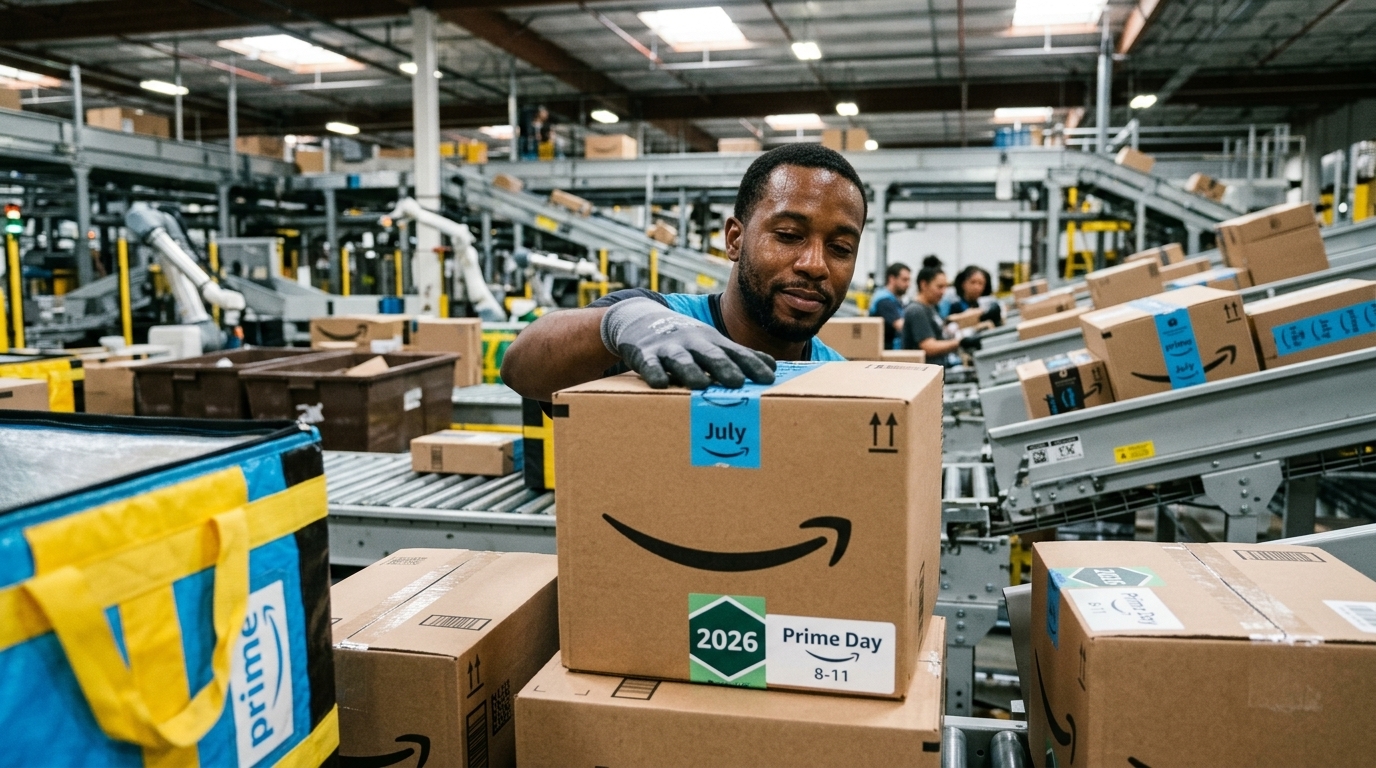
June 27, 2026, will be etched in the annals of retail history as the day Amazon proved that digital consumerism knows no bounds. According to the latest data from Adobe Analytics, total online spending during this year's Prime Day event surpassed all previous estimates, posting a staggering 9.3% increase over the same period last year. This surge is not merely a figure on a balance sheet; it is a profound confirmation of a structural shift in how global citizens interact with the marketplace, now guided by sophisticated artificial intelligence.
The Anatomy of an Economic Outperformance
Wall Street analysts and Adobe’s own economists had initially predicted steady but cautious growth, factoring in persistent inflationary pressures in several key global markets. However, the reality was a pleasant surprise for the industry. The 9.3% jump translates into billions of dollars in additional liquidity poured into the market within a mere 48-hour window. This success is attributed to three main pillars: the surgical precision of AI-driven recommendations, the widespread adoption of 'Buy Now, Pay Later' (BNPL) services, and Amazon’s aggressive expansion into the essential goods category.
A particularly striking trend is the migration toward mobile-first shopping. For the first time in 2026, over 65% of transactions were completed via mobile devices, with apps integrating AI voice assistants showing the highest conversion rates. The friction-less 'one-click buy' experience, supercharged by predictive analytics that suggest products before a user even articulates a need, created a tidal wave of purchasing that swept through the company’s fulfillment centers.
The AI Catalyst: Beyond the Algorithm
One cannot discuss Prime Day 2026 without mentioning Rufus, Amazon’s advanced generative AI assistant, which served as the ultimate personal shopper for millions. Unlike previous years, Generative AI was not just an experimental feature but the very backbone of the user experience. From real-time technical comparisons to providing hyper-personalized discounts based on browsing history, AI significantly slashed the consumer's decision-making time.
- Personalized deals increased average basket size by an estimated 15%.
- Dynamic pricing algorithms adjusted costs per second based on real-time demand and competitor inventory.
- AI-optimized supply chain management ensured that high-demand items remained in stock despite the surge.
This technological dominance is creating a widening chasm between Amazon and traditional brick-and-mortar retailers. While physical businesses are still struggling to integrate basic digital tools, the Seattle-based giant is using neural networks to anticipate public desire. The success of Prime Day acts as a harbinger for the upcoming holiday season, setting a dauntingly high bar for any competitor hoping to capture market share.
Socio-Economic Implications and the BNPL Factor
Despite the celebratory numbers, the 9.3% rise raises poignant questions about consumer culture and household debt. The explosive growth of BNPL services during Prime Day indicates that many consumers are relying on short-term credit to capitalize on deals. This creates a delicate balance: while it boosts immediate economic activity, it also heightens the risk of payment defaults should macroeconomic conditions sour in the latter half of the year.
"Prime Day is no longer just a discount period; it is a global economic phenomenon that tests the limits of supply chain logistics and consumer psychology," noted a senior analyst at Adobe Analytics.
In conclusion, the 2026 results demonstrate that Amazon has successfully rendered itself indispensable, even amidst economic uncertainty. The integration of AI has transformed a simple sale into an orchestrated experience that continues to win the trust—and the wallets—of consumers worldwide. The lingering question remains whether regulatory bodies will intervene to curb this growing concentration of power or if they will allow Amazon to completely rewrite the rules of global commerce.