In an era where the lines between human creativity and algorithmic output are becoming increasingly blurred, a recent encounter between two distinct worlds on Theo Von’s podcast, "This Past Weekend," brought the existential anxiety of the artistic community to the forefront. Jeff Bridges, an actor whose career has been synonymous with authenticity and gravitas, introduced Von to the capabilities of Suno, one of the leading AI music generation platforms. His reaction? “It’s very frightening.”
The Moment of Revelation: When The Dude Meets Silicon Valley
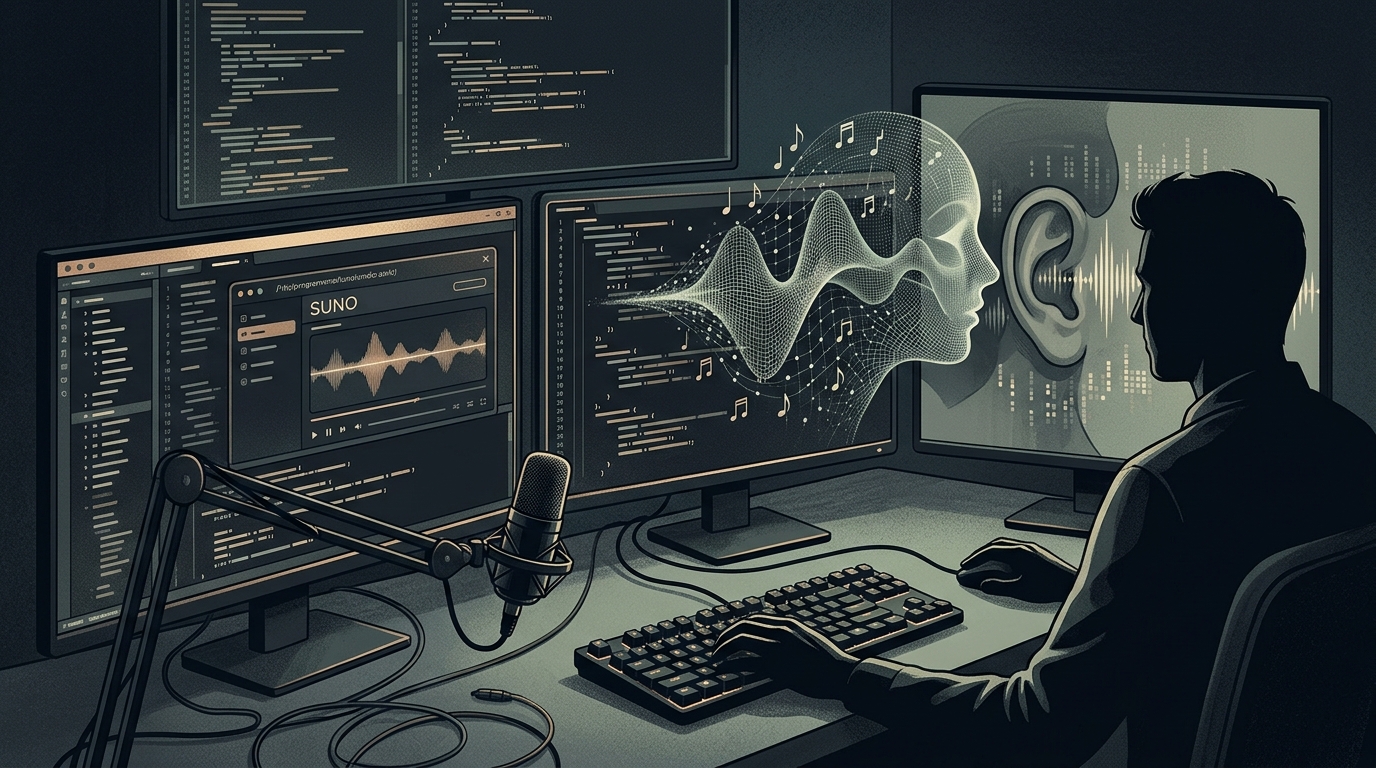
The conversation began with Bridges describing how Suno technology can transform a simple text prompt into a fully orchestrated composition, complete with vocals, lyrics, and an emotional resonance that is difficult to distinguish from a human recording. For an artist who has spent decades studying the human condition, the ease with which a machine can simulate the "pain" or "joy" of a blues song is, at the very least, destabilizing.
Theo Von, known for his idiosyncratic and often surreal humor, was left speechless. The demonstration wasn't just about generating a beat; it was about creating a work that carried the weight of a personal story—without a person behind it. This paradox is what Bridges labeled as "frightening": the ability of AI to hijack the "scent" of human experience without ever having lived it.
Suno and the Music Industry: A Revolution with Legal Teeth
Suno AI is no longer just a novelty for podcasters. By 2026, the technology has evolved to a point where its production quality rivals professional studios in Nashville and Los Angeles. However, this progress is accompanied by a storm of legal challenges. The Recording Industry Association of America (RIAA) has already launched massive lawsuits against companies like Suno and Udio, accusing them of mass copyright infringement by training their models on protected content.
- Model training relies on millions of hours of music without the permission of the original creators.
- The speed of production threatens the livelihoods of session musicians and commercial composers.
- The distinction between "inspiration" and "copying" in AI remains a legal gray area.
"It’s no longer a question of whether AI can write a good song. It’s a question of what a song means to us when we know there’s no soul behind it," Bridges remarked during the episode.
The Crisis of Authenticity: From Creation to Curation
Bridges' concern reflects a broader cultural shift. As AI democratizes music production, the role of the artist is transforming from "creator" to "curator." Anyone can now produce a technically proficient track, but the value of art has historically derived from effort, sacrifice, and the context of a human life. When AI generates music at the touch of a button, the "scarcity" of creation vanishes, potentially leading to a content inflation where nothing truly resonates.
Furthermore, there is the risk of homogenization. AI models tend to produce the "average" of the data they were trained on, which could lead to a musical culture lacking in risk and experimentation. Bridges, who has played roles that defy convention, sees in this technological convenience a threat to the "unpredictability" that makes art vital.
The Future: Coexistence or Replacement?
Despite the apprehension, the podcast discussion ended on an unanswered question: can technology be used as a tool to enhance human creativity rather than replace it? Some artists are already using Suno to sketch ideas or overcome writer's block. However, the velocity of AI improvement suggests that the balance of power is shifting rapidly toward the machines.
Jeff Bridges’ intervention is significant because it doesn't come from a technophobe, but from a man who admires the "miracle" of evolution while simultaneously mourning the loss of human uniqueness. As we move into the latter half of the 2020s, the music industry is forced to redefine its value—not based on sound, but on provenance.