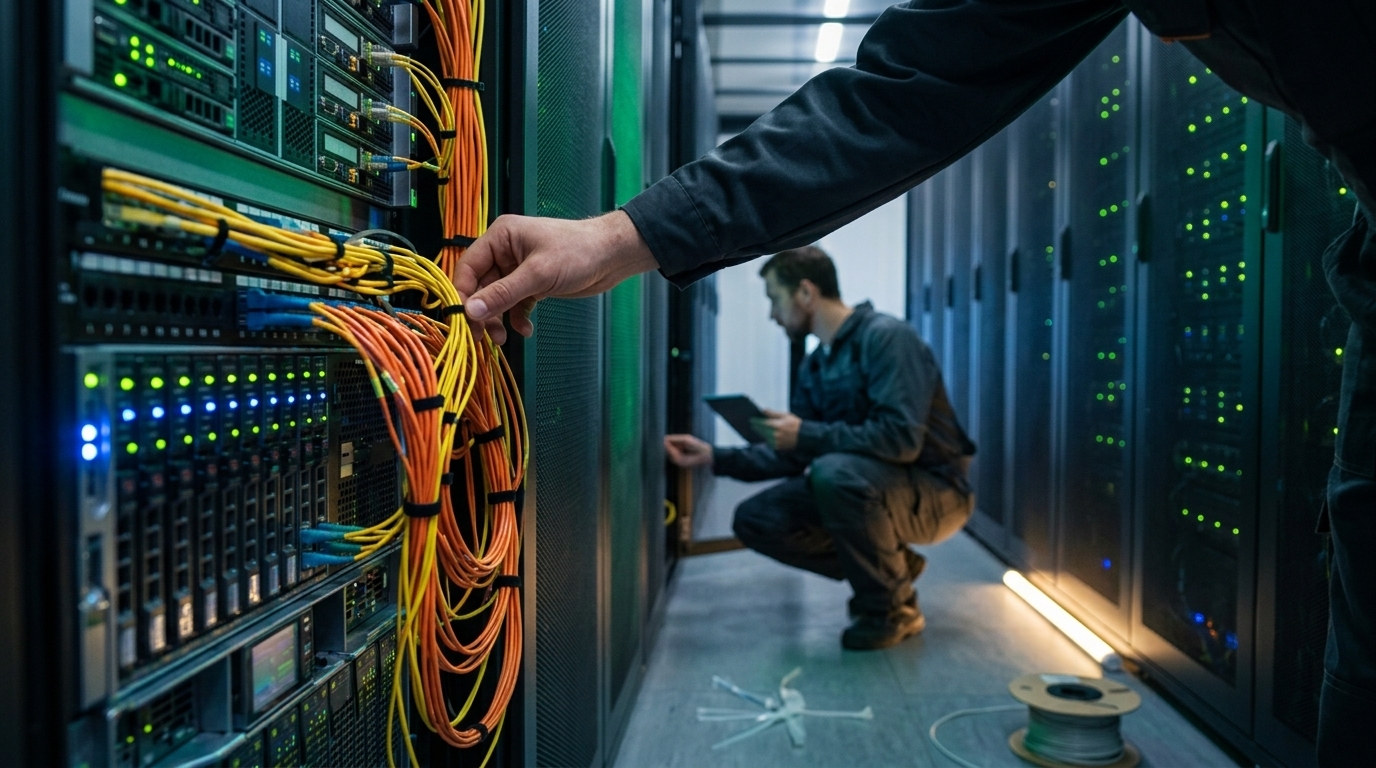
For decades, the tech industry convinced us that the future is "intangible." We spoke of the "Cloud," a metaphor suggesting something light, ethereal, and almost magical. However, the advent of Generative AI has shattered this illusion. Behind every ChatGPT prompt and every Midjourney-generated image lies a massive machinery of concrete, copper, silicon, and, above all, an insatiable thirst for electricity and water. Artificial Intelligence is no longer just code; it is a heavy industry requiring physical resources on a scale humanity has never seen in the information age.
The Energy Hunger and the Nuclear Revival
Training a Large Language Model (LLM) is an incredibly energy-intensive process. Estimates suggest that training GPT-3 consumed about 1.3 gigawatt-hours of electricity—enough to power 120 average American homes for an entire year. But that was just the beginning. As models grow larger and their use by the public increases exponentially, energy demand in data centers is projected to double by 2026.
This necessity is driving tech giants into unexpected alliances. Microsoft recently signed a deal to restart the nuclear reactor at Three Mile Island, while Google and Amazon are investing in Small Modular Reactors (SMRs). The shift to nuclear energy is not accidental: data centers require a constant "baseload" power supply 24/7, something that renewables like wind and solar cannot yet guarantee without massive storage infrastructure. The irony is stark: the most advanced technology of the 21st century depends for its survival on a power source that many considered obsolete.
The "Liquid" Cost: Millions of Gallons for Cooling
Beyond electricity, there is the issue of water. The thousands of Nvidia GPUs running non-stop in data centers generate immense heat. To prevent circuits from melting, sophisticated cooling systems are required, often relying on water evaporation. It is estimated that for every 10 to 50 questions we ask an AI model, approximately half a liter of water is "consumed" (via evaporation).
In regions already facing water scarcity, such as Arizona or parts of Chile, the construction of new data centers has sparked social backlash. Local communities see their water resources diverted to "ghost buildings" that employ very few people, while the value they generate is transferred to Silicon Valley shareholders. Water management is emerging as one of the largest ethical and operational hurdles for the global expansion of AI.
The Geopolitics of Raw Materials and Supply Chains
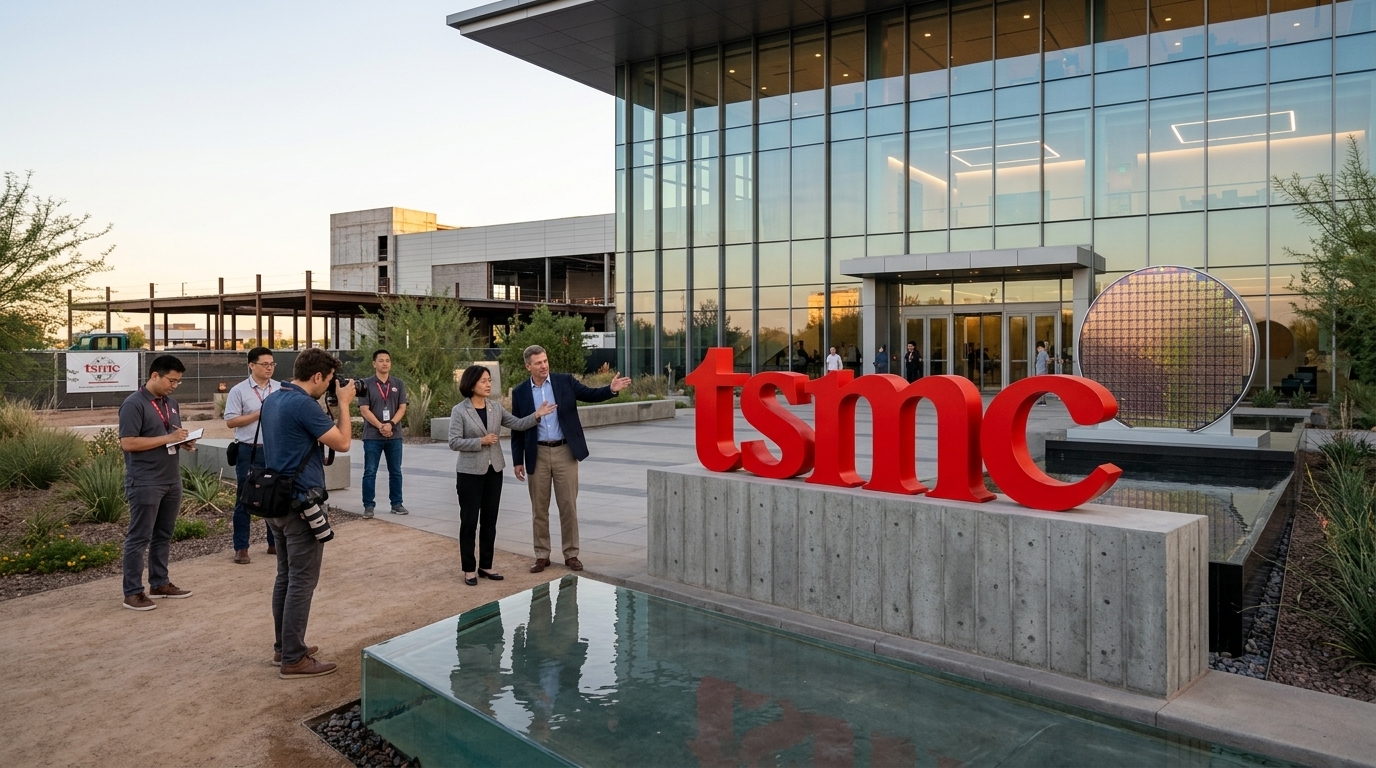
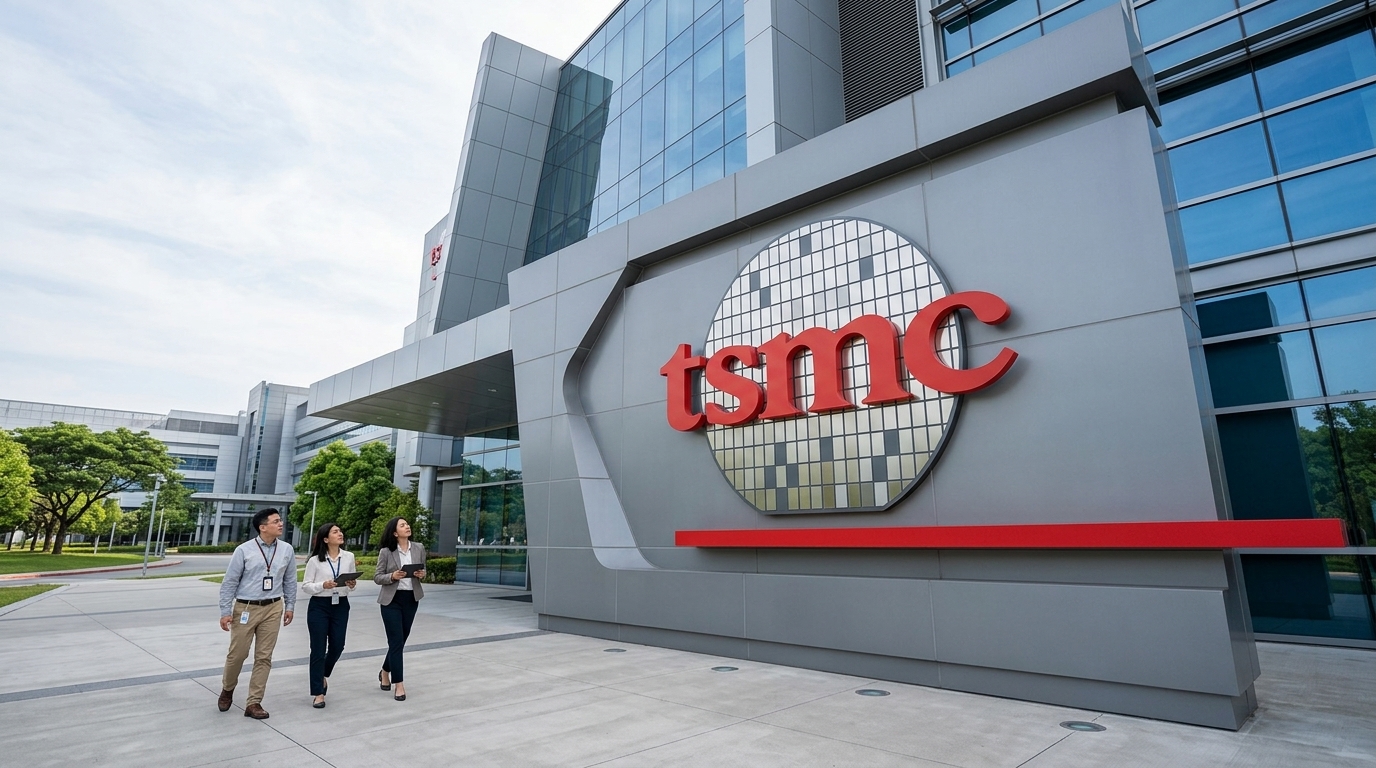
The physical reality of AI extends to manufacturing materials. The demand for specialized chips has turned silicon, cobalt, lithium, and rare earth elements into the "new oil." The supply chain is frighteningly concentrated: TSMC in Taiwan manufactures the most advanced chips, while China controls most of the processing of rare earth elements. Any geopolitical disruption in these areas could freeze global AI development within days.
Furthermore, infrastructure costs (CapEx) have skyrocketed. Microsoft, Meta, and Google are now spending tens of billions of dollars every quarter just on hardware and data centers. This creates an "entry barrier" that makes it nearly impossible for smaller companies or nations to compete with Big Tech. Instead of democratizing technology, AI risks concentrating power in the hands of those who control the physical infrastructure.
Conclusion: Towards a Sustainable Intelligence?
The challenge for the coming years is decoupling computational power from environmental degradation. We need more efficient algorithms that require less data and less energy, as well as new cooling technologies (such as liquid immersion cooling). If AI is to solve humanity's great problems, such as climate change, it cannot be part of the problem. Transparency regarding the energy and water footprint of models must become mandatory, allowing users and regulators to make informed decisions. The "invisible" cost must finally be made visible.