The global economy stands at the threshold of a new industrial era as businesses worldwide shed the hesitancy of previous years to engage in massive equipment procurement. According to recent data analyzed by PYMNTS.com and other international economic bodies, business equipment investment has reached its highest level in six years. The primary driver? The insatiable demand for Artificial Intelligence (AI) infrastructure.
The Shift from Software to Hardware
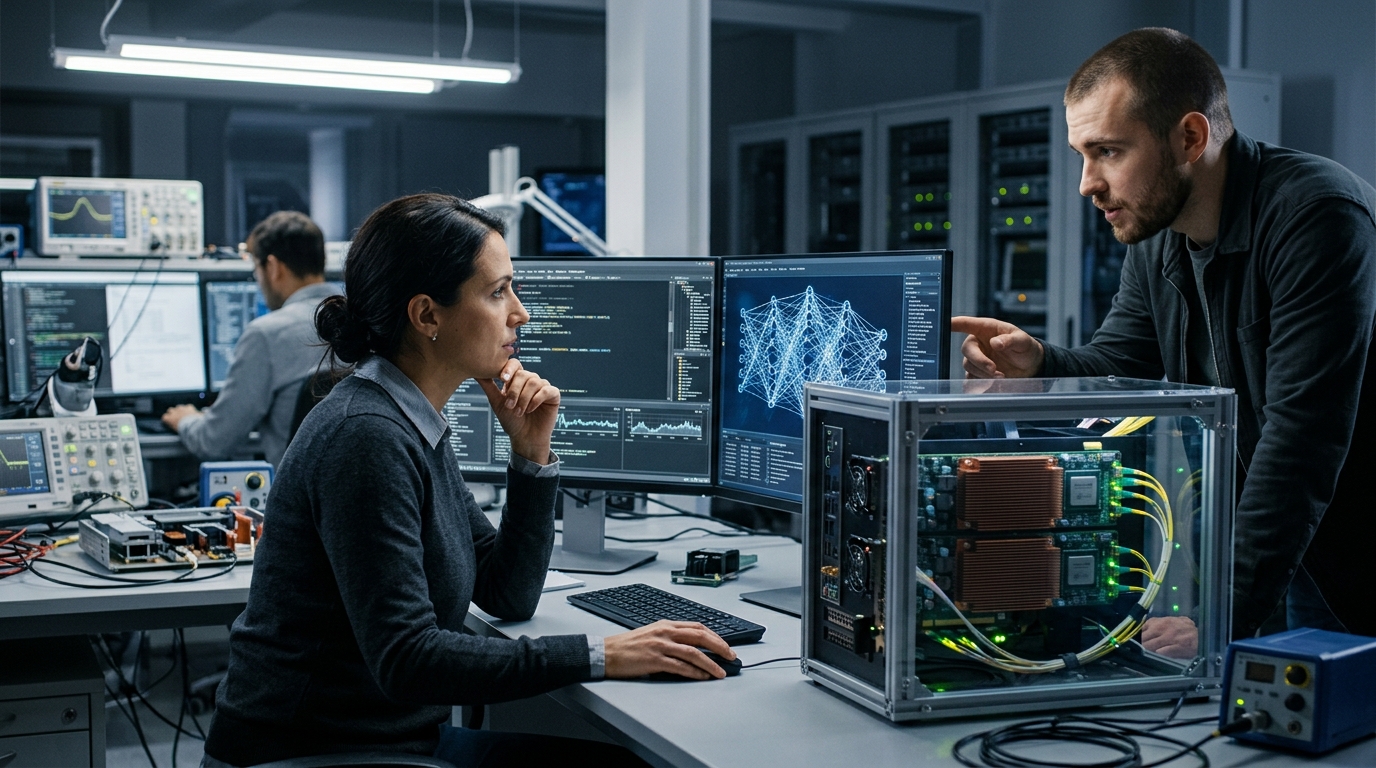
For years, the digital economy focused on software (SaaS) and cloud services. However, the advent of generative AI in 2023 and its maturation by today, April 2026, has fundamentally changed the landscape. AI is not merely code; it requires immense computational power, specialized servers, and advanced cooling systems. Companies are no longer just buying subscriptions; they are investing heavily in physical capital.
This shift is mirrored in the balance sheets of Fortune 500 companies, where capital expenditure (CapEx) has surged. These investments are not confined to Silicon Valley tech giants. Traditional sectors such as manufacturing, logistics, and healthcare are upgrading their hardware with embedded AI chips to optimize production and real-time decision-making.
The Productivity Gamble
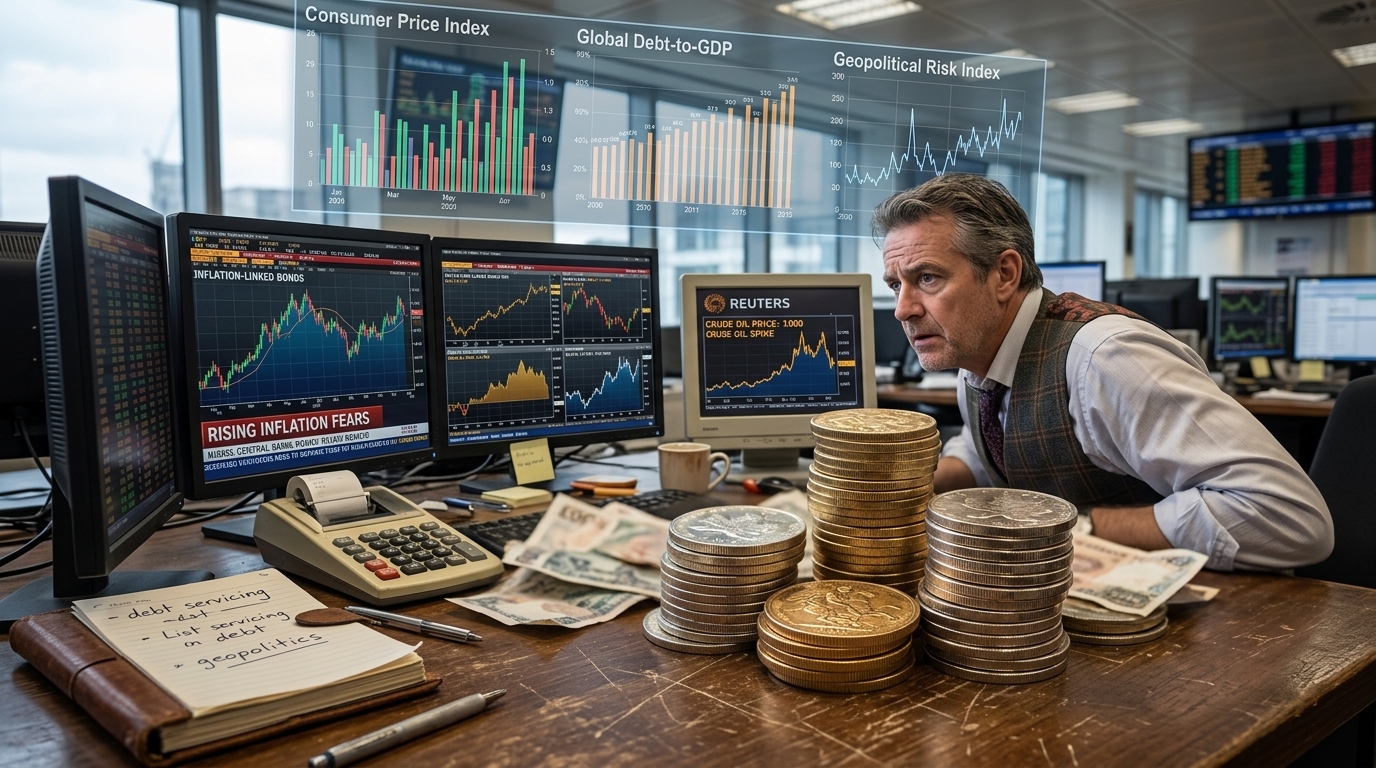
Economists are watching closely to see if this investment boom translates into meaningful productivity gains. Historically, there is a time lag between the adoption of a new technology and its impact appearing in GDP figures. However, 2026 appears to be the year where early indicators turn positive. Automating complex tasks through AI-ready equipment allows firms to produce more with fewer resources, offsetting the inflationary pressures that have plagued global markets in recent years.
- Surge in spending for High-Performance Computing (HPC) servers.
- Modernization of factory lines with AI-driven robotics.
- Investment in private 5G and 6G networks for equipment connectivity.
- Shift toward energy upgrades for data centers.
Macroeconomic Implications and Interest Rates
Despite high interest rates maintained by central banks for an extended period, the necessity for AI has proven stronger than the cost of borrowing. Businesses view AI investment as a matter of survival rather than a luxury. This creates a fascinating paradox: the demand for AI equipment remains inelastic, supporting the global manufacturing sector even as other economic segments slow down.
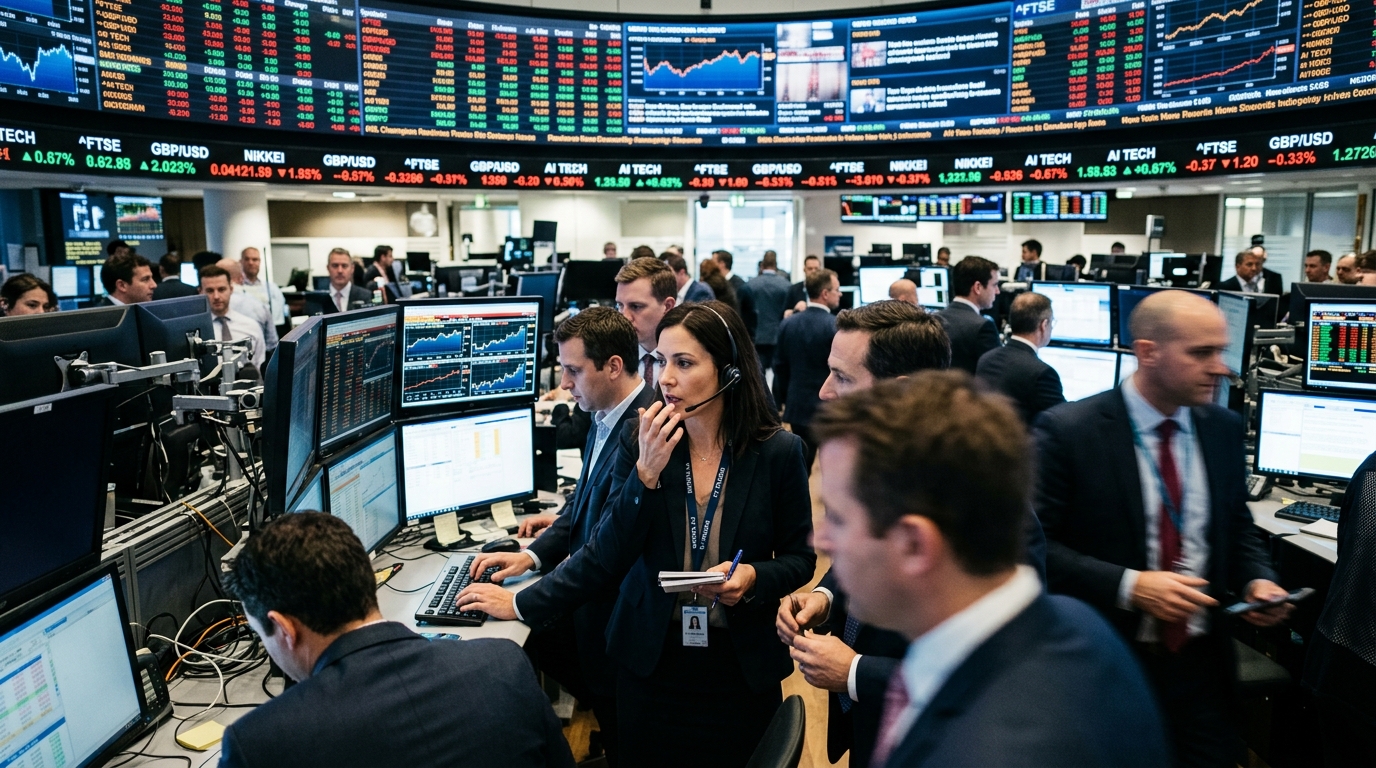
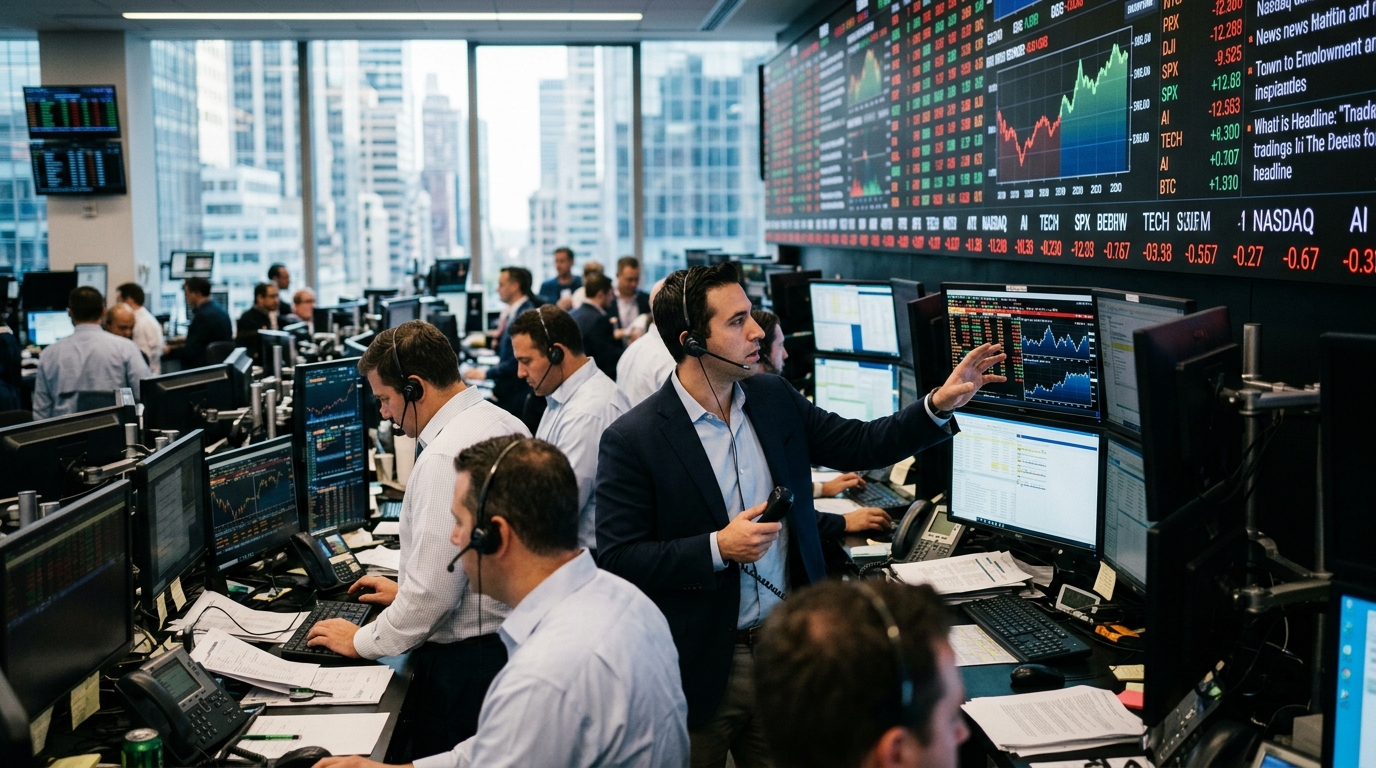
"We are not just seeing an equipment refresh cycle, but a complete redefinition of what constitutes 'essential equipment' for a modern enterprise," notes a leading Wall Street analyst.
In Europe, this trend is bolstered by "Digital Decade" initiatives, though the continent still trails the US and China in the production of the hardware itself. Nevertheless, adoption remains high, with German and French industries leading the charge in smart factory investments.
Conclusion
The six-year high in equipment investment is tangible proof that AI has moved from theory to practice. As we head into the second half of 2026, the challenge for businesses will be the effective integration of this hardware into daily operations. The economy of the future is being built today, with chips, cables, and massive amounts of data.