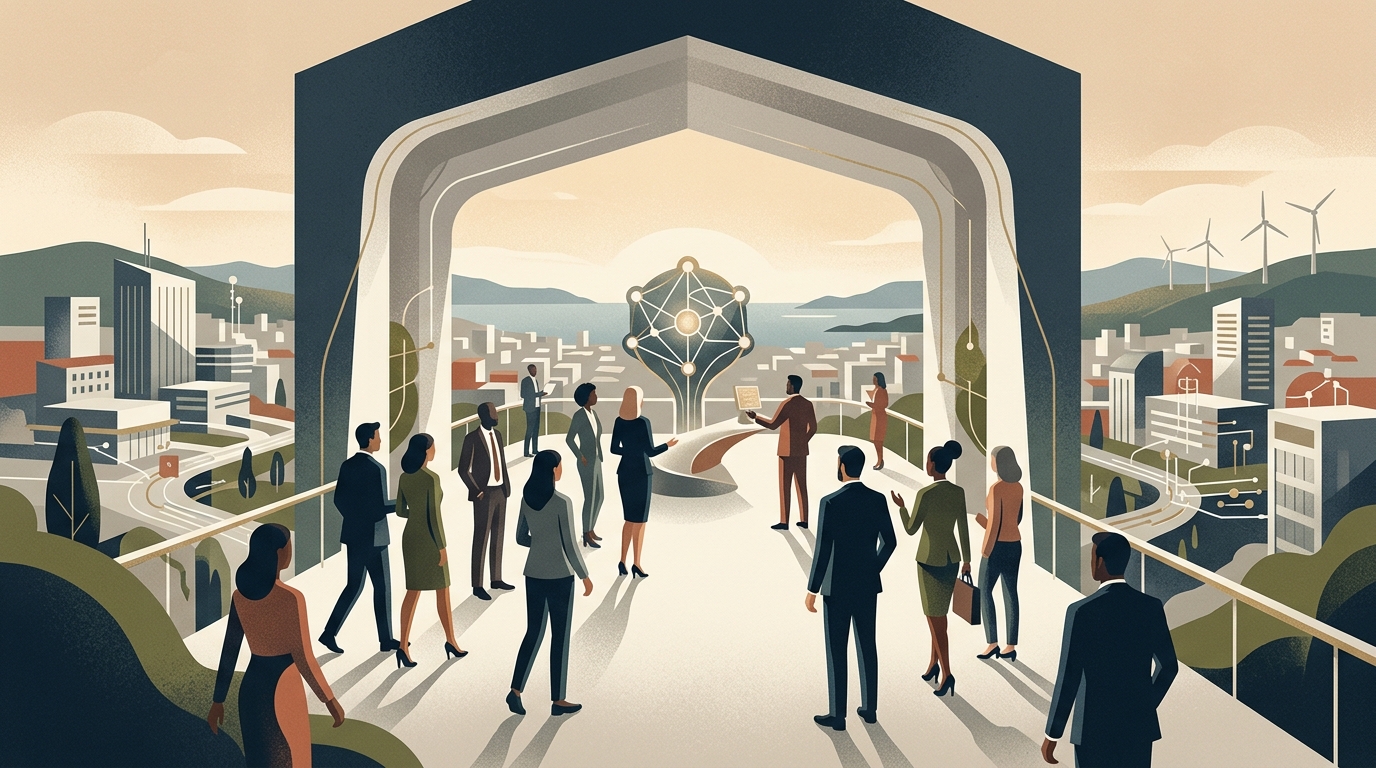
In the neon-lit heart of Macau, a global hub for luxury hospitality and gaming, a silent transformation is unfolding within the corridors of its grandest hotels. The integration of Artificial Intelligence (AI) has moved beyond the realm of science fiction into a daily operational reality. However, a recent study highlighted by Macau Business reveals a complex paradox: AI awareness among hotel employees acts as both a powerful catalyst for empowerment and a looming shadow of existential threat.
The Psychology of Automation: A Double-Edged Sword
The research delves into the concept of "AI awareness"—the extent to which employees perceive and understand the role of technology in their workplace. For many, AI represents a promise of liberation. By automating repetitive, mundane, and physically taxing tasks—such as data entry, inventory management, or basic guest inquiries—AI allows staff to pivot toward the core of hospitality: high-touch, personalized service. When employees view AI as a supportive tool, their job satisfaction and perceived self-efficacy tend to rise, leading to better performance and a more positive guest experience.
Conversely, this same awareness can trigger significant psychological distress. The sight of a robotic concierge or an automated check-in kiosk is often interpreted not as assistance, but as a precursor to displacement. This "technostress" stems from the fear that human skills are becoming obsolete. In an industry defined by service, the threat of being replaced by a more efficient, non-complaining algorithm creates a climate of insecurity that can erode morale and increase staff turnover.
Management's Critical Role in Navigating the Transition
The study underscores that the impact of AI is not deterministic; rather, it is mediated by how hotel leadership manages the transition. Hotels that treat AI as a mere cost-cutting measure often face backlash and a decline in service quality. In contrast, forward-thinking organizations emphasize "human-AI collaboration." Transparency is the most vital currency in this new era. Management must communicate clearly that while AI handles the mechanics of service, humans remain the soul of hospitality.
- Upskilling programs help employees transition from manual tasks to managing AI systems.
- Focusing on emotional intelligence ensures that the human element remains a competitive advantage.
- Involving staff in the implementation process reduces resistance and fosters a sense of agency.
This is particularly relevant for global tourism hubs. In markets like Macau or the Mediterranean, where luxury is synonymous with attention to detail, the goal of AI should be to enhance the staff's ability to anticipate guest needs, not to remove the human interface entirely. A guest might appreciate the speed of an AI-driven booking, but they remember the warmth of a concierge who recommends a hidden local gem.
The Future: Synergy or Substitution?
The findings from Macau serve as a bellwether for the global hospitality industry. AI is not a neutral force; it is a catalyst that amplifies existing organizational cultures. If a hotel culture is purely transactional, AI will likely lead to substitution and employee alienation. If the culture is guest-centric and employee-focused, AI will empower the workforce to reach new heights of excellence.
"Technology is a useful servant but a dangerous master. In hospitality, the human must remain the host, while the machine remains the tool."
As we look toward the future, the challenge for the 21st-century hotelier is to balance efficiency with empathy. The most successful hotels will be those that use AI to handle the 'robotic' parts of a human's job, thereby allowing the human to be more 'human.' The paradox of AI awareness is that by recognizing the power of the machine, we are forced to rediscover the unique value of the person.
Ultimately, the Macau study suggests that the fear of AI is often a fear of bad management. When implemented with vision and respect for the workforce, AI doesn't just improve the bottom line—it elevates the entire profession of hospitality into a more creative and fulfilling career path.