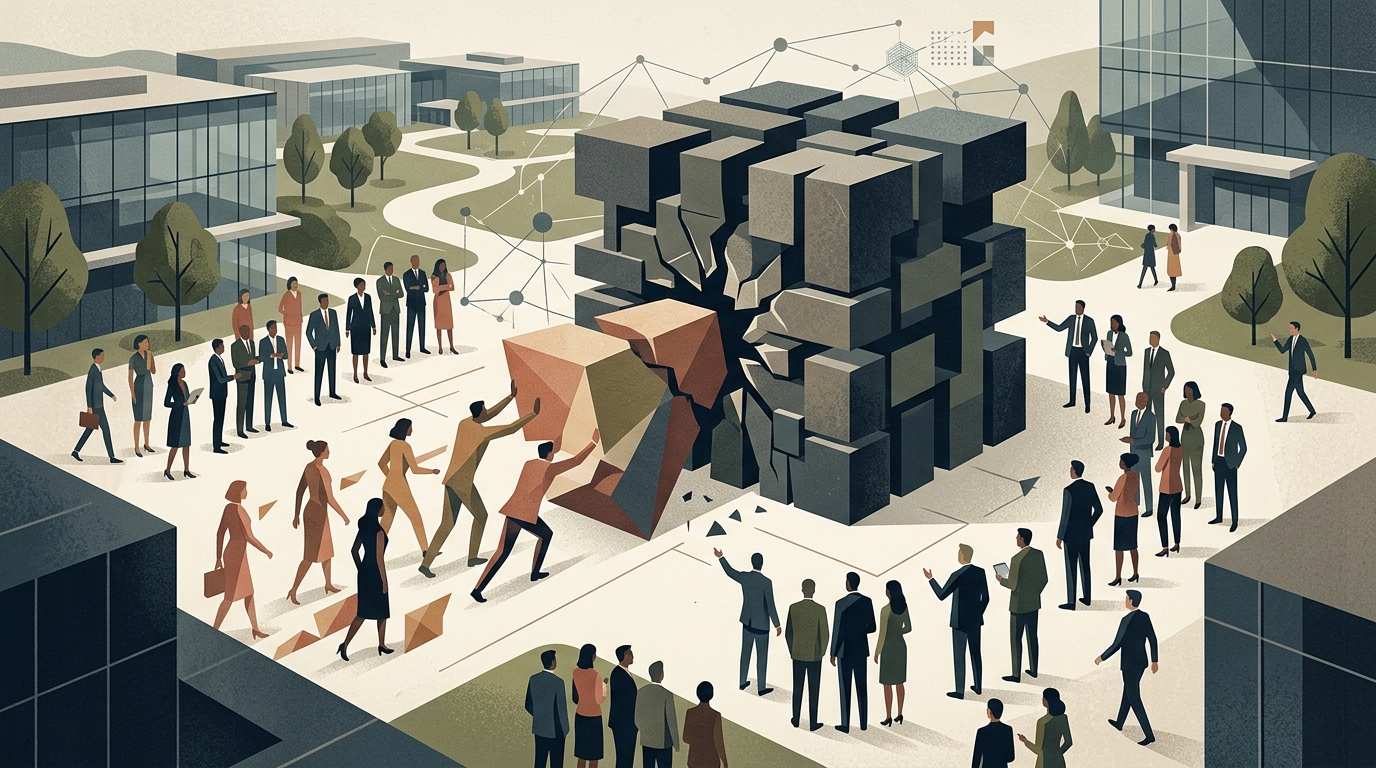
In the mid-2020s, the discourse surrounding Artificial Intelligence (AI) has frequently adopted an apocalyptic tone. Headlines routinely warn of a "job apocalypse," where algorithms render human workers obsolete. However, a deeper analysis of current economic trends and historical precedents suggests that this outcome is neither inevitable nor the most likely. As recent insights from leaders and economists highlight, AI does not have to mean layoffs; instead, it can be the catalyst for a new era of professional fulfillment and unprecedented productivity.
From Automation to Augmentation: A Fundamental Shift
The core misunderstanding stems from conflating "replacement" with "augmentation." While the automation of the industrial age focused on replacing human muscle with machines, AI aims to support human cognition. In practice, this means AI takes over repetitive, mundane, and time-consuming tasks—such as data organization or drafting basic reports—allowing employees to focus on higher-value activities.
In the medical field, for instance, diagnostic algorithms do not replace radiologists; they help them identify anomalies with greater precision and speed. This leads not to fewer doctors, but to better care for more patients. In the corporate world, the use of Generative AI allows small teams to manage projects that previously required entire departments, creating new opportunities for innovation and growth without the need for headcount reductions.
The Productivity Paradox and Demographic Reality
A crucial factor often overlooked is the demographic crisis facing the West. With aging populations and a shrinking workforce in countries like Greece, Germany, and Japan, AI is not arriving to steal jobs but to fill the gaps. Increasing productivity through AI is essential to maintaining living standards in societies with fewer workers per retiree. If we don't automate, we face economic stagnation.
Furthermore, history teaches us about the "Jevons Paradox": when technology makes a service more efficient and cheaper, the demand for that service often increases so much that more workers are ultimately needed, not fewer. When ATMs appeared, many predicted the end of bank tellers. Instead, the cost of operating a branch fell, banks opened more branches, and the number of tellers actually increased as their roles shifted from counting cash to providing financial advice and sales.
Corporate Responsibility and the Reskilling Mandate
To avoid layoffs, a conscious "reskilling" strategy is required from employers. Companies that choose to invest in their existing workforce, teaching them how to leverage AI tools, show better long-term results than those that opt for blind cuts. The institutional knowledge and cultural alignment held by long-term employees are invaluable and cannot be replicated by any large language model.
The key lies in creating an environment where AI is viewed as a co-pilot. Workers freed from administrative drudgery can dedicate time to creativity, strategic thinking, and emotional intelligence—areas where humans remain unsurpassed. Political leadership must also support this transition with incentives for lifelong learning and adaptation programs, ensuring that the fruits of technological progress are shared equitably across the workforce.
Conclusion: Technology as a Choice, Not Destiny
Ultimately, whether AI leads to mass layoffs or the upgrading of work is a political and business choice, not a technological certainty. If we treat AI as a tool for augmenting human capability, we can build an economy that is both more efficient and more humane. The fear of replacement must give way to the excitement of evolution, where technology serves to elevate the human spirit rather than diminish it.