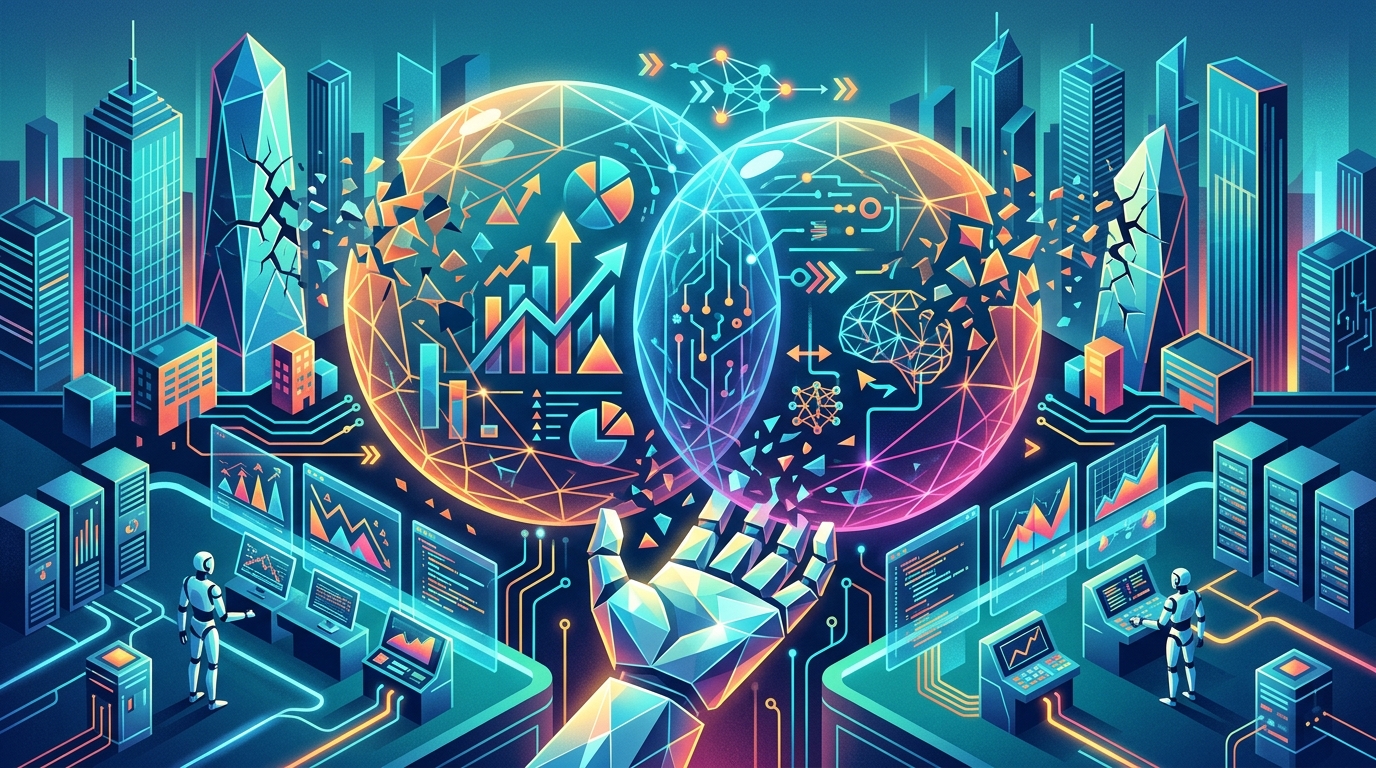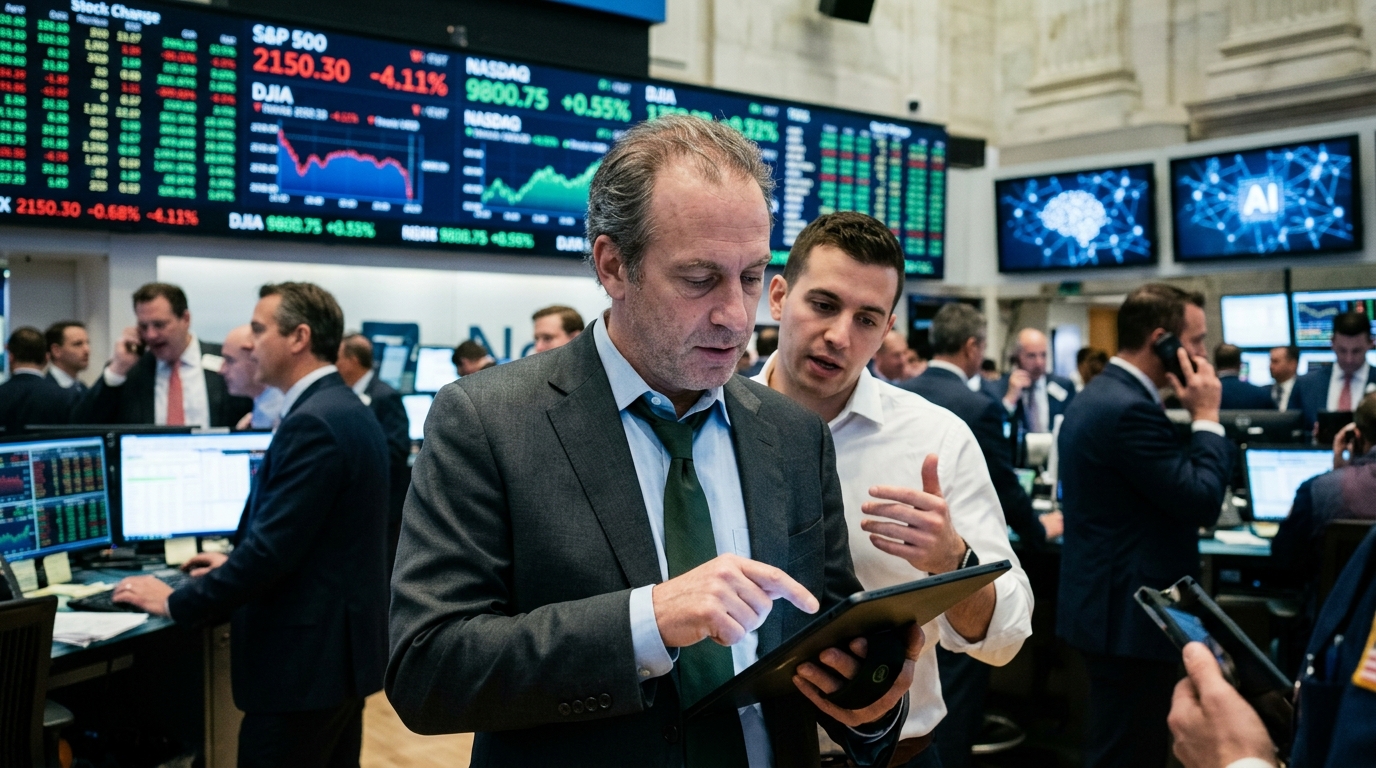
At the heart of modern economic thought lies Joseph Schumpeter’s theory of 'creative destruction'—the process by which industrial mutation incessantly revolutionizes the economic structure from within, incessantly destroying the old one, incessantly creating a new one. Today, Artificial Intelligence (AI) is not merely another tool in this process; it is the most potent accelerator of creative destruction we have witnessed since the advent of the steam engine. However, this transition is no longer a purely market-driven phenomenon; it has become a deeply political issue as governments worldwide struggle to balance innovation with social stability.
Schumpeter in the Age of Algorithms
The creative destruction wrought by AI differs from previous industrial revolutions due to its velocity and scope. While the mechanization of agriculture took decades to transform the labor force, AI has the potential to upend entire sectors of services, creative work, and data management within a matter of years. This creates a paradox: while aggregate productivity increases, the sense of economic insecurity intensifies for the individual.
"The challenge is not to stop the destruction of the old, but to ensure that the creation of the new includes the whole of society, rather than just a technological elite."
In the global context, this debate carries immense weight. Advanced economies, traditionally protective of labor rights, face a stark dilemma: aggressively adopt AI to remain competitive against global rivals, or impose stringent regulatory frameworks to protect existing jobs. The politicization of this choice is evident in legislative initiatives like the EU AI Act, which attempts to square the circle of ethical technology while fostering growth.
The Geopolitics of Technological Mutation
The economic change brought about by AI is not confined within national borders; it has become a central arena of geopolitical competition. The concept of 'technological sovereignty' is now as vital as territorial integrity. The United States is investing billions into semiconductor manufacturing and AI infrastructure, while China integrates AI into its state-capitalism model to solidify global influence.
- Supply Chain Shifts: AI-driven production reduces the reliance on low-cost labor, leading to 're-shoring' as manufacturing moves back to advanced economies.
- Digital Protectionism: Nations are increasingly imposing export controls on critical technology to prevent rivals from gaining an edge.
- Power Asymmetry: Corporations controlling Large Language Models (LLMs) are gaining influence that often rivals that of smaller nation-states.
This politicization means that decisions regarding AI are no longer made solely in corporate boardrooms in Silicon Valley, but in power centers like Washington, Brussels, and Beijing. Economic efficiency is frequently sacrificed on the altar of national security and political survival.
Social Implications and the Rise of Neo-Luddism
As algorithms begin to replace not just manual but cognitive tasks, we are seeing a resurgence of sentiments reminiscent of the 19th-century Luddite movement. The politicization of economic change is fueled by the fear of 'redundancy'. When individuals feel their livelihoods are threatened by an invisible technology, they gravitate toward political forces promising protectionism and a return to the status quo.
To prevent social fragmentation, economists are proposing radical shifts in the social contract. Concepts such as Universal Basic Income (UBI) or 'robot taxes' are no longer fringe ideas but subjects of serious political negotiation. The challenge lies in creating a system where the gains from AI-driven productivity are redistributed to support workers as they transition into new roles.
Conclusion: Governing the Change
AI is the ultimate mechanism of creative destruction, but its outcome is not predetermined. The politicization of economic change is a natural reaction to the scale of the disruption we are experiencing. The key to prosperity in the 21st century will not be resisting change, but the capacity of political systems to guide it in a way that enhances human creativity rather than nullifying it. The AI economy demands a new form of political leadership—one that understands both the code and the social contract.