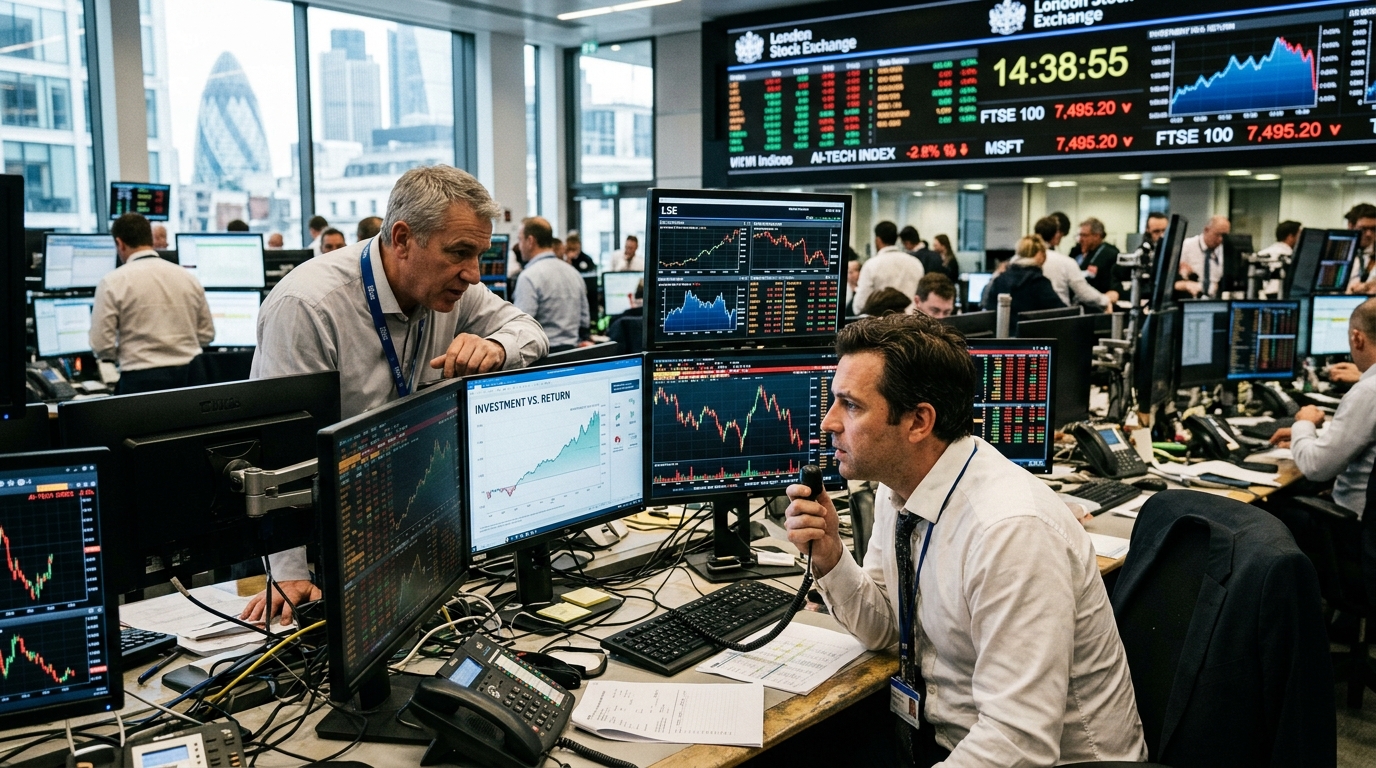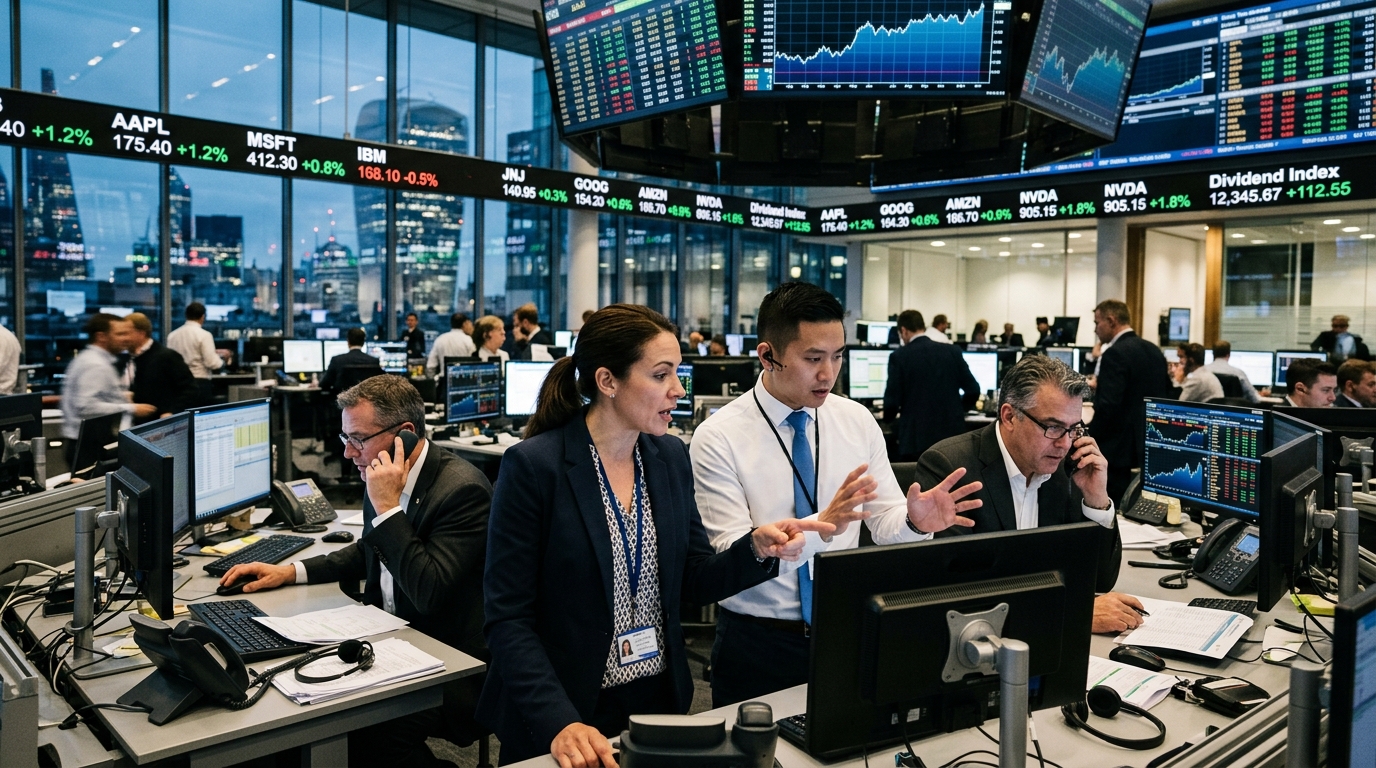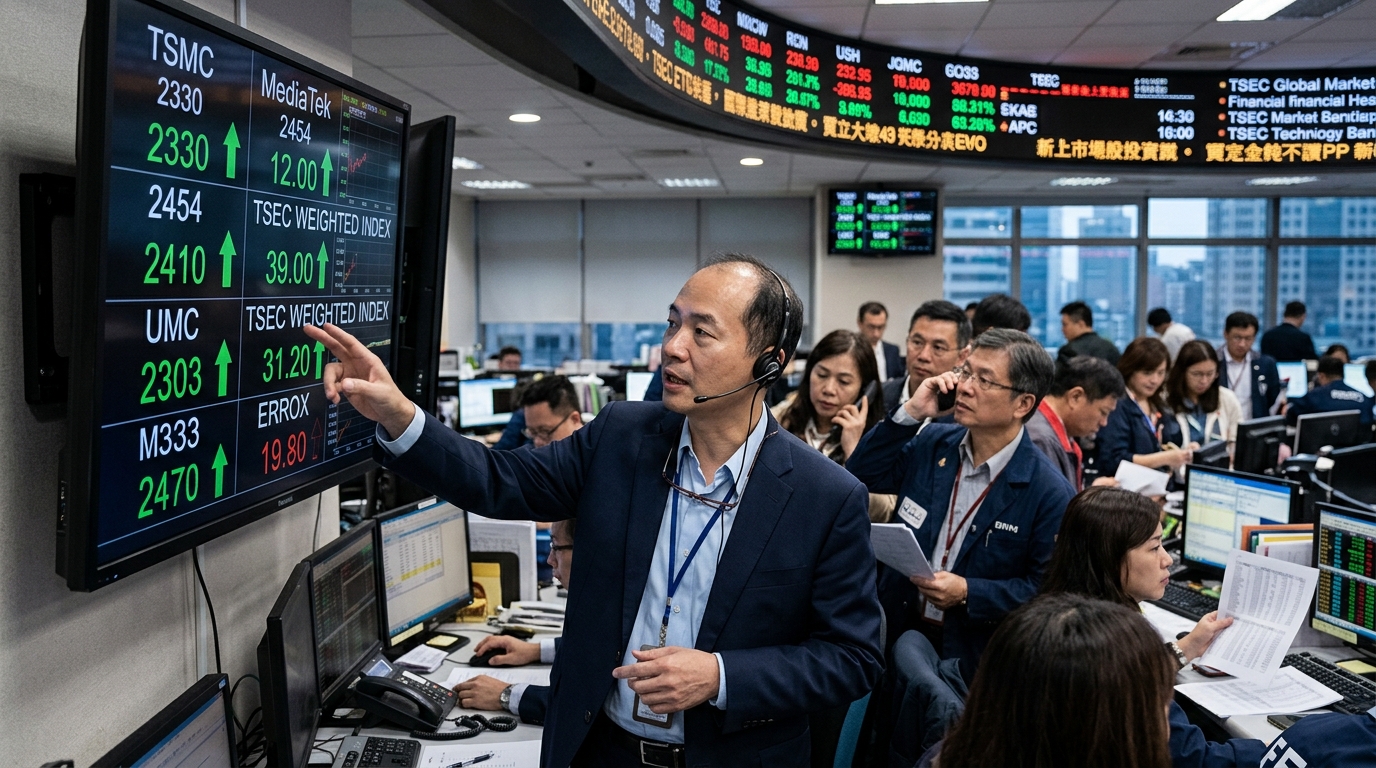
By April 2026, the global financial map has been redrawn beyond recognition. The rapid expansion of Artificial Intelligence (AI) has transformed semiconductors—the ubiquitous chips—into the most valuable resource of the 21st century. According to recent data from Bloomberg Tech, Taiwan and South Korea have solidified their positions at the top of global equity rankings, displacing traditional European powers like France and Germany.
The Great Shift of Economic Gravity
For decades, European markets were dominated by luxury goods, automotive giants, and banking institutions. However, the advent of Generative AI has radically shifted investor priorities. The demand for high-performance processors and next-generation memory has propelled the valuations of companies like TSMC (Taiwan Semiconductor Manufacturing Co.) and SK Hynix to unprecedented heights. Taiwan's market capitalization, driven almost entirely by its semiconductor ecosystem, recently surpassed France’s CAC 40, marking a historic moment where technological infrastructure outweighs industrial tradition and luxury branding.
"We are not just witnessing a bubble, but a fundamental reallocation of global wealth toward the regions that control the physical manifestation of the digital future," says a senior analyst at Morgan Stanley.
The Silicon Shield and South Korea's Dominance
South Korea, on the other hand, is seeing Samsung Electronics and SK Hynix monopolize the High Bandwidth Memory (HBM) market, which is essential for training Large Language Models (LLMs). The rise of the Korean market is not merely financial but geopolitical. The concept of the "Silicon Shield" has become a central theme in diplomatic circles. The world's dependence on Taiwanese and Korean foundries is so profound that their economic success acts as a deterrent to regional conflicts; a disruption in production would trigger a global economic collapse.
- TSMC now controls over 60% of the world's contract chip manufacturing.
- South Korea holds 70% of the global DRAM memory market.
- European markets are stagnating due to a lack of domestic "hyperscalers."
Europe's Search for Identity in the AI Era
While Asia accelerates, Europe finds itself in a precarious position. With the exception of the Dutch firm ASML, which provides the lithography machines necessary for chip fabrication, the Old Continent lacks companies that can compete at scale in AI hardware. The decline of European indices in global rankings reflects a deeper concern: Europe risks becoming a "consumer" of technology rather than a "producer." Investors are pulling capital from Germany's traditional industries, burdened by energy costs, and rerouting it to the technological incubators of East Asia.
Challenges and Future Outlook
Despite the impressive surge, significant risks remain. The hyper-concentration of power in just two geographic regions creates vulnerabilities in the global supply chain. Furthermore, Taiwan remains under constant threat from China, a fact that forces many investors to weigh the possibility of a sharp correction. However, for now, the thirst for AI outweighs the fear. Taiwan and South Korea are no longer "emerging markets" in the traditional sense; they are the new central banks of computational power.
In conclusion, the ascent of these Asian economies in global equity rankings is the clearest evidence yet that AI is not just software, but a physical infrastructure requiring massive hardware investment. Whoever controls the silicon controls the economic agenda of 2026.