In the feverish race for Artificial Intelligence dominance, most analysts focus on transistor counts, data center power consumption, and the latest algorithms from OpenAI or Google. However, an invisible and often neglected threat lurks deep within the earth's crust and in the world's narrow maritime passages. Helium, a noble gas most associate with party balloons, is the "lifeblood" of semiconductor manufacturing. A recent analysis reveals that 30% of the global helium supply depends on a single geographical route, jeopardizing global AI chip production.
The Essential Coolant of High Tech
Why is helium so critical? In the manufacturing of advanced chips that power Large Language Models (LLMs), processes reach extreme temperatures and require absolute purity. Helium is used to cool the magnets in Extreme Ultraviolet (EUV) lithography machines made by ASML, as well as serving as a protective atmosphere during the deposition of thin silicon films. Without it, the production of 3nm and 5nm chips by TSMC or NVIDIA would grind to a halt. The problem is that helium is non-renewable; it is a byproduct of natural gas extraction, and its collection is technically difficult and expensive.
The Geopolitical Risk of the Straits
Recent disruptions in global supply chains have highlighted a terrifying reality: a massive percentage of the helium consumed in the West and Asia originates from Qatar and Russia. The transport of this gas passes through geopolitical "hotspots," such as the Strait of Hormuz and the Red Sea. When 30% of global flow depends on the stability of a region in permanent turmoil, the $500 billion semiconductor industry is walking a tightrope. Russia's invasion of Ukraine had already caused tremors, as Gazprom's new facilities in eastern Siberia (Amur) were intended to become the primary supplier for China and Europe. Sanctions and technical accidents have rendered this source uncertain.
The Reaction of Giants and the Need for Recycling
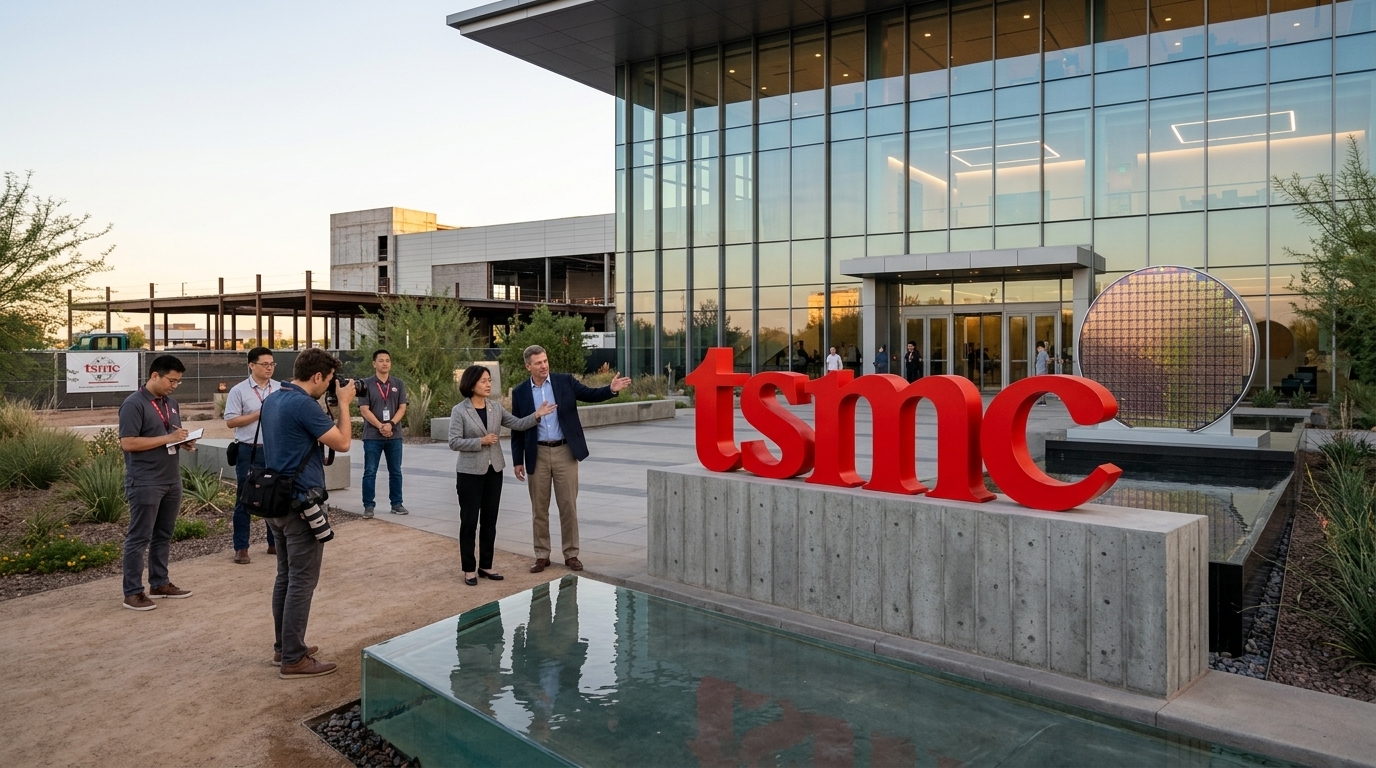
Major gas companies, such as Linde and Air Liquide, are attempting to diversify their sources by investing in deposits in the US, Canada, and Algeria. However, building new infrastructure takes years. In the meantime, the chip industry is turning to helium recycling technology. In the past, helium was simply vented into the atmosphere after use. Today, new production plants for Intel in Ohio and TSMC in Arizona are being designed with closed-loop systems that can recover up to 90% of the used gas. This shift is not just environmental but purely strategic: autonomy is the only defense against geopolitical blackmail.
Conclusion: AI is Earthbound
The lesson from the helium crisis is clear: the digital economy does not float in the "cloud"; it is rooted in physical resources that are finite and geographically concentrated. Whether peace or war prevails, depending on a single route for such a critical material is a risk the AI industry can no longer ignore. The next phase of technological development will not only be decided by who has the best code, but by who has secured access to the elements of the periodic table.