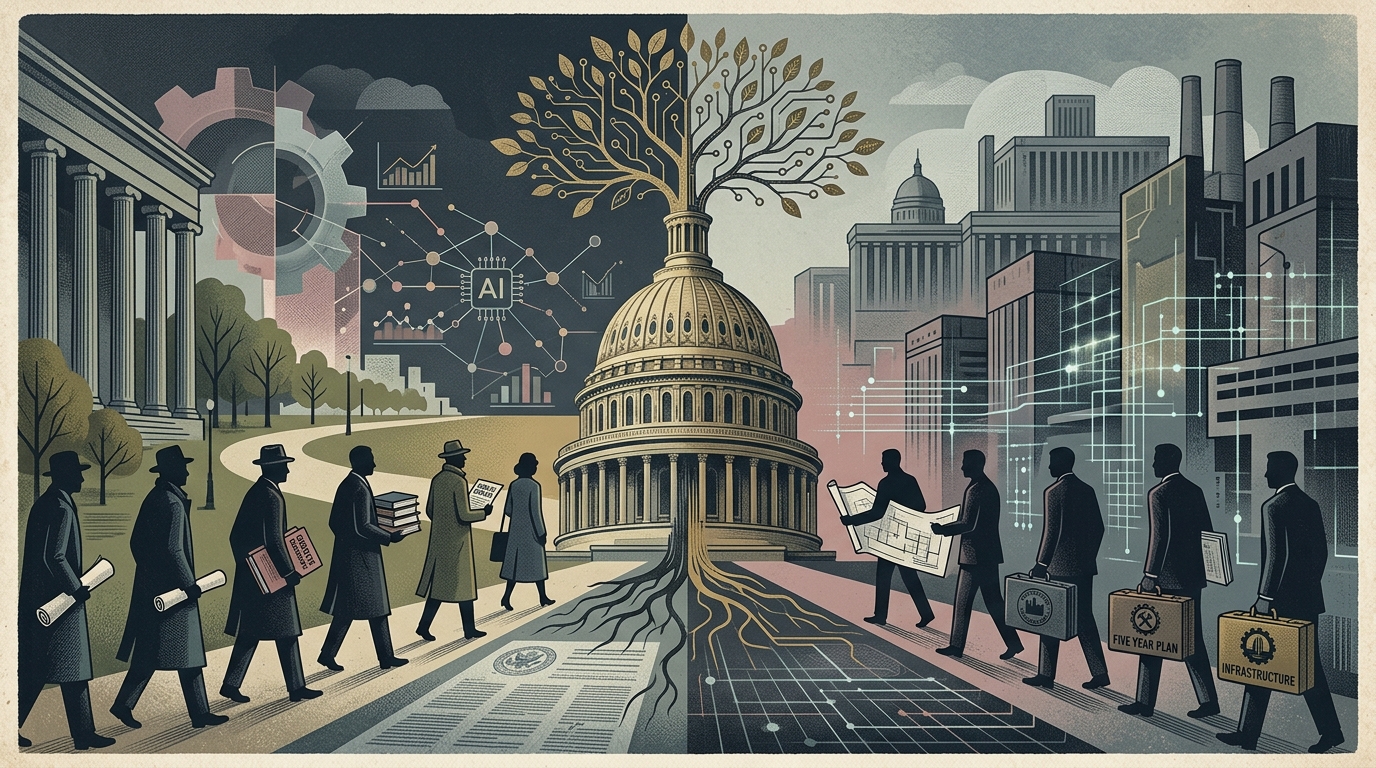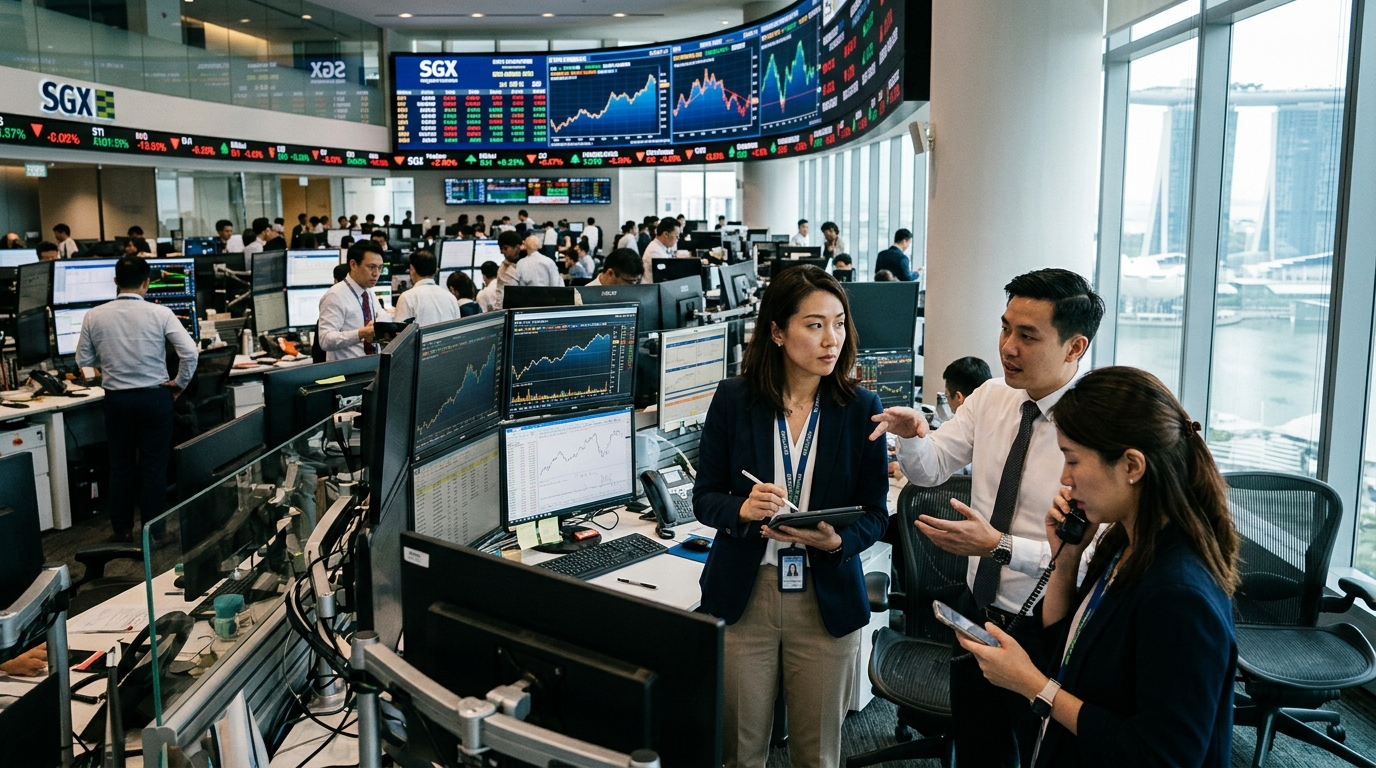
In the global chess game of technological supremacy, the rules are changing at a pace that exceeds even the most optimistic analyst forecasts. Artificial Intelligence (AI) is no longer just a field of innovation; it is a capital "black hole" requiring unprecedented resources. As Big Tech giants—Microsoft, Google, Meta, and Amazon—scramble to fund the construction of massive data centers and the procurement of expensive semiconductors, a new phenomenon is emerging: a strategic "migration" toward Southeast Asia, with Singapore at its epicenter.
The Architecture of Funding: Bonds and CAPEX
To understand the scale of the challenge, one only needs to look at the balance sheets. Capital expenditures (CAPEX) for the four largest market players are expected to exceed $200 billion through 2024-2025. This staggering sum isn't just coming from cash reserves. Companies are leveraging their stellar credit ratings to raise "cheap" money from bond markets, despite relatively high interest rates. The logic is simple: the cost of being late to the AI infrastructure race is far greater than the interest on a corporate bond.
Investors are watching with a mix of awe and skepticism. Wall Street is increasingly asking when these expenditures will translate into net profitability. However, for CEOs like Satya Nadella or Mark Zuckerberg, the risk of under-investing is existential. Raising capital through the markets allows these behemoths to maintain their dominance, effectively stifling potential competition from smaller startups that lack access to such liquidity.
Why Singapore? The New Tech "El Dorado"
Singapore was not chosen as the next major hub by accident. While Europe is bogged down in labyrinthine regulatory restrictions (the AI Act) and the US faces persistent political polarization, Singapore offers something rare: stability, low taxation, and a government that treats AI as a national priority for survival.
- Strategic Location: It serves as the primary gateway to the emerging markets of Asia, including Indonesia, Vietnam, and Thailand.
- Infrastructure: It boasts some of the world's most advanced fiber-optic networks and energy interconnections.
- Regulatory Environment: Singapore’s "Model AI Governance Framework" is widely considered the most business-friendly, providing legal certainty without stifling innovation.
Recent announcements from Microsoft regarding billion-dollar investments in the region, coupled with the expansion of Nvidia and Google, confirm that the center of gravity is shifting eastward. Singapore offers more than just tax breaks; it provides a talent ecosystem fueled by world-class universities and an aggressive policy for attracting foreign scientists.
Geopolitics and the Strategy of "Neutrality"
Against the backdrop of the US-China trade war, Singapore plays the role of the "honest broker." American companies can operate there without provoking immediate ire from Beijing, while simultaneously protecting their intellectual property under a Western-style legal system. This "migration" is, in reality, a move of geopolitical hedging. Big Tech is building fortresses in territories less likely to become battlegrounds in an all-out economic war.
"AI is no longer a product; it is the new electricity. And Singapore is building the world's largest power plant for this energy," noted a senior analyst at JP Morgan.
The Energy Challenge and the Future
Despite the optimism, hurdles remain. Singapore is a small island with limited resources. Operating AI data centers requires massive amounts of energy and water for cooling. The challenge for Big Tech is to reconcile their expansion with sustainability (ESG) goals. Already, companies are investing in renewable energy projects in neighboring countries to power their facilities in Singapore.
In conclusion, the move by Big Tech to raise capital from markets to fund their "landing" in Singapore signals a new phase of platform capitalism. It is no longer just about code; it is about physical presence, energy, and geopolitical influence. Whoever controls the infrastructure in Singapore will control the digital future of Asia and, by extension, the world.