In today's digital economy, a phenomenon is unfolding that strongly echoes the California Gold Rush of the 19th century. Back then, those who truly struck it rich weren't the prospectors, but the merchants selling shovels and pickaxes. Today, the role of the prospectors is played by Silicon Valley giants—Microsoft, Meta, Google, and Amazon—who are investing astronomical sums into Artificial Intelligence. However, the true winners of the current phase are the semiconductor manufacturers, with Nvidia leading a race that is reshaping the global economic map.
The Capex Explosion: Investing at Any Cost
Recent financial reports from Big Tech firms reveal a staggering reality: capital expenditure (Capex) has skyrocketed to levels that are making Wall Street investors dizzy. Microsoft and Google have announced spending in the tens of billions of dollars per quarter, with the lion's share going toward hardware procurement and data center construction. This "invest at any cost" strategy is fueled by the fear of falling behind. In the world of AI, lagging in computational power is equivalent to technological obsolescence.
Yet, this massive influx of capital has not yet translated into proportional profits from AI services themselves. While Microsoft's Copilot or Google's Gemini show increasing adoption, the revenue from these subscriptions is a mere fraction of the money spent training the models. This creates a profitability gap that markets are beginning to eye with concern. Big Tech is essentially subsidizing the development of the next generation of the internet, betting on a future dominance that is not yet guaranteed.
The Nvidia Monopoly and TSMC's Pivotal Role
On the other side of the fence, Nvidia is enjoying a historic period of profitability. The company's profit margins hover around 75%, an unprecedented figure for a hardware manufacturer. The H100 processors and the newer Blackwell architecture have become the most valuable commodities on the planet, with waiting lists stretching for months. Nvidia isn't just selling chips; it's selling the "ticket" to enter the AI era.
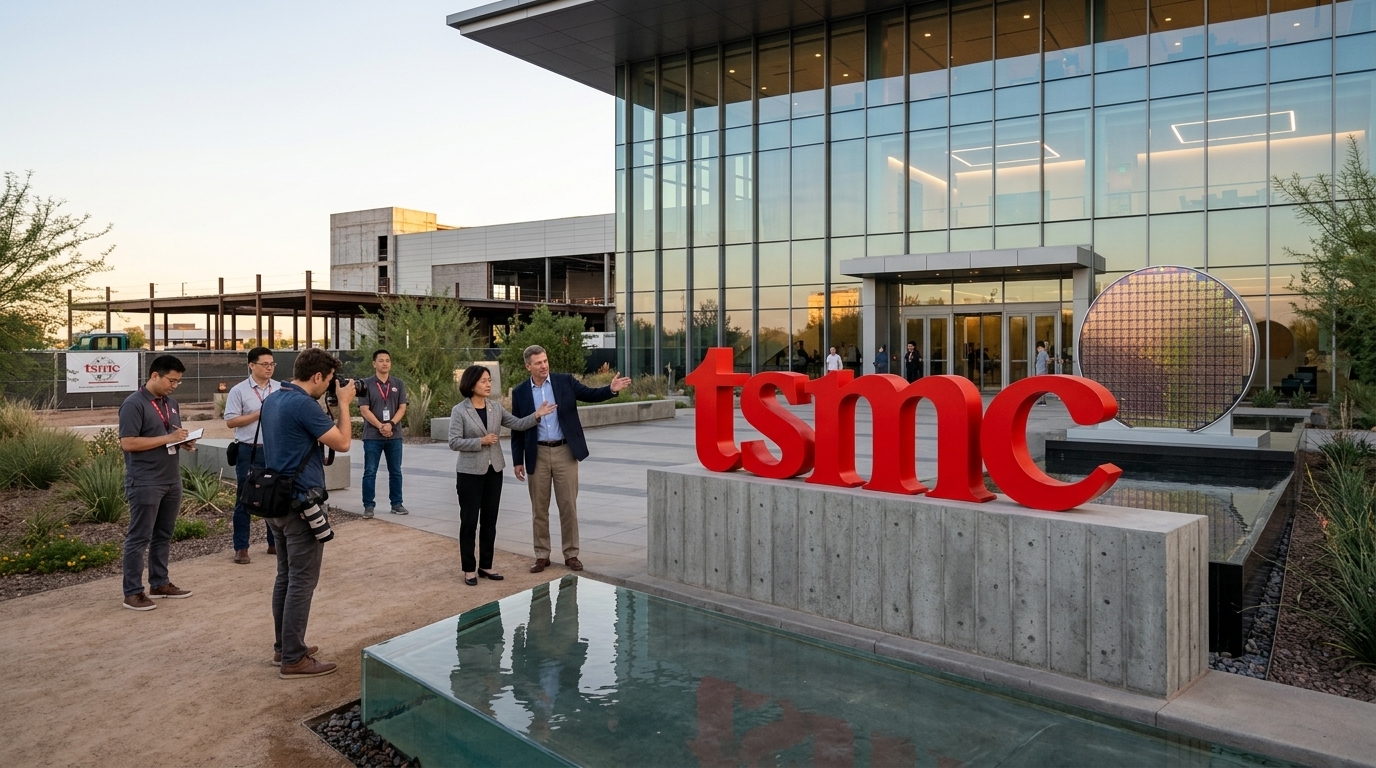
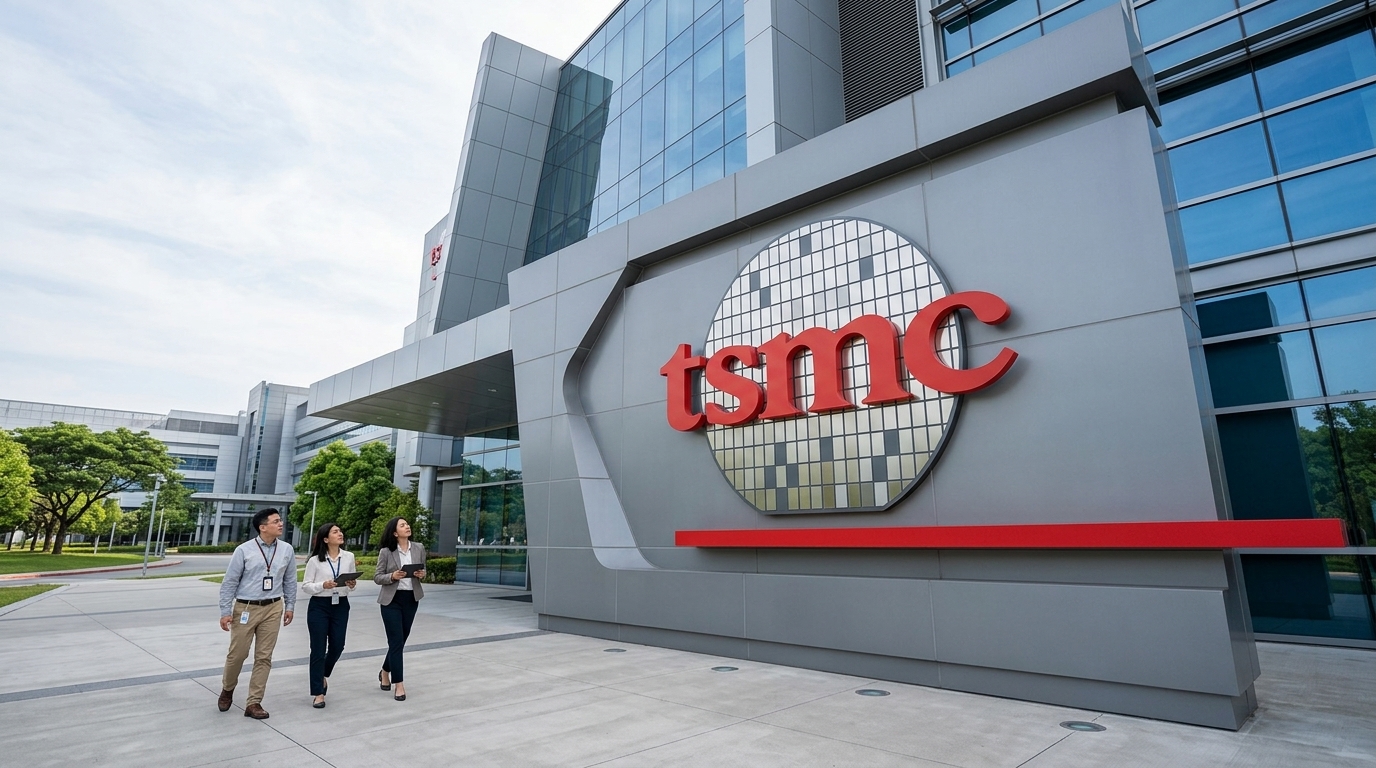
Behind Nvidia stands TSMC (Taiwan Semiconductor Manufacturing Company), the only manufacturer in the world capable of producing these ultra-advanced semiconductors at scale. The global economy's reliance on a single factory in Taiwan creates a geopolitical fragility that influences prices and strategic decisions. Chip companies have successfully turned manufacturing complexity into an impenetrable "moat," ensuring that every dollar Big Tech spends on AI first passes through their coffers.
The Search for Software Profitability
The big question looming over the industry is when—and if—software applications will begin to generate profits that justify these investments. Technology history teaches us that infrastructure always precedes applications. Just as fiber optics had to be laid before Netflix could be born, GPU clusters are now being built to give rise to the applications that will change our daily lives.
- Enterprise Automation: Using AI to reduce operational costs in large corporations is the first area with immediate ROI.
- Personalized Medicine: Data analysis for drug discovery promises massive long-term returns.
- Office Productivity: Content and code generation tools increase speed, but their pricing remains a gamble.
"Artificial Intelligence is a capital black hole for now, but it is a black hole that no one can ignore without risking their very existence."
Vertical Integration and the Road to 2030
Facing the "Nvidia tax," companies like Amazon and Google have begun designing their own processors (TPUs and Trainium). This trend toward vertical integration is the only way to reduce dependence on external suppliers and improve profit margins. However, designing a chip is only half the battle; manufacturing remains in the hands of a very few players.
In conclusion, we are moving through a period where value is shifting from the software layer to the hardware layer. This reversal of traditional Silicon Valley roles will continue as long as the demand for computing power exceeds supply. For investors, the challenge is to discern which of Big Tech's "gold mines" will yield fruit and which will remain as expensive monuments to technological excess. The next five years will determine if AI is an infrastructure bubble or the foundation of a new industrial revolution.