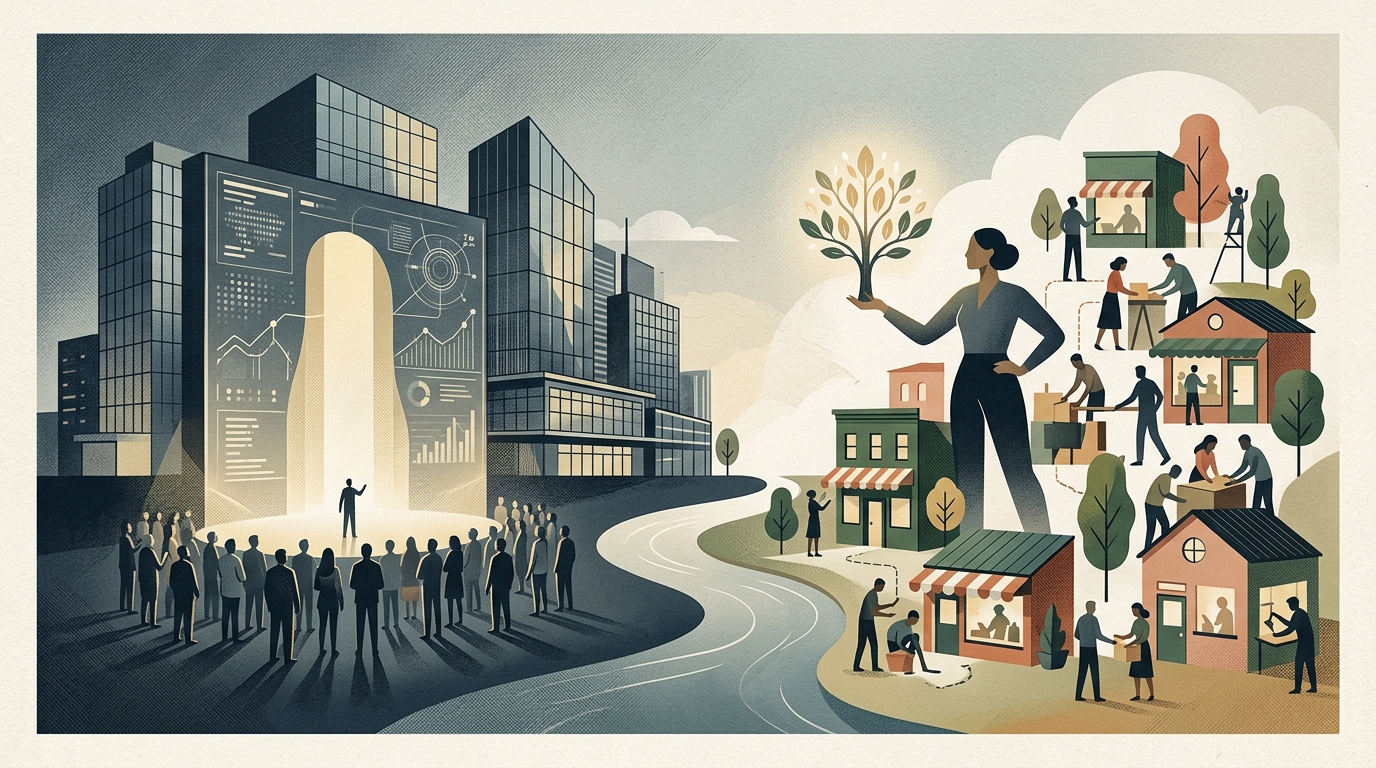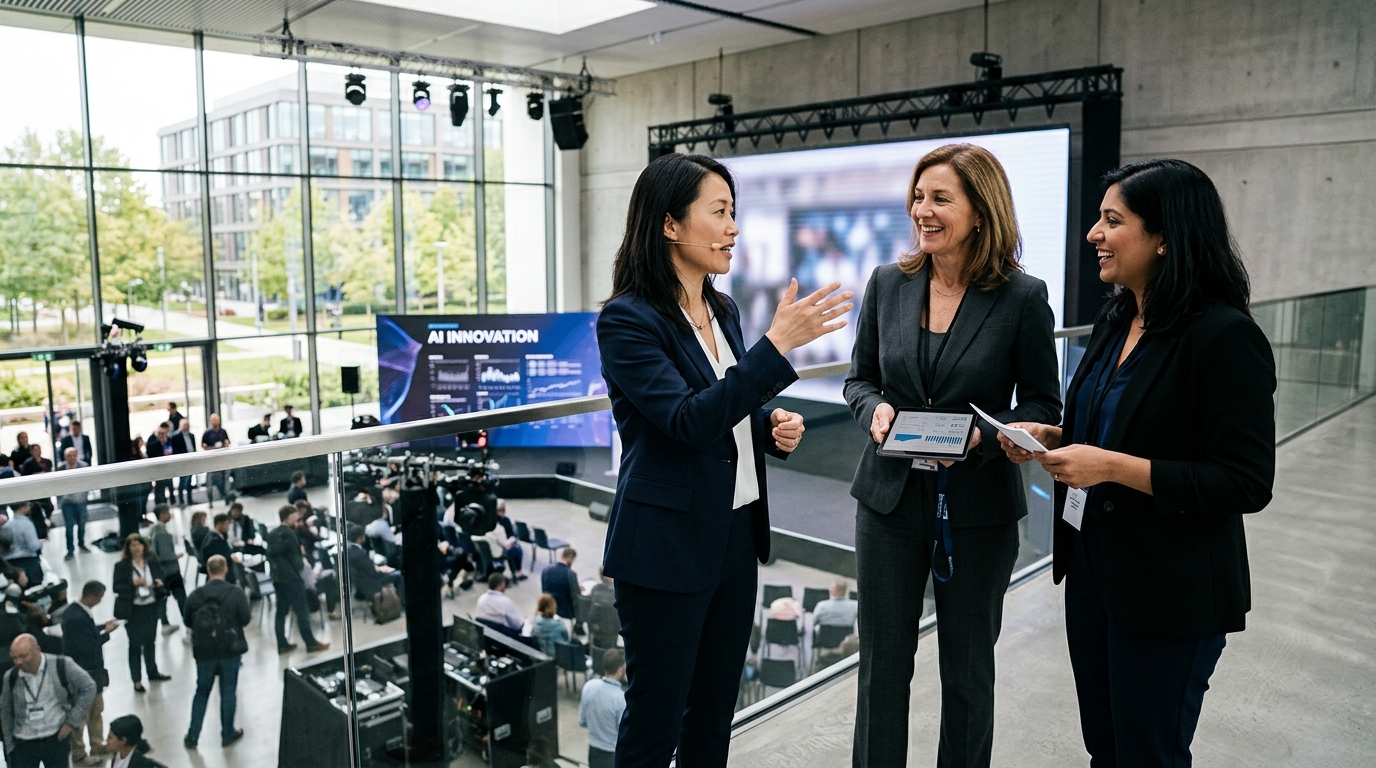
The era when Artificial Intelligence (AI) was considered an exclusively technical matter confined to developer labs is long gone. Today, AI is the central pillar of corporate strategy, influencing everything from supply chains to talent management. In this new landscape, a remarkable trend is emerging: women executives are taking the helm of AI strategy in some of the world's largest organizations. This development is not accidental; it reflects a profound shift in how businesses perceive technology.
The Shift from Technology to Ethics and Governance
As companies integrate Generative AI, the challenges they face are no longer just technical. The primary question is no longer "can we build it?" but "should we use it this way?" Herein lies the power of female leadership. Research consistently shows that women leaders tend to place a greater emphasis on ethical governance, transparency, and risk management.
In a world where algorithms can replicate biases or expose sensitive data, the need for a holistic approach is imperative. Women executives often bring a multi-dimensional perspective to the table, connecting technological innovation with human impact. This "soft power" is being converted into a "hard asset" for companies seeking to build trust with customers and shareholders alike.
Navigating the "Glass Cliff" and Building Resilience
The term "glass cliff" describes the phenomenon where women are placed in leadership positions during times of crisis or high risk. The current AI explosion is precisely such a period of uncertainty. Organizations are looking for leaders who can navigate uncharted waters with empathy and strategic composure. Women, having often traversed more difficult paths to reach the top, possess the resilience required to manage the disruptions caused by digital transformation.
- Focus on long-term sustainability over short-term gains.
- Ability to synthesize diverse viewpoints within the organization.
- Capacity to communicate complex technological concepts to non-technical audiences.
Bridging the Gap Between Tech and Humanity
AI in its current form requires a deep understanding of language, psychology, and social dynamics. It is no coincidence that many of the top "Chief AI Officer" positions are held by women coming from diverse backgrounds, not just computer science. This interdisciplinary approach allows businesses to integrate AI in a way that augments human labor rather than blindly replacing it.
"Leadership in the age of AI is not about the dominance of the machine, but about the empowerment of human capital through technology," market analysts suggest.
Globally, while the gender gap in STEM remains a challenge, the move toward strategic AI leadership is providing a new pathway for female excellence. Companies are realizing that diversity in AI decision-making is not just a matter of social justice but a strategy for survival and competitive advantage.
Conclusion: A New Era of Corporate Culture
The prominence of women executives in AI strategy signals the end of the "move fast and break things" era. The new approach is "move thoughtfully and build trust." As technology becomes increasingly autonomous, the need for human oversight with high emotional intelligence becomes the most valuable currency in the global market. Women are not just defining AI strategy; they are redefining what it means to be a leader in the 21st century.