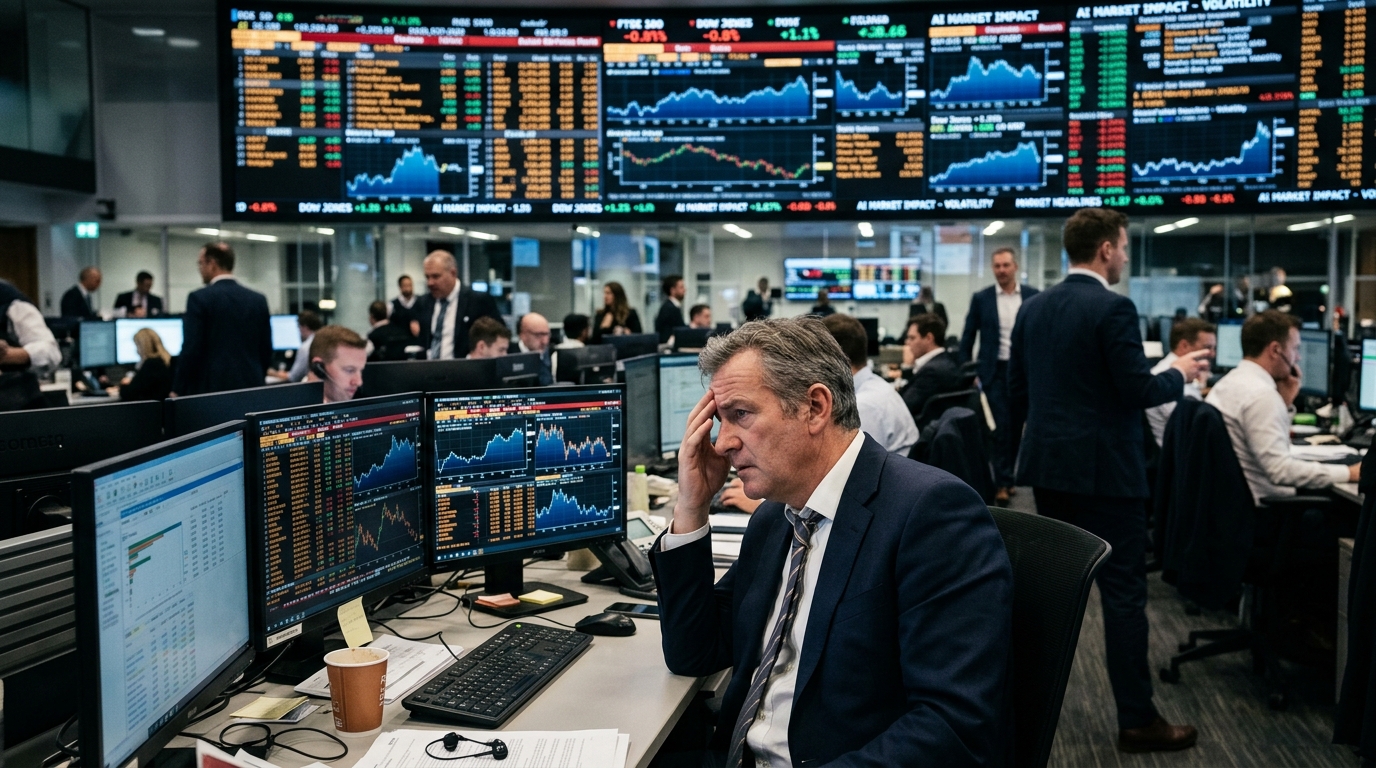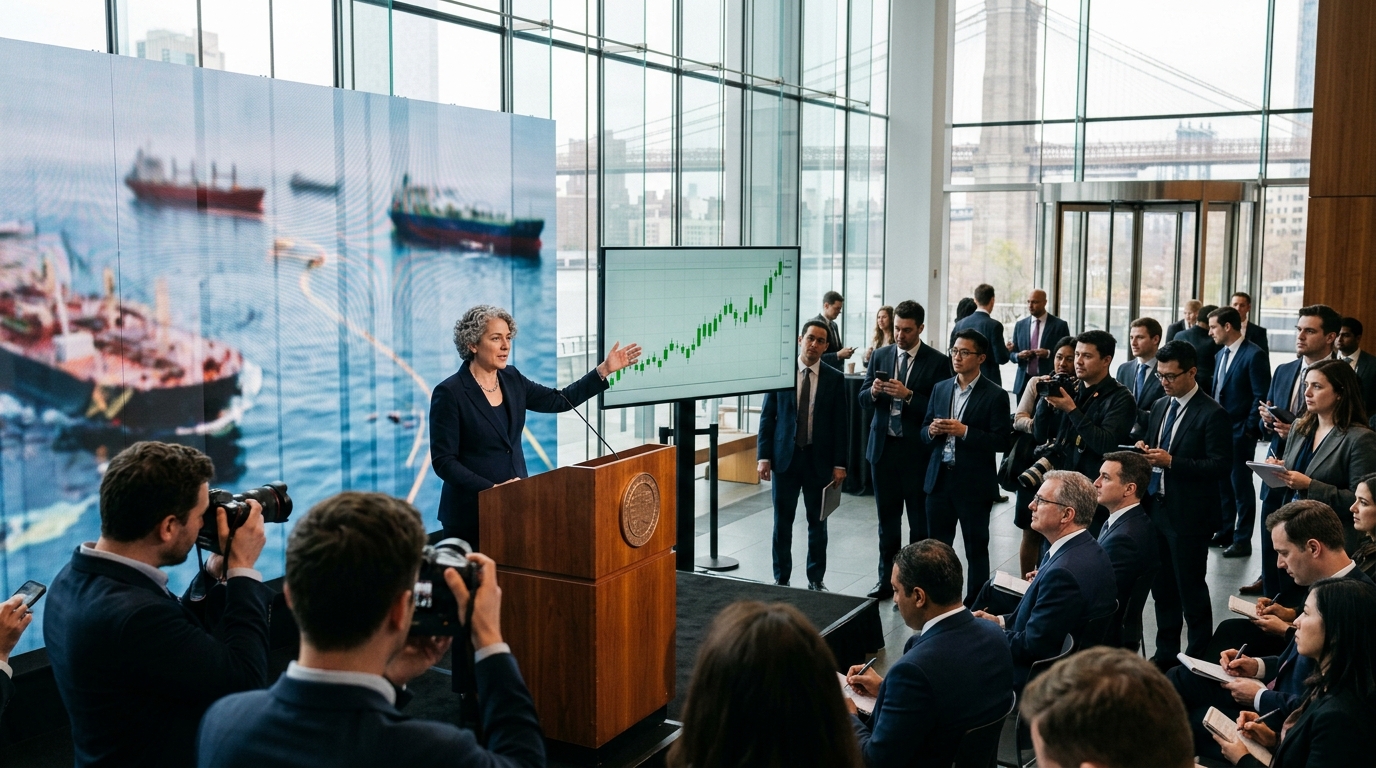
In a historic trading session reflecting a profound sense of global relief, Wall Street surged on Friday, extending a remarkable April rally. The primary driver behind this exuberance is the growing prospect of an end to the conflict with Iran, punctuated by the reopening of the Strait of Hormuz. The restoration of maritime traffic in one of the world’s most critical energy chokepoints has acted as a powerful catalyst, restoring investor confidence and recalibrating global risk assessments.
The Geopolitical Relief Valve and Energy Security
The Strait of Hormuz is often described as the world's most important oil artery, with approximately 20% of global petroleum consumption passing through its narrow waters. Its closure during the peak of the recent hostilities had sent shipping costs and energy prices skyrocketing, fueling inflationary pressures that threatened to derail the post-pandemic recovery. With the reopening, analysts anticipate a rapid normalization of global supply chains.
Olaolu Aganga, Citi Wealth’s Head of Portfolio Construction, noted that the market's reaction was an "explosive" response to the de-escalation. "What we are witnessing is the pricing in of a 'peace dividend'," Aganga remarked. "Investors are rotating out of safe-haven assets and back into high-risk vehicles as the specter of a systemic energy crisis recedes." The subsequent dip in Brent crude prices below $85 per barrel has provided much-needed breathing room for central banks, offering more flexibility in their monetary policy trajectories.
The Risk-On Surge: From the S&P 500 to Bitcoin
The S&P 500, the definitive benchmark for American equities, hit a succession of record highs throughout the week. This rally was not merely a tech-driven phenomenon; it broadened into industrial and transport sectors, which are highly sensitive to fuel costs and trade stability. However, the most dramatic movements were seen in the digital asset space.
Bitcoin, increasingly viewed as a barometer for global liquidity and risk appetite, surged by approximately $12,000 in a matter of days. This spike suggests that investors are no longer just seeking a hedge against instability but are actively betting on a new era of technological and economic expansion supported by Middle Eastern stability. Inflows into U.S.-based Spot Bitcoin ETFs reached record levels, as institutional portfolios rebalance for a "soft landing" scenario for the global economy.
Citi Wealth’s Strategy and the Future of Portfolios
Analysis from Citi Wealth highlights a significant shift in risk management paradigms. As gold and sovereign bonds—traditional wartime shelters—experienced increased volatility, Aganga advocates for a more opportunistic stance. "Our strategy is shifting from defense to capturing the alpha generated by the restoration of trade routes," she stated. Investors are now prioritizing companies with strong fundamentals that were previously discounted due to geopolitical risks.
- Technology Sector: Reduced uncertainty favors long-term capital expenditure in AI infrastructure and semiconductors.
- Credit Markets: Corporate credit spreads are narrowing, signaling increased confidence in corporate solvency and cash flows.
- Emerging Markets: Energy-importing economies are expected to outperform in the coming quarter as their trade balances improve.
Analytical Outlook and Cautionary Notes
Despite the prevailing euphoria, seasoned market observers warn that the path to a lasting peace is rarely linear. While the reopening of the Strait of Hormuz is a monumental step, the diplomatic process remains delicate. Markets have a tendency to price in the best-case scenario prematurely, which could lead to sharp corrections should negotiations stall or face setbacks.
"The market reacts not just to events, but to the narrative of what comes next. Right now, the narrative is one of global stabilization and renewed cooperation," Aganga concludes.
In summary, April 2026 is shaping up to be a pivotal month in financial history—a period where geopolitical reason triumphed over fear, allowing capital to flow back toward innovation and growth. Wall Street, having moved past the shadow of an energy-driven conflict, is now looking toward the horizon with renewed optimism, albeit with a watchful eye on the remaining diplomatic hurdles.