The evolution of e-commerce is approaching a critical tipping point as Getnet, Santander's global payment provider, announced the integration of capabilities supporting what is known as "Agentic Commerce." This move is not merely a technical upgrade but a fundamental shift in how we perceive the purchasing process. For decades, commerce has relied on human interaction with an interface—a click, a swipe, a confirmation. Today, Santander is laying the groundwork for a world where machines buy from machines, representing their humans with unprecedented autonomy.
What is Agentic Commerce and Why Does It Matter?
Agentic Commerce refers to the use of autonomous Artificial Intelligence agents (AI Agents) that are authorized to make decisions and execute transactions on behalf of users or businesses. Instead of a consumer searching for the cheapest product or the best deal across ten different sites, they assign their digital agent a mission: "Find me the best pair of running shoes for my needs, at the best price, and buy them." The agent doesn't just suggest; it executes.
Getnet, recognizing this trend, is developing the infrastructure that will allow merchants to accept payments from these digital agents. This requires new protocols for security, identification, and data management. As company executives stated, the challenge lies in creating an "ecosystem of trust" where the agent's identity is inextricably linked to the account holder's authorization, ensuring that autonomy does not lead to financial loss or fraud.
Santander’s Strategy and Getnet’s Role
Santander, through Getnet, seeks to position itself as the indispensable intermediary in this new economy. With its global reach, Getnet can offer merchants the tools to "speak" the language of AI agents. This includes APIs that allow machines to understand product catalogs, pricing, and shipping terms without the need for a visual user interface (UI).
- B2B Automation: At the enterprise level, Agentic Commerce can revolutionize the supply chain. A factory could have an agent that monitors inventory and automatically purchases raw materials when market prices drop below a certain threshold.
- Personalization at Scale: Merchants who are "agent-ready" will be able to offer dynamic pricing and promotions targeted directly at their customers' algorithms.
- Friction Reduction: Eliminating the traditional "checkout" reduces the chances of cart abandonment, as the transaction is completed instantly by the agent.
"The future of commerce is not about how humans use the internet, but about how their digital representatives navigate the economy on their behalf," states Getnet's analysis.
Challenges and the Question of Ethics
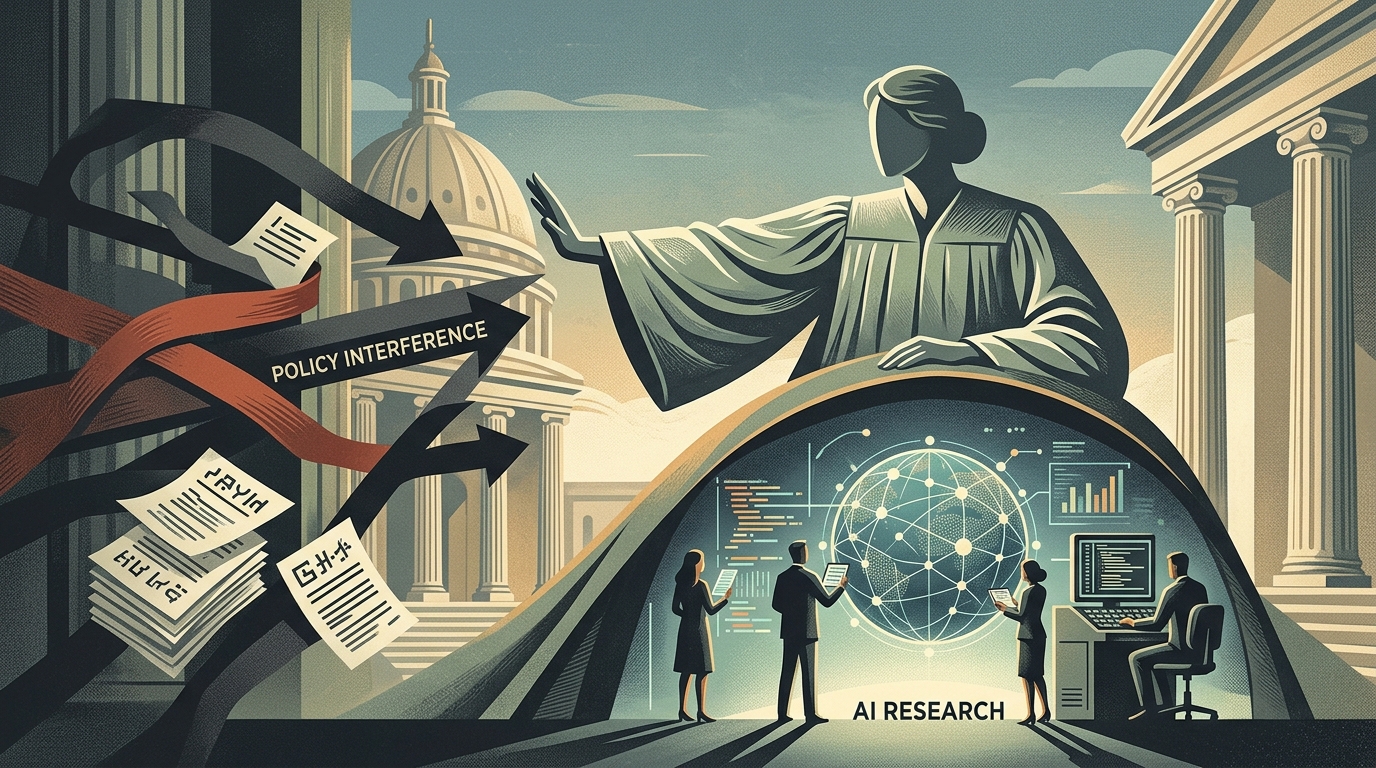
Despite the promises of efficiency, Agentic Commerce raises serious questions. Who bears the responsibility if an AI agent makes a wrong purchase? How is personal data protected when an algorithm knows an individual's financial capabilities and preferences in such depth? Santander emphasizes that security and regulatory compliance are the pillars upon which Getnet is built. However, regulators in Europe and the US are still in the early stages of understanding these autonomous economic entities.
Furthermore, there is the risk of "algorithmic exclusion." If merchants optimize their stores only for the most sophisticated AI agents, what happens to traditional consumers or those who do not have access to such tools? Getnet argues that its technology will be inclusive, but the history of technological adoption shows that the gap often widens before it closes.
Conclusion: The End of Commerce as We Know It?
Santander's move to introduce merchants to Agentic Commerce marks the beginning of the end for traditional e-commerce. As we move from "e-commerce" to "a-commerce" (agentic commerce), the focus shifts from image marketing to data marketing. The businesses that survive will be those that manage to convince not only humans but also their algorithms that they offer the best value. Getnet provides the "plumbing" for this new era, but the flow of the economy will depend on how ready we are to trust the judgment of our machines.