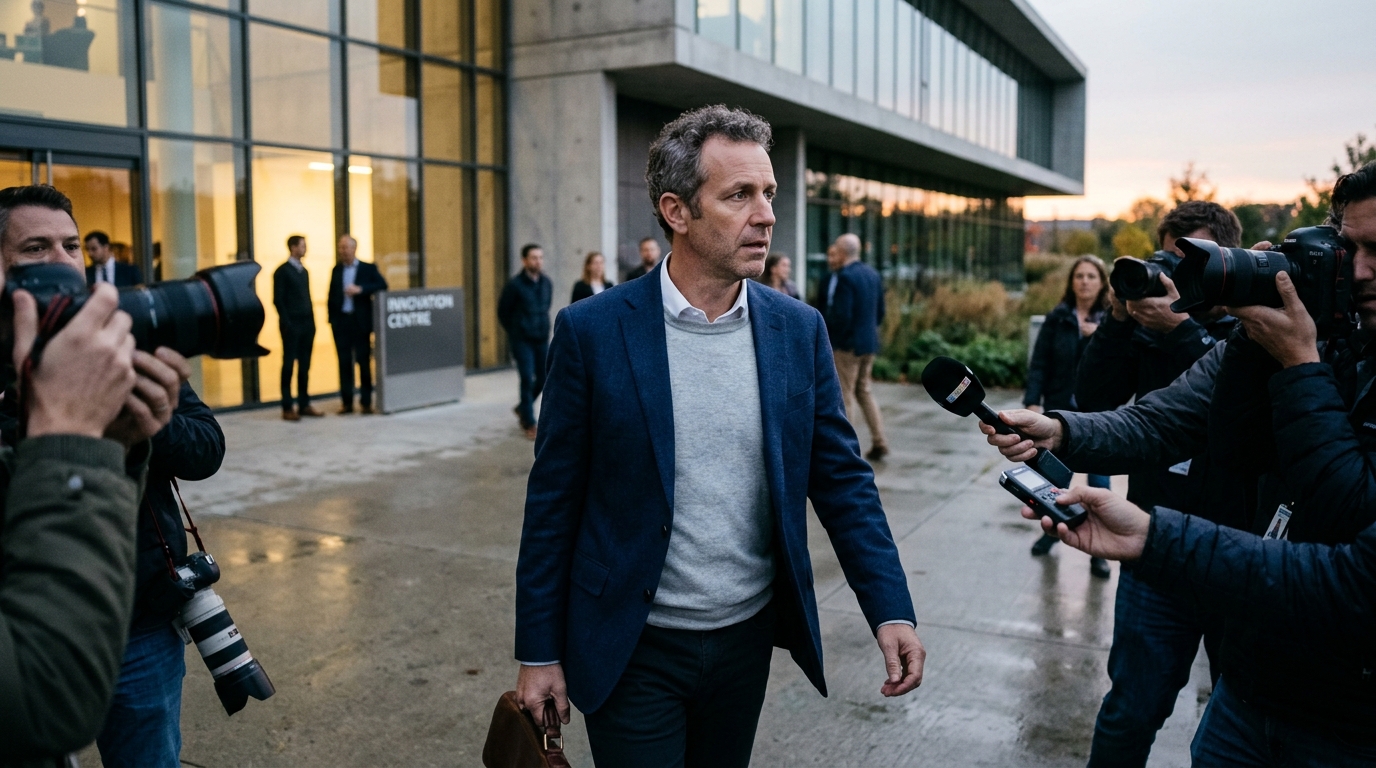
OpenAI, the undisputed vanguard of the generative AI revolution, is facing one of the most formidable legal challenges in its short but explosive history. According to recent reports, a broad coalition of U.S. Attorneys General from multiple states has launched a coordinated investigation into whether the company’s products, including ChatGPT, have caused user harm or violated consumer protection laws. The timing could not be more precarious for Sam Altman and OpenAI’s leadership, as the company is in the final stages of preparing for an Initial Public Offering (IPO) expected to be one of the largest in Silicon Valley history.
The Anatomy of a Multistate Probe
The investigation, conducted with increasing intensity behind closed doors, focuses on three primary pillars: data privacy, the generation of deceptive information (hallucinations), and the potential psychological impact on minor users. The Attorneys General appear to be examining whether OpenAI took sufficient steps to prevent users from being exposed to harmful content or if it sacrificed safety in the name of rapid growth and market dominance.
A significant focus is being placed on how the company trains its models. Authorities are investigating whether the ingestion of vast amounts of internet data without explicit consent constitutes a privacy violation on an unprecedented scale. Furthermore, AI "hallucinations"—instances where the AI presents false facts as truth—are now being viewed by prosecutors as potentially deceptive trade practices, especially when they involve personal reputations or critical medical and legal advice.
The IPO Shadow and Investor Anxiety
For OpenAI, which has transformed from a non-profit research lab into a corporate behemoth valued at tens of billions of dollars, the IPO represents the culmination of a journey fraught with tension. However, regulatory scrutiny of this magnitude acts as a major red flag for institutional investors. Wall Street detests uncertainty, and an ongoing investigation by multiple state authorities could lead to massive fines or, worse, mandated drastic changes to the company’s core algorithmic functions.
Analysts suggest that if the investigation escalates into a protracted legal battle, OpenAI might be forced to delay its public debut until 2027 or later. Such a delay would impact employee liquidity and the company’s ability to raise the massive capital required for training next-generation models like the rumored GPT-5, which demand billions in computational resources.
AI Ethics on Trial
Beyond the financial implications, the probe brings the fundamental question of accountability back to the forefront: Who is responsible when an autonomous system causes harm? OpenAI has consistently argued that its models are tools and that users bear the ultimate responsibility for verifying information. However, regulators are taking a harder line, suggesting that tech companies must be accountable for their "products" much like pharmaceutical companies are held liable for the side effects of their drugs.
- Protection of Minors: There are reports of inappropriate interactions that bypass safety filters.
- Algorithmic Transparency: Prosecutors are demanding to know exactly how decisions are made regarding what is deemed "safe" content.
- Competition: Investigations are looking into whether OpenAI’s dominant position stifles the development of safer alternatives.
Conclusion and Outlook
OpenAI stands at a crossroads. Its ability to navigate this legal labyrinth will determine not only its own future but also the regulatory landscape for the entire AI industry. If the company manages to reach a settlement with the states, the IPO may proceed, albeit with some adjustments to its valuation. However, if the Attorneys General decide to push for a full-scale confrontation, OpenAI could become the cautionary tale for Silicon Valley, proving that the era of "move fast and break things" is officially over for artificial intelligence.