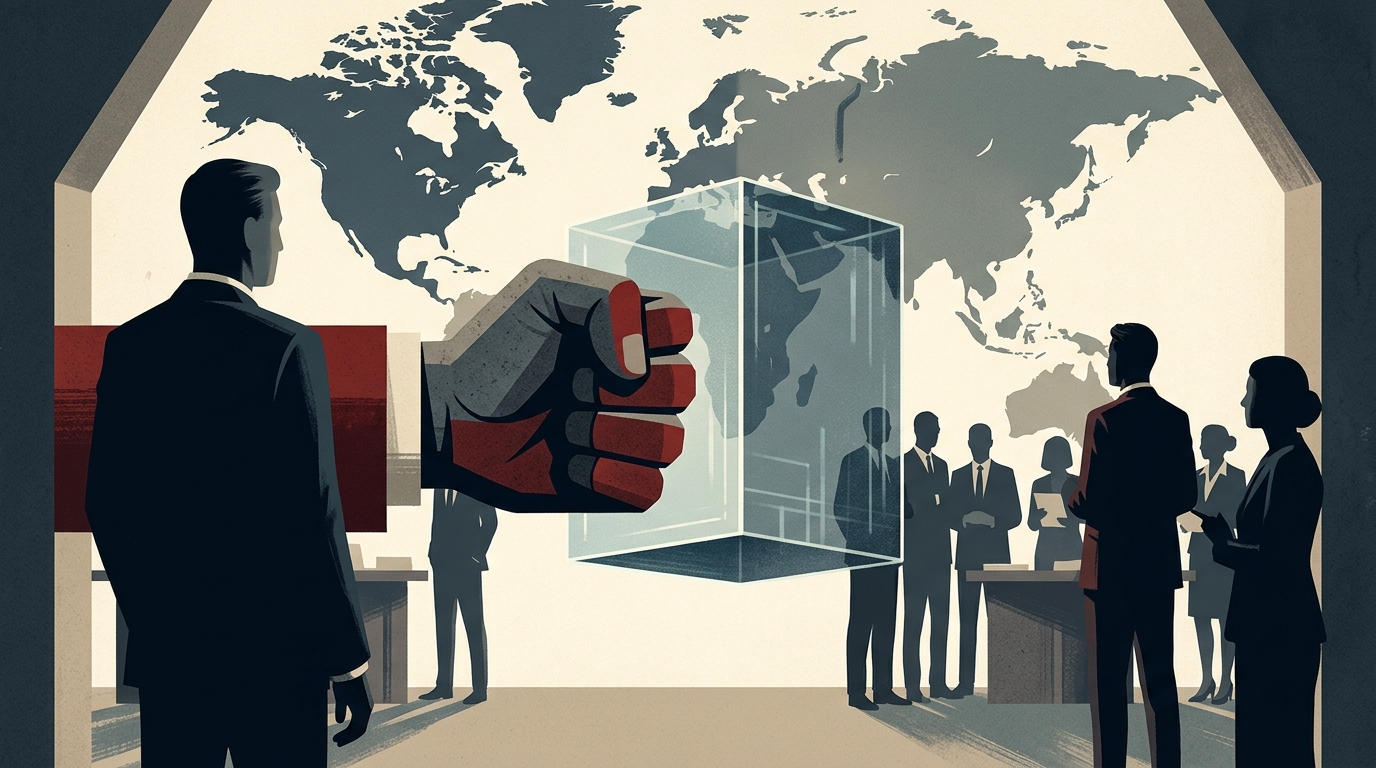
In an unprecedented display of state power over the technology sector, the Trump administration has announced a temporary moratorium on the release of Anthropic’s next-generation AI model, Claude 4. The decision, executed through the Department of Commerce and invoking the International Emergency Economic Powers Act (IEEPA), marks a radical shift in U.S. policy, effectively reclassifying high-end AI from a commercial product to a controlled strategic asset.
The National Security Justification
According to the official White House statement, internal “red-teaming” conducted by government agencies revealed that the new model possesses “concerning capabilities” in the realms of offensive cyber operations and biological weapon synthesis. The administration argues that the release of the model’s weights, even within a controlled API environment, poses an unacceptable risk of exfiltration by adversarial states such as China and Russia.
The National Security Advisor stated bluntly: “We cannot allow American companies to build the digital equivalent of a nuclear weapon and then put it on the open market without rigorous state oversight. The era of unchecked development is over.” This rhetoric reflects a core tenet of the “America First” doctrine: U.S. technological supremacy must be protected at all costs, even if it necessitates restraining domestic innovation and private enterprise.
The Backlash from Anthropic and Silicon Valley
Anthropic, a company founded specifically with a focus on “AI safety” and ethical development, now finds itself in an ironic predicament. The company’s leadership issued a statement expressing profound disappointment, emphasizing that Claude 4 was developed using “Constitutional AI” protocols designed to self-limit harmful outputs. “This decision ignores the robust safety guardrails we have already pioneered,” the company stated, warning that such prohibitions could trigger a brain drain to Europe or Asia.
Market analysts view this move as the dawn of a new “state capitalism” in the tech sector. Silicon Valley, which has historically operated with minimal federal interference, is now grappling with a White House that views code as ammunition. The concern is widespread: If the government can halt Anthropic, who is next? OpenAI? Google? Meta? The precedent set today suggests that the threshold for government intervention has been significantly lowered.
Geopolitical Implications and the Race with China
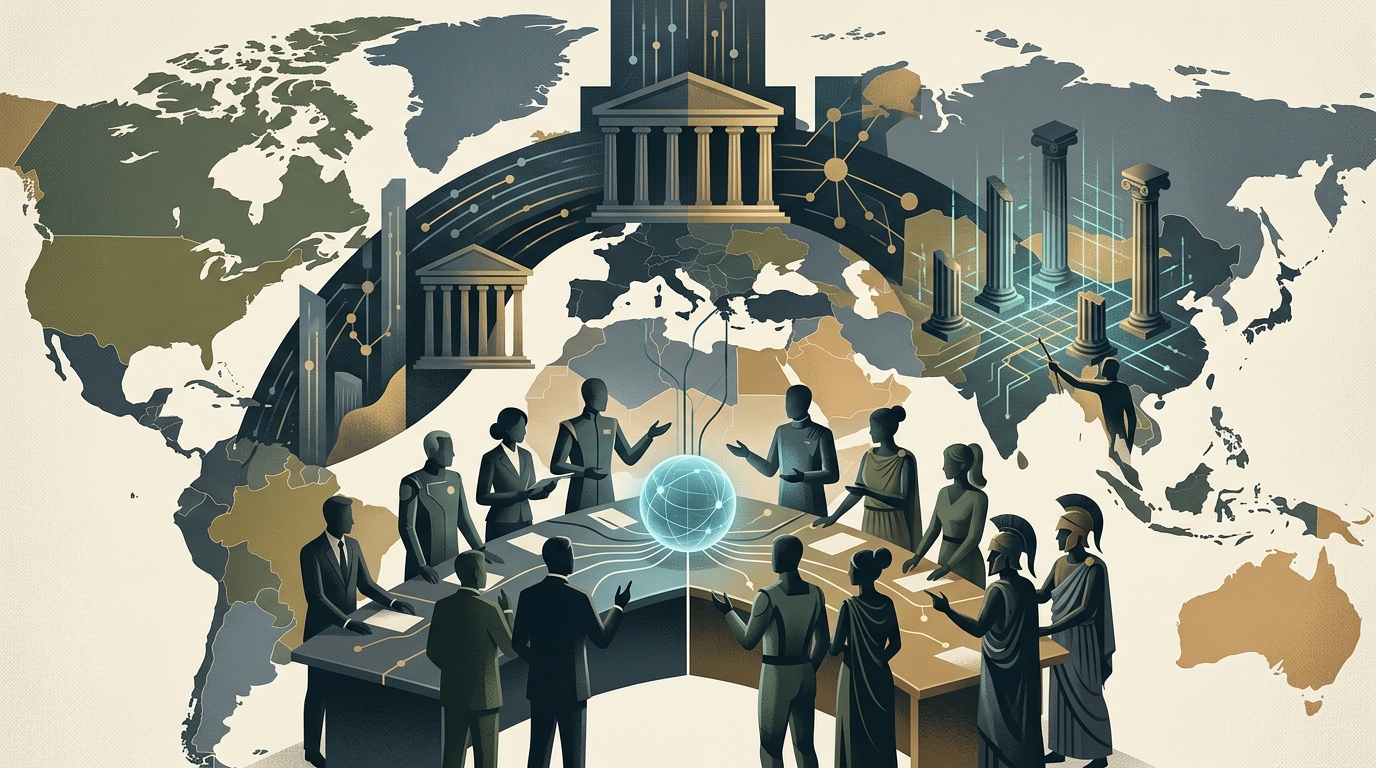
This move is as much about geopolitical leverage as it is about safety. By blocking the release of Claude 4, the Trump administration is sending a clear message to Beijing: The United States intends to maintain a monopoly on frontier intelligence. However, there is a counter-argument gaining traction among experts. Many warn that over-regulation and “locking down” American AI will inadvertently give the lead to China, which continues to develop models like Baidu’s Ernie Bot without the constraints of Western democratic oversight or executive vetos.
- The Risk of Closed Silos: Mandatory secrecy may lead to less transparency regarding AI biases and systemic errors.
- The Creation of an AI “Iron Curtain”: The U.S. may be moving toward a closed ecosystem where only vetted entities access powerful compute.
- Allied Friction: EU regulators, operating under the AI Act, may find themselves at odds with the U.S. if these restrictions disrupt transatlantic digital trade.
In conclusion, the blocking of Anthropic’s latest model is a watershed moment. Artificial intelligence is no longer being treated as a mere productivity tool, but as the ultimate frontier of national sovereignty. The tension between the freedom of scientific inquiry and the imperatives of national defense will define the political agenda for the remainder of the decade, with the White House making it clear that it will not be a passive observer in the AI revolution.