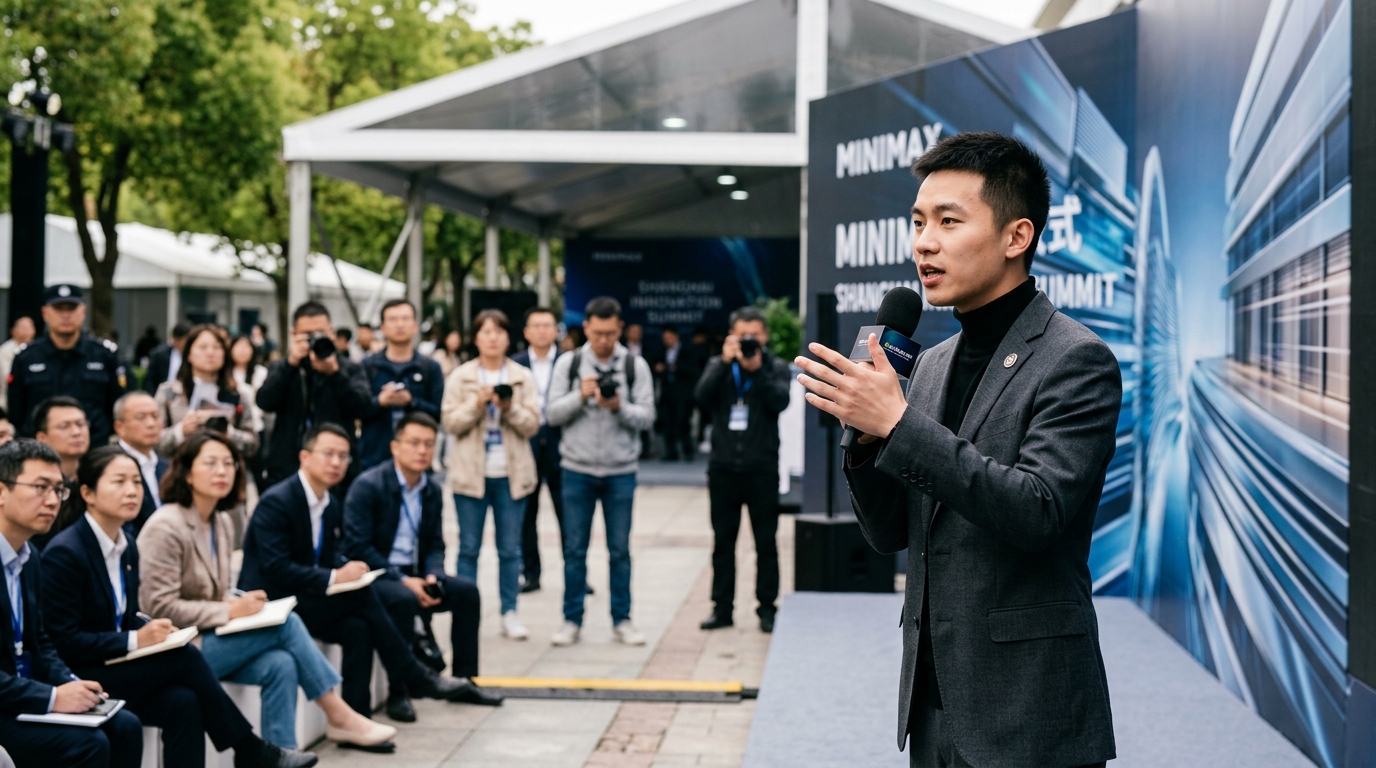
In the rapidly shifting landscape of Chinese technology, MiniMax, one of the most promising artificial intelligence startups—known as one of the country's "AI Tigers"—is reportedly recalibrating its strategy for entering the public markets. Its decision to bring its "listing story" back to Shanghai is more than just a corporate pivot; it is a reflection of broader geopolitical tensions and the growing allure of China's domestic capital markets for cutting-edge tech firms.
The Rise of MiniMax and the 'Tiger' Model
Founded in 2021 by Yan Junjie, a former vice president at SenseTime, MiniMax quickly established itself as a key contender in the Large Language Model (LLM) race. Alongside Zhipu AI, Moonshot AI, and Baichuan, MiniMax belongs to an elite group of startups that have attracted billions of dollars in funding from giants like Alibaba, Tencent, and HongShan (formerly Sequoia China). The company differentiated itself early on by focusing not just on infrastructure but on consumer applications, with Talkie—an AI social chatbot—achieving significant success internationally.
However, the path to profitability and investor exits remains complex. While many of these companies initially considered listings on the Hong Kong Stock Exchange or even in New York, the climate has changed dramatically. Strict U.S. export controls on AI chips and Beijing's emphasis on data security have made foreign markets less attractive and increasingly risky.
Why Shanghai? The Strategic Importance of the STAR Market
The pivot toward Shanghai, specifically the STAR Market (Science and Technology Innovation Board), is a strategic choice aligned with China's national priorities. The Chinese government is keen to see its domestic AI champions raise capital from local sources, bolstering the country's financial self-reliance. For MiniMax, Shanghai offers a familiar environment, as the city has transformed into an AI hub, providing generous subsidies and access to computing power through state-backed data centers.
- Political Support: The Shanghai local government has committed to making the city a global AI innovation center by 2025.
- Data Security: Staying within Chinese jurisdiction simplifies compliance with strict cybersecurity laws.
- Valuation Premiums: While Western markets offer more liquidity, the STAR Market often allows for higher valuation multiples for companies deemed critical to national strategy.
Challenges in a Polarized Environment
Despite the optimism, the return to Shanghai is not without hurdles. MiniMax faces stiff competition from China's "Big Tech" incumbents, such as Baidu and Alibaba, which already possess vast resources and cloud infrastructure. Furthermore, the lack of access to Nvidia's most advanced chips forces the company to invest heavily in adapting its models to domestic hardware, a move that weighs on balance sheets.
"AI in China is no longer just a question of code, but a question of supply chain and political alignment," market analysts observe.
MiniMax must prove that its "story" is built on more than just technological prowess, but also on sustainability. The STAR Market has become more selective in recent years, requiring companies to demonstrate clear paths to profitability rather than just user growth. MiniMax's ability to convert the success of Talkie into stable revenue will be decisive for whether its Shanghai listing becomes a triumph.
Conclusion: The Future of Chinese AI
MiniMax's move signals a new phase of maturity for the Chinese AI ecosystem. After the initial hype and the "race of a hundred models," the market is entering a period of consolidation. The companies that survive will be those that can successfully navigate between technological demands and geopolitical realities. Shanghai, as the new stage for this battle, will test MiniMax's resilience and innovation, while offering a vision of what an independent, domestic tech superpower might look like.