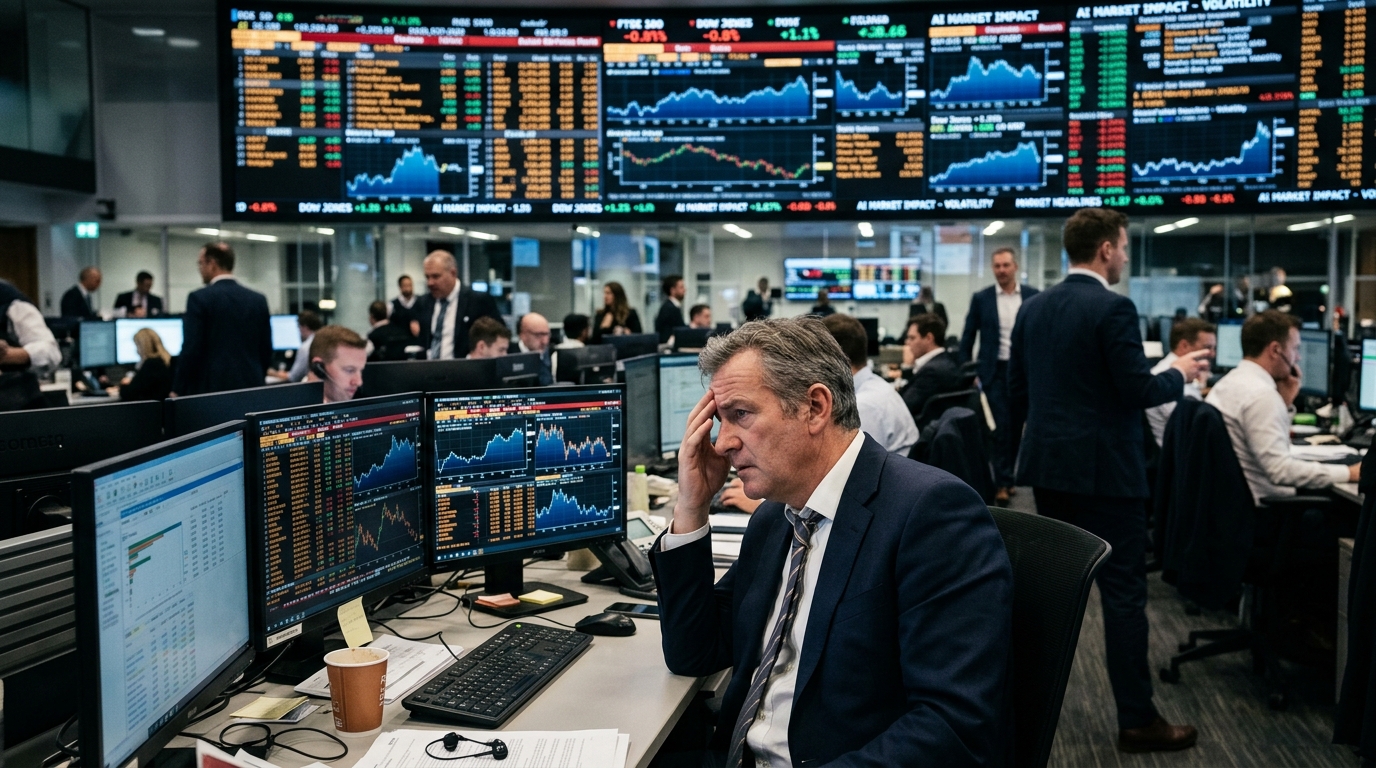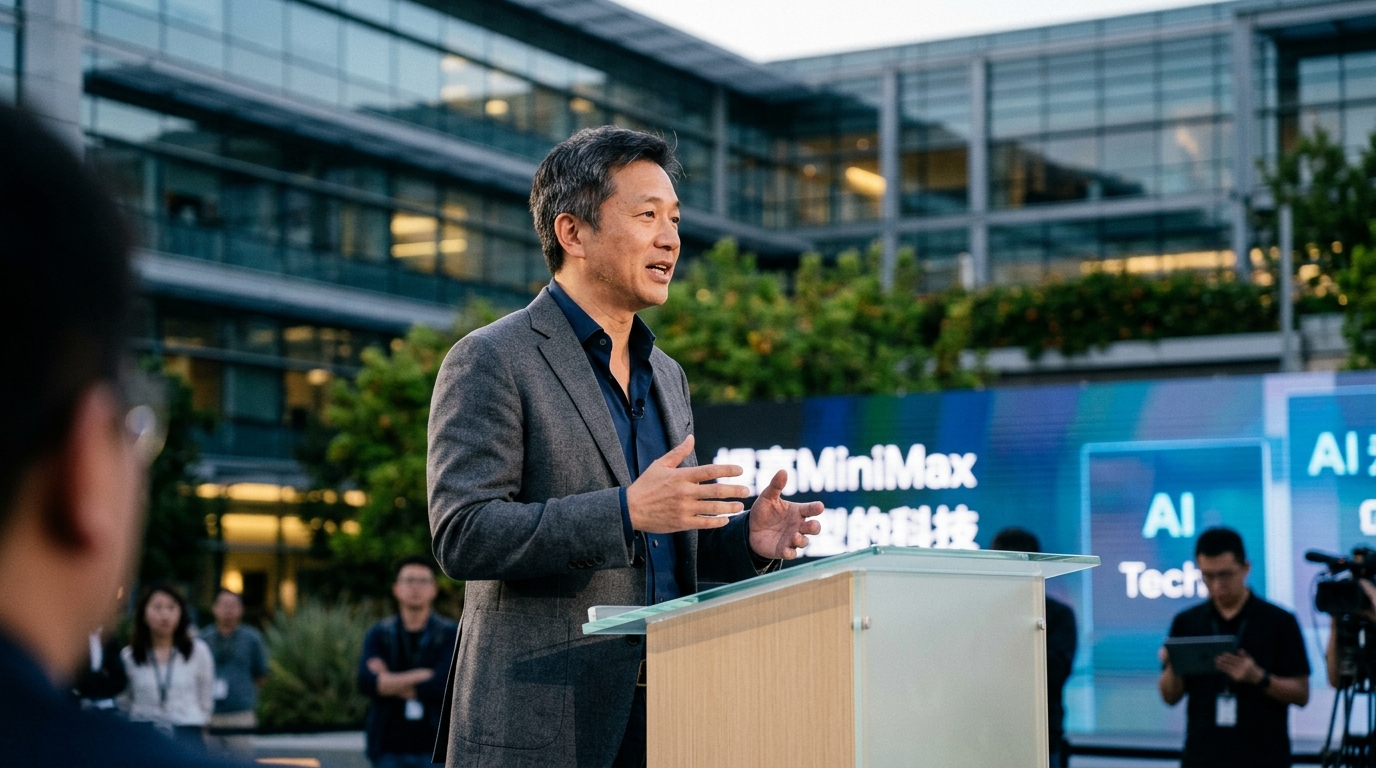
In the fluid and intensely competitive landscape of Chinese artificial intelligence, MiniMax is emerging as the player that could redefine the relationship between capital markets and technological innovation. According to recent reports highlighted by China Daily, the company—one of China’s four "AI Tigers" alongside Zhipu AI, Moonshot AI, and 01.AI—is actively preparing for an Initial Public Offering (IPO) on the Chinese A-share markets. This move is more than just a business decision; it is a geopolitical statement in an era where access to American capital and technology is becoming increasingly fraught.
The Strategic Pivot to Domestic Markets
MiniMax’s decision to pursue a listing in Shanghai or Shenzhen, rather than the traditional path of NASDAQ or the New York Stock Exchange, reflects a broader trend in the Chinese tech scene. For decades, Chinese startups sought the prestige and deep liquidity of US markets. However, escalating tensions between Washington and Beijing, coupled with strict export controls on critical components like Nvidia’s GPUs, have forced companies to seek security within their own borders.
An A-share listing offers MiniMax access to what Beijing calls "patient capital"—state-backed investment funds and domestic institutional investors who are willing to support strategic technologies over the long term, without the immediate pressure for profitability often imposed by Wall Street. MiniMax, with a valuation already exceeding $2.5 billion, requires massive capital to continue training its "Abab" series of large language models (LLMs), which aim to directly compete with OpenAI’s GPT-4.
Technological Edge and the Abab Model
What sets MiniMax apart from its peers is its focus on multimodality and user experience. Its latest model, Abab 6.5, has demonstrated impressive performance in natural language understanding, coding, and emotional intelligence. The company does not limit itself to providing APIs for enterprises; it has successfully penetrated the consumer market with applications like Talkie (internationally) and Glow (in China), which allow users to interact with AI-driven virtual characters.
- Architectural Innovation: MiniMax utilizes a hybrid approach that optimizes computational power, allowing its models to run more efficiently on less powerful hardware—a necessity given the current chip restrictions.
- Commercial Success: Talkie has gone viral in several Western markets, proving that Chinese AI can have global appeal despite cultural and political barriers.
- Investor Ecosystem: Backed by giants like Alibaba and Tencent, MiniMax possesses the necessary ecosystem to scale rapidly and integrate its AI into existing digital infrastructure.
Challenges and the Future of AI in China
Despite the optimism, the road to the stock market is not without hurdles. The Chinese A-share market is known for its rigorous regulatory oversight. MiniMax will need to prove not only its technological prowess but also its compliance with Beijing’s strict content and data security regulations. Furthermore, competition from established giants like Baidu and Huawei, which possess significantly larger resources, remains a constant threat.
"The success of MiniMax’s IPO will serve as a litmus test for whether China can fund its AI revolution on its own terms, without relying on the global financial system," market analysts suggest.
In an environment where AI is considered the engine of the fourth industrial revolution, MiniMax must balance innovation with national strategy. If it succeeds in its listing, it will pave the way for other Chinese unicorns, creating an alternative technological economy that operates alongside—and often in opposition to—Silicon Valley. The story of MiniMax is not just about shares and profits; it is about the quest for dominance over the algorithms that will define the future of humanity.