In 1984, a freshman at the University of Texas at Austin named Michael Dell began assembling PCs in his dorm room, driven by a vision that personal computers would change the world. Fast forward to April 2026, and that same individual—now a global tech titan—is making a monumental return to his alma mater. With a staggering $750 million gift from the Michael & Susan Dell Foundation, the billionaire is placing a massive bet on Artificial Intelligence, ensuring that the institution where he started his journey remains at the epicenter of the next industrial revolution.
The Billion-Dollar Milestone
This latest contribution is not just another headline in the world of philanthropy; it is a historic pivot. With this $750 million infusion, the Dells’ cumulative giving to UT Austin has officially surpassed the $1 billion mark. This places the university in a rare echelon of public institutions capable of competing with the financial might of private Ivy League giants like Stanford or MIT. However, the focus here is laser-targeted: the advancement of AI research, infrastructure, and talent acquisition.
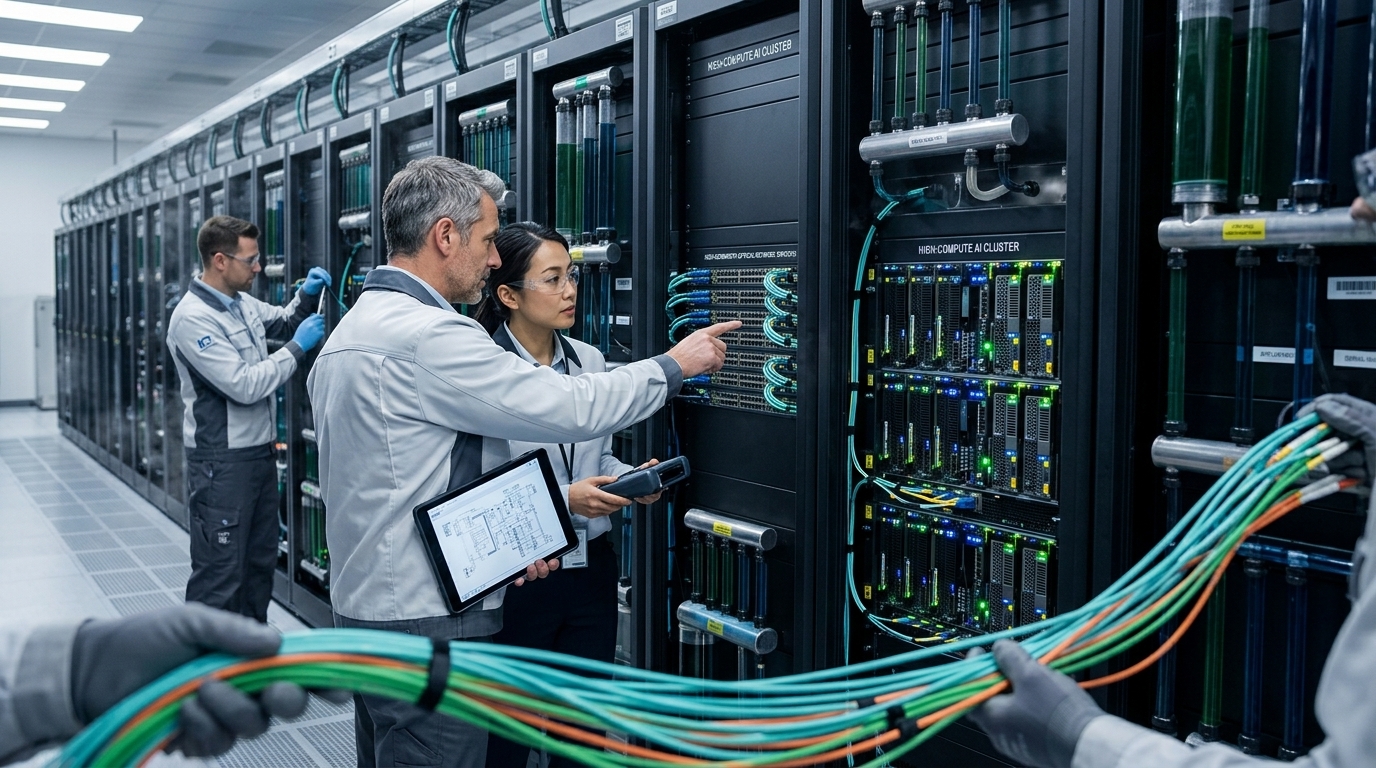
The gift is structured to address the three pillars of modern AI dominance: compute power, human capital, and ethical frameworks. As the AI arms race intensifies, the cost of entry for meaningful research has skyrocketed. By funding high-performance computing clusters and state-of-the-art laboratories, Dell is providing the tools necessary for UT Austin to conduct experiments that were previously only possible within the walls of Big Tech corporations.
Silicon Hills: The New Frontier
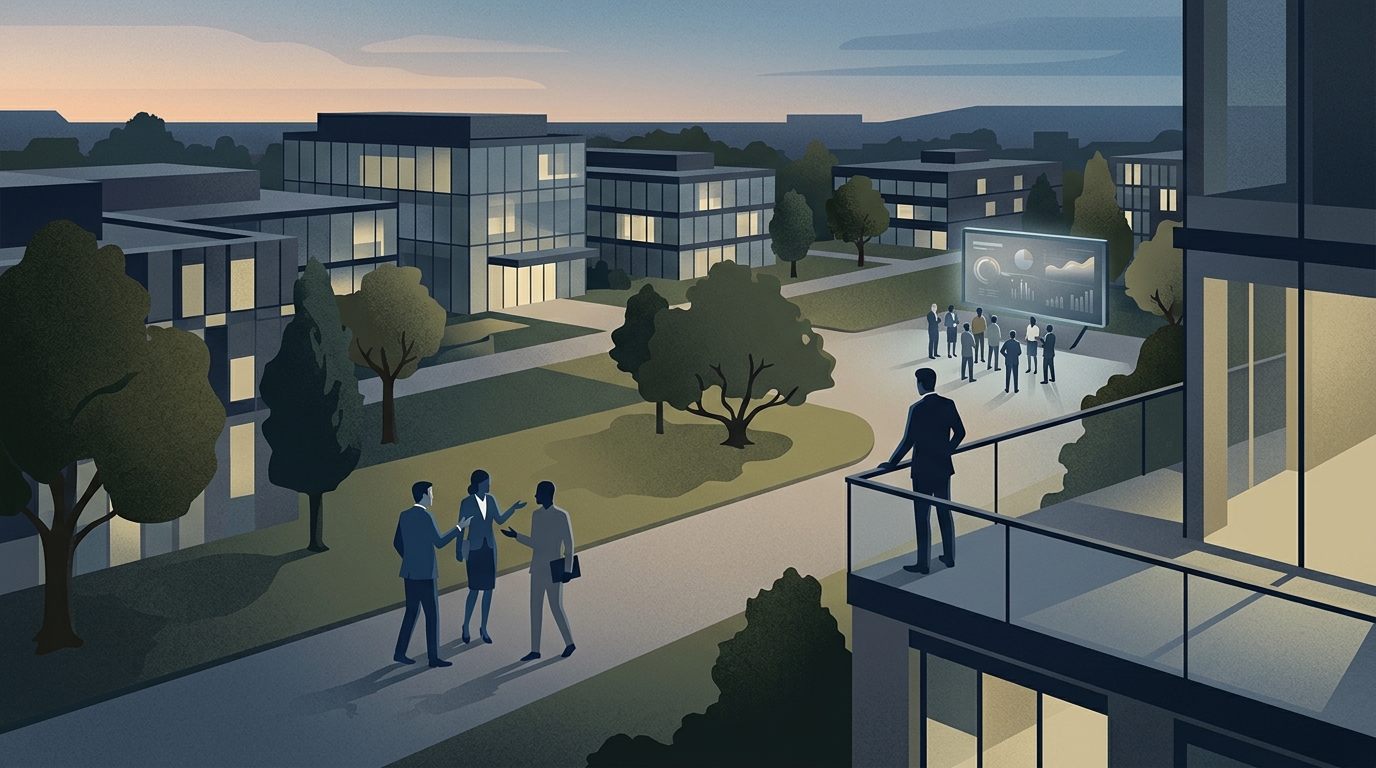
Austin, Texas, has long been nicknamed the "Silicon Hills," serving as a magnet for tech giants fleeing the high costs of California. Companies like Tesla, Oracle, and Dell Technologies itself have anchored the city’s economy. This gift reinforces that ecosystem by creating a direct pipeline between academic innovation and industrial application. For Dell Technologies, which has pivoted its business model toward AI servers and enterprise solutions, having a world-class AI research hub in its backyard is a masterstroke of strategic alignment.
- Expanding the university's AI hardware capabilities to support massive model training.
- Establishing endowed chairs to attract the world's most cited AI researchers.
- Funding scholarships for underrepresented students to diversify the AI workforce.
The implications for the local economy are profound. The influx of capital is expected to spur a wave of AI-focused startups, further solidifying Austin’s reputation as a rival to Silicon Valley. As Michael Dell noted during the announcement, the goal is to make Texas the "global capital of responsible AI."
Philanthropy or Strategic Investment?
While the gift is framed as philanthropy, seasoned market analysts see it as a sophisticated form of ecosystem building. In the AI era, the most valuable currency is not just capital, but data and talent. By funding the university, Dell is essentially subsidizing the R&D and training costs that will eventually benefit the entire tech sector, including his own company. This symbiotic relationship between private wealth and public education is becoming the blueprint for 21st-century innovation.
"Artificial Intelligence is the most transformative technology of our lifetime. We want to ensure that Texas remains at the heart of this revolution," Michael Dell stated, emphasizing the competitive necessity of the gift.
Addressing the AI Ethics Gap
A significant portion of the $750 million is earmarked for the study of AI ethics and societal impact. This is a critical addition at a time when the public remains skeptical of the rapid deployment of autonomous systems. Researchers will investigate how to mitigate algorithmic bias, protect privacy, and manage the transition of the labor market as automation takes hold. By embedding ethics into the core of the research mandate, the Dell gift seeks to create a model for "human-centric" AI development.
Conclusion: A Legacy Beyond Hardware
Michael Dell’s journey from a dorm room to a $750 million benefactor is a testament to the enduring power of the American entrepreneurial spirit. But more importantly, it highlights a shift in how the world’s wealthiest individuals are choosing to leave their mark. It is no longer enough to build a company; one must build the infrastructure for the future. As UT Austin prepares to deploy these funds, the world watches to see if this massive investment will indeed trigger the next great leap in human intelligence. For Michael Dell, the boy who once took apart computers to see how they worked, the mission remains the same: understanding the future by building it.