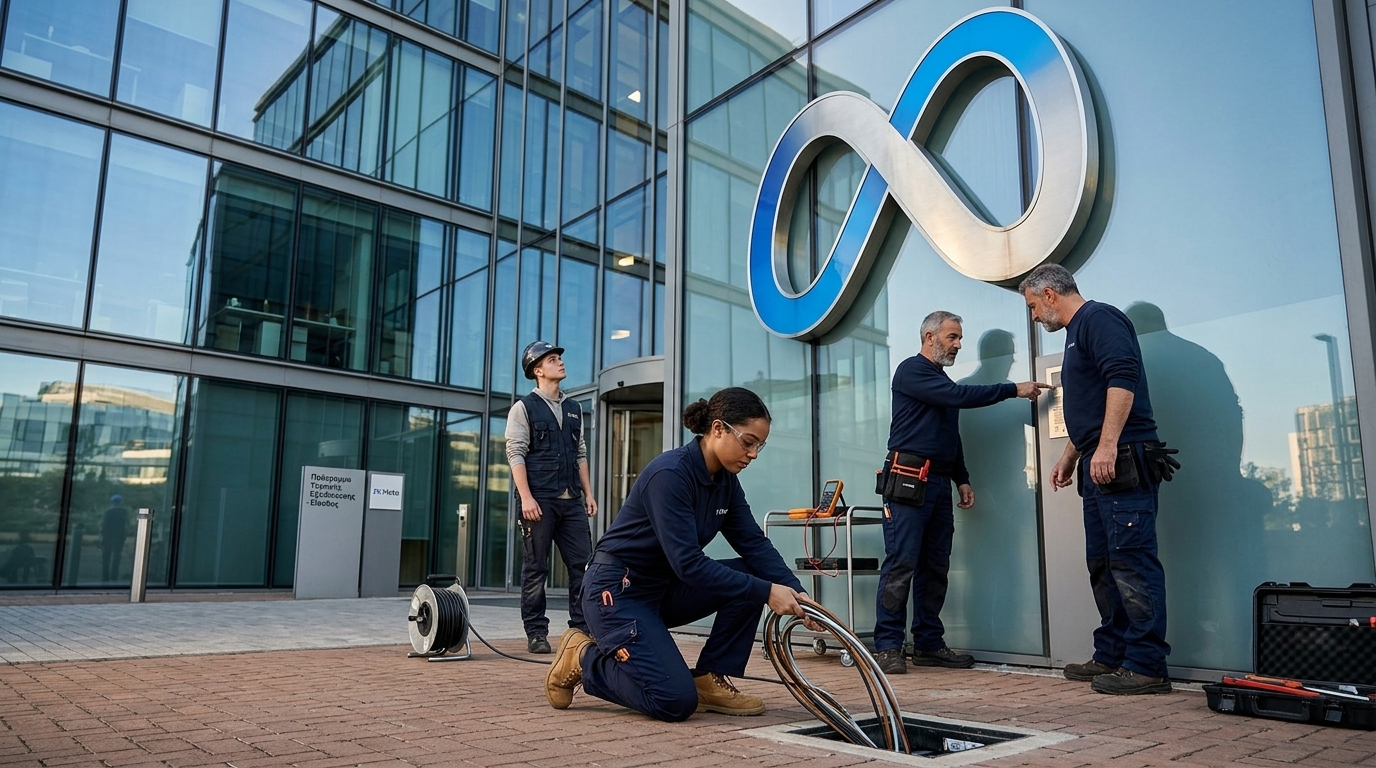
For decades, Silicon Valley cultivated a specific myth: that the future belongs exclusively to those who can write code behind a screen. However, as the race for Artificial Intelligence (AI) dominance accelerates, reality is proving to be much more manual. Meta, Mark Zuckerberg’s tech giant, recently announced a $115 million investment to create the “America’s Workforce Academy” (AWA). This program is not aimed at PhDs in Computer Science, but at electricians, plumbers, HVAC technicians, and welders.
This move signals a profound structural shift in the tech industry. AI is not just algorithms running in the “cloud”; it consists of massive physical facilities, known as data centers, which require immense amounts of power, sophisticated cooling systems, and thousands of miles of cabling. Without the right workforce to build and maintain these “cathedrals of data,” AI progress risks hitting a wall.
The Strategic Necessity Behind the Investment
Meta is not making this move out of pure philanthropy. The shortage of skilled tradespeople in the United States has become one of the greatest risks to the expansion of tech giants. According to market analysts, the demand for technicians who can work in high-tech environments has skyrocketed, while the supply remains stagnant due to years of devaluing vocational trades in favor of university degrees.
The America’s Workforce Academy program aims to train 10,000 workers over the next five years. Meta is partnering with local community colleges and trade schools in regions where it constructs its data centers, such as Ohio, Georgia, and Iowa. The training focuses on skills critical for AI infrastructure operations, such as installing liquid cooling systems—essential for new Nvidia processors that generate extreme heat—and managing high-voltage electrical grids.
Reclaiming the Value of Skilled Trades
For years, the American (and European) educational systems promoted the “degree or bust” dogma. Meta’s initiative challenges this narrative, offering an alternative path to prosperity. The jobs created through the AWA do not require a four-year university degree but offer salaries that often exceed those of liberal arts graduates.
As Meta executives point out, a skilled electrician in an AI data center can earn a six-figure annual salary while enjoying the security of a stable career in an industry that is not threatened by automation—on the contrary, it fuels it. This shift toward “blue-collar” roles within the tech sector is creating a new class of employees, often referred to as “new-collar workers.”
The Energy and Construction Bottleneck
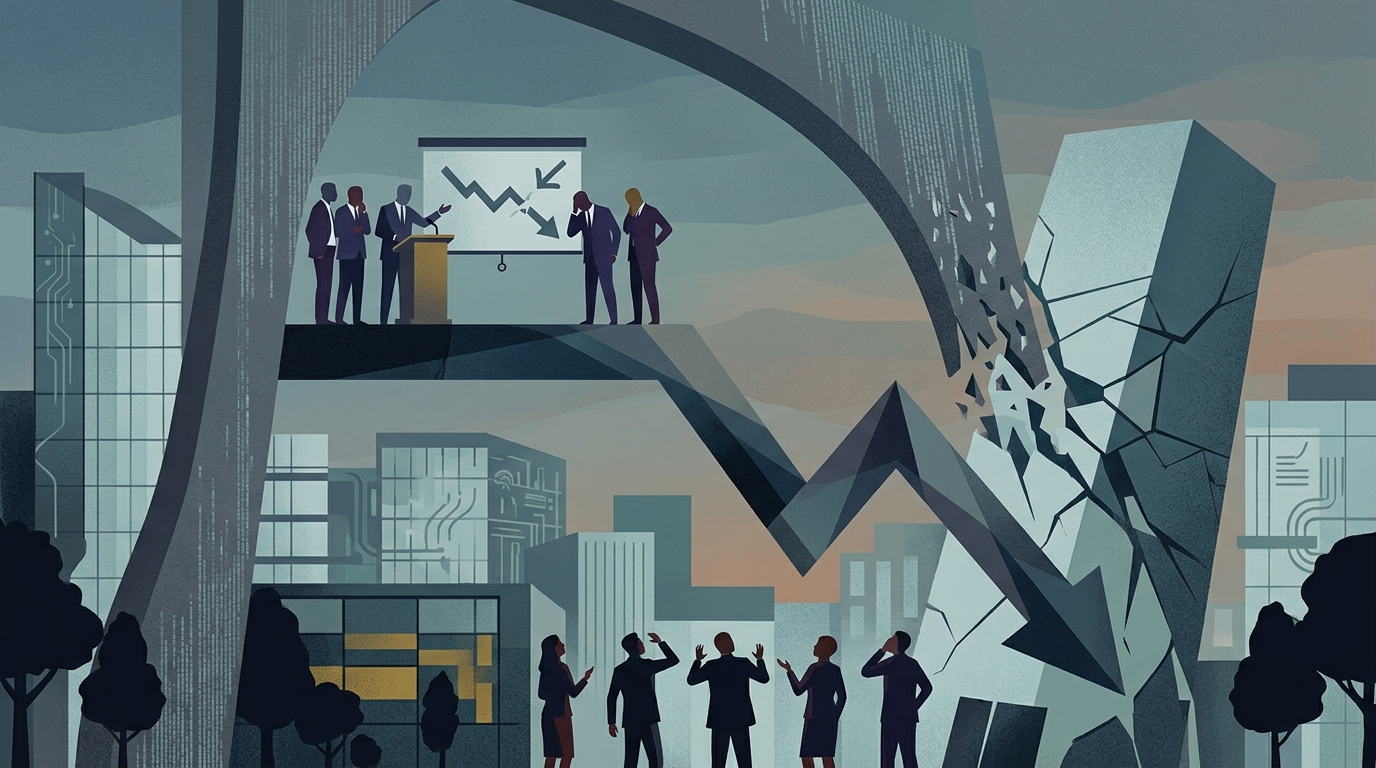
The challenge for Meta, Google, and Microsoft is no longer just finding coding talent. The real obstacle is the construction timeline of infrastructure. A modern AI data center costs billions and takes years to complete. Any delay due to a lack of electricians or plumbers translates into billions in lost future revenue from AI services.
- Power: Data centers now require power levels comparable to small cities.
- Cooling: The transition from air cooling to liquid cooling requires specialized plumbers.
- Scaling: Meta plans to invest over $35-40 billion in infrastructure alone in 2024-2025.
In conclusion, Meta’s move to invest in trade education is an act of self-preservation. In the age of Artificial Intelligence, power lies not only in bits and bytes but in steel, copper, and the people who know how to master them. Paradoxically, the future of high technology will be built by hand.